
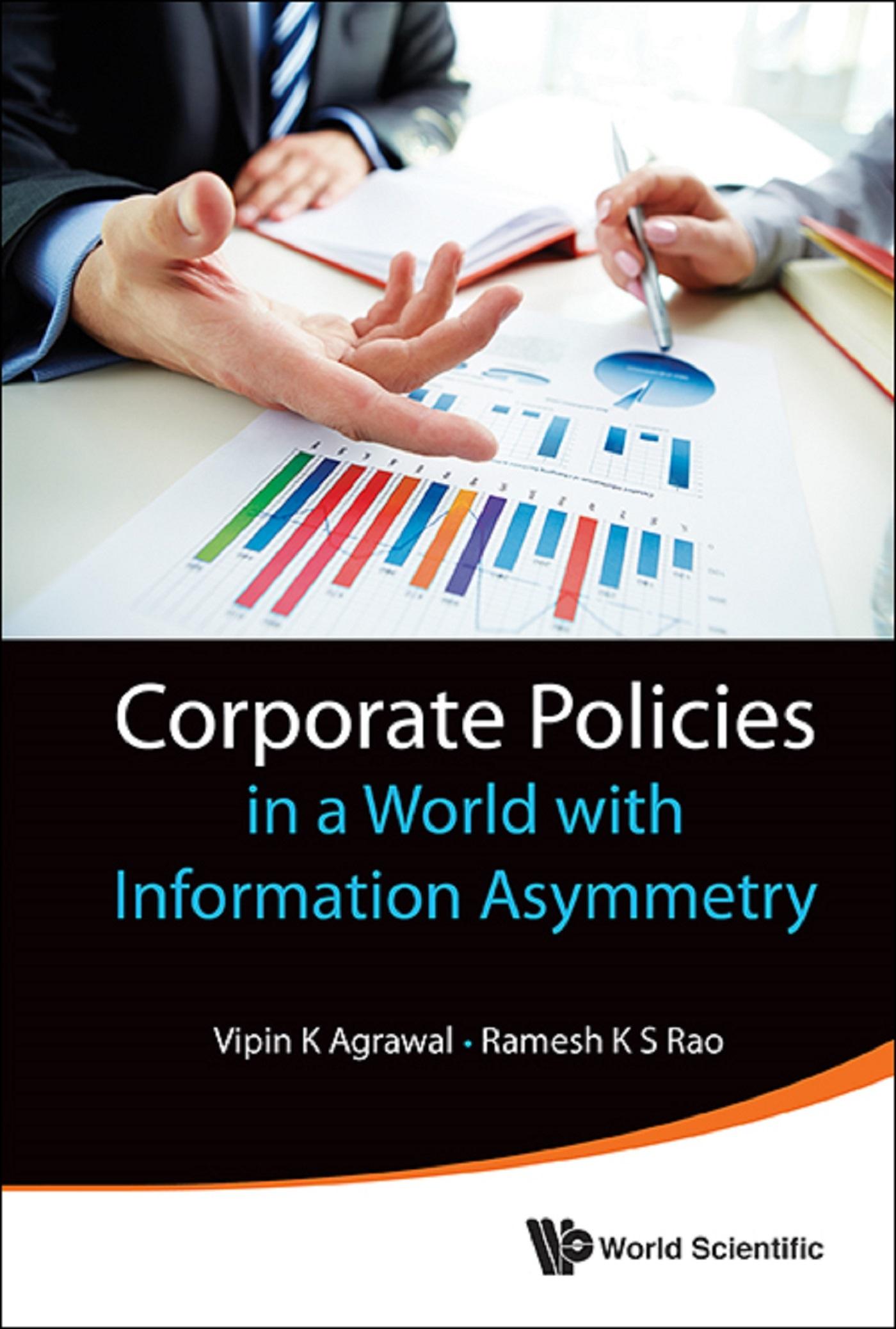
A corporate manager typically oversees several ongoing projects and has the opportunity to invest in new projects that add wealth to the stockholders. Such new projects include expanding the corporation's existing business, entering into a new line of business, acquiring another business, and so on. If the firm does not have sufficient internal capital (cash) to finance the initial investment, the manager must enter into a transaction with outside investors to raise additional funds.In this situation, the manager of a public corporation faces two key decisions:Modern corporate finance theory, originating with the seminal work of Merton Miller and Franco Modigliani, has demonstrated that these decisions depend on the information that the manager and investors have about the firm's future cash flows.In this book, the authors examine these decisions by assuming that the manager has private information about the firm's future cash flows. They provide a unified framework that yields new theoretical insights and explains many empirical anomalies documented in the literature.
Betal nemt med kort, Klarna, Apple Pay eller Google Pay. Ikke tilfreds? Du har altid 14 dages fortrydelsesret. Læs mere i vores vilkår. Har du spørgsmål, så send os en mail på hello@memmo.org.
Memmo gør det nemmere at studere – uanset hvor du er i verden. Hos os samler du dine kursusbøger og smarte studieværktøjer ét sted: resuméer, quizzer, podcasts og flashcards. Og så er der Ted, din studieven, der svarer på alt, du undrer dig over. Over 50 000 studerende studerer allerede her – bygget til at hjælpe dig med at lære hurtigere og stresse mindre.
Du kan måske også lide
Køb bogen0