
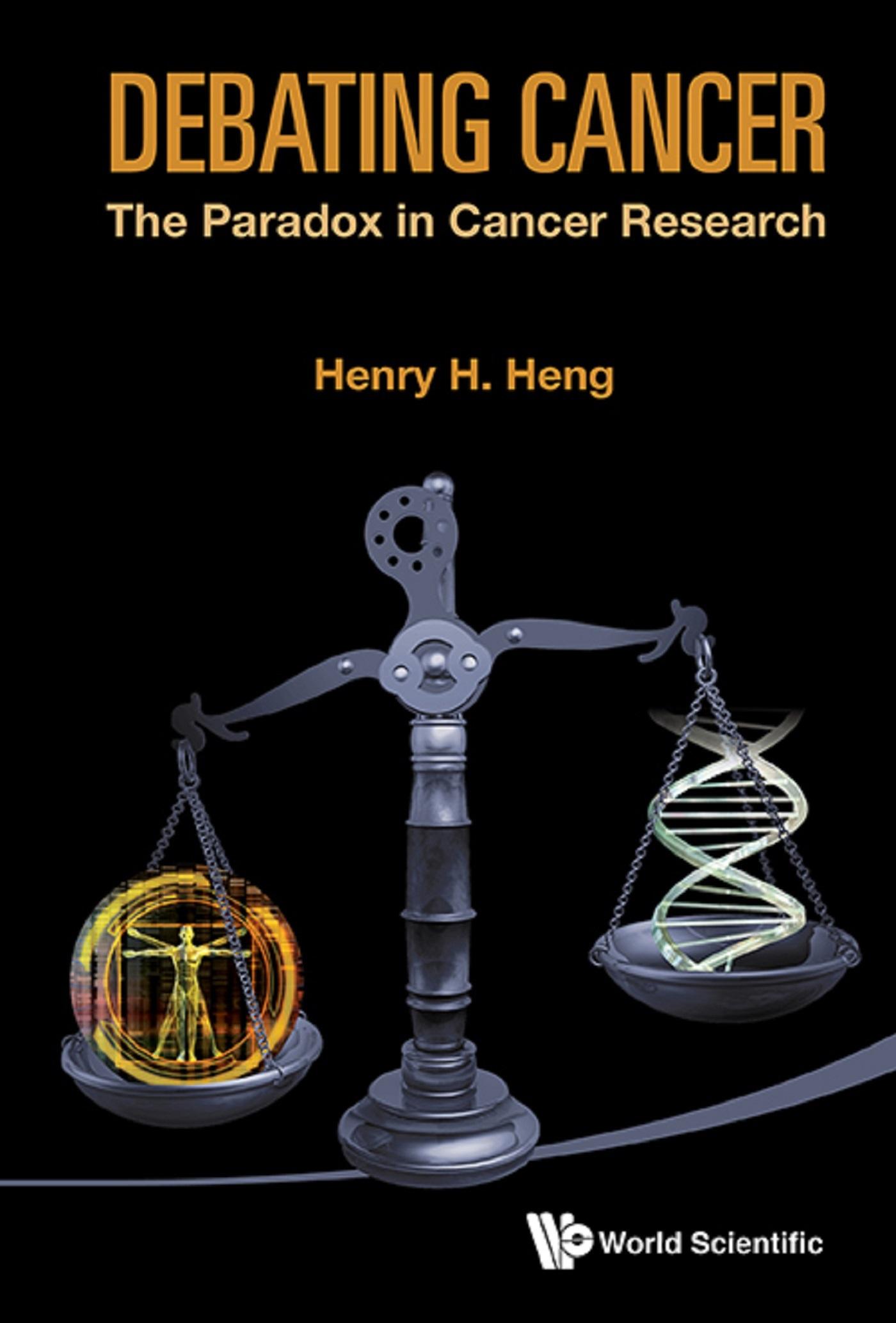
Cancer research is at a crossroads. Traditionally, cancer has been thought of as a disease of gene mutation, where the stepwise accumulation of cancer gene mutations is the key, and the identification of common gene mutations has been considered to be essential for diagnosis and treatment. Despite extensive research efforts and accumulated knowledge on cancer genes and pathways, the clinical benefits of this traditional approach have been limited. Recently, cancer genome sequencing has revealed an extensive amount of genetic heterogeneity where the long-expected common mutation drivers have been difficult, if not impossible, to identify. These realities ultimately challenge the conceptual framework of current cancer biology.This book introduces a new concept of genome theory of cancer evolution, in an attempt to unify the field. Many important and representative, but often confusing, questions and paradoxes are critically analyzed. By comparing gene- and genome-based theories, the hidden flaws of many popular viewpoints are addressed. This discussion is intended to initiate a much-needed critical re-evaluation of current cancer research.
Betal nemt med kort, Klarna, Apple Pay eller Google Pay. Ikke tilfreds? Du har altid 14 dages fortrydelsesret. Læs mere i vores vilkår. Har du spørgsmål, så send os en mail på hello@memmo.org.
Memmo gør det nemmere at studere – uanset hvor du er i verden. Hos os samler du dine kursusbøger og smarte studieværktøjer ét sted: resuméer, quizzer, podcasts og flashcards. Og så er der Ted, din studieven, der svarer på alt, du undrer dig over. Over 50 000 studerende studerer allerede her – bygget til at hjælpe dig med at lære hurtigere og stresse mindre.
Du kan måske også lide
Køb bogen0