
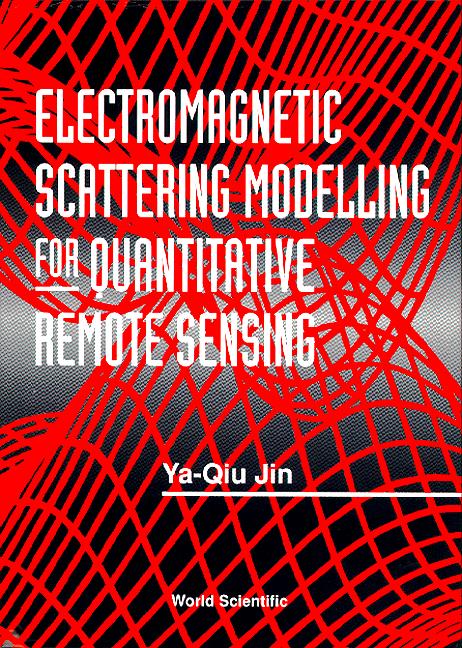
Advances during the last two decades in radio electronics, space science and computers have turned remote sensing technology into one of the most effective tools for global exploration and environmental monitoring. This book is a comprehensive account of the theoretical models and techniques required for a full interpretation of the rich images and data that remote sensing can provide. Starting with the basics of vector radiative transfer and scattering theory, the book goes on to develop quantitative methods involving most comprehensive models of discrete scatters, continuous random media and randomly rough surfaces. References are constantly made to real-world parameters and models involved in the probing of different types of geographical terrain. The book is intended as an introductory graduate text and a research reference. It assumes a reasonable foundation in electromagnetism and common techniques in mathematical physics.
Betal nemt med kort, Klarna, Apple Pay eller Google Pay. Ikke tilfreds? Du har altid 14 dages fortrydelsesret. Læs mere i vores vilkår. Har du spørgsmål, så send os en mail på hello@memmo.org.
Memmo gør det nemmere at studere – uanset hvor du er i verden. Hos os samler du dine kursusbøger og smarte studieværktøjer ét sted: resuméer, quizzer, podcasts og flashcards. Og så er der Ted, din studieven, der svarer på alt, du undrer dig over. Over 50 000 studerende studerer allerede her – bygget til at hjælpe dig med at lære hurtigere og stresse mindre.
Du kan måske også lide
Køb bogen0