
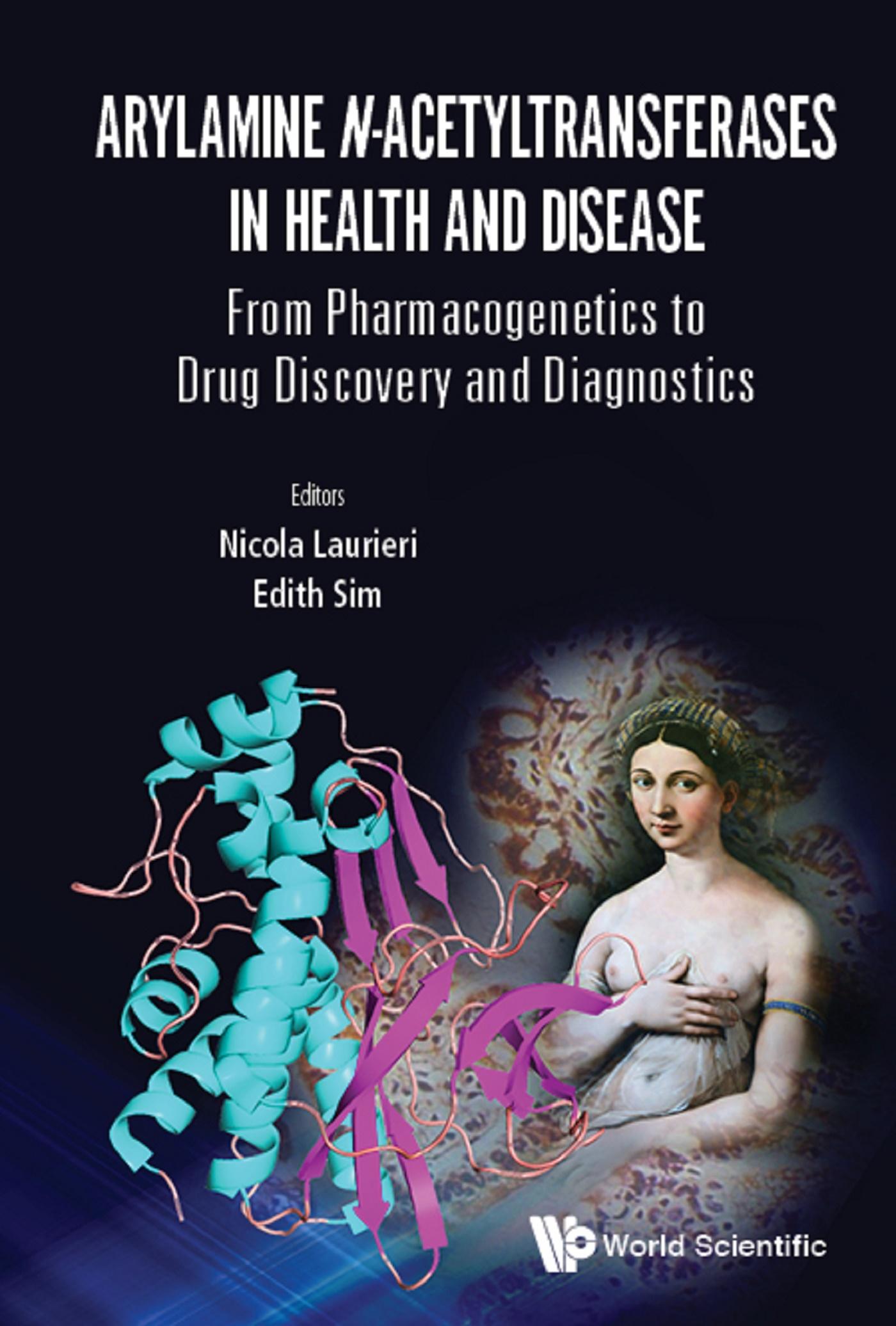
This book is a fascinating overview of one of the first pharmacogenetic traits to be identified as responsible for genetic variation in response to drugs — the understanding of the arylamine N-acetyltransferases (NATs) is linked to many important therapeutic areas, particularly tuberculosis and also cancer. NATs have been important in the metabolism of established anti-tubercular drugs and also in carcinogenesis and susceptibility to bladder cancer. The reach of these enzymes spans pharmacology and therapeutics as well as toxicology and pharmacogenetics. The NAT genes are encoded in a highly polymorphic region of the human genome which has been explored for fine mapping in molecular anthropological studies.The book takes a wide ranging approach covering all aspects of the arylamine N-acetyltransferases from genetics to the chemistry and structural biology of the enzymes in the organisms in which they are found, from humans to bacteria and fungi where they appear to have distinct roles. The coverage is by experts in the field from across the globe.
Betal nemt med kort, Klarna, Apple Pay eller Google Pay. Ikke tilfreds? Du har altid 14 dages fortrydelsesret. Læs mere i vores vilkår. Har du spørgsmål, så send os en mail på hello@memmo.org.
Memmo gør det nemmere at studere – uanset hvor du er i verden. Hos os samler du dine kursusbøger og smarte studieværktøjer ét sted: resuméer, quizzer, podcasts og flashcards. Og så er der Ted, din studieven, der svarer på alt, du undrer dig over. Over 50 000 studerende studerer allerede her – bygget til at hjælpe dig med at lære hurtigere og stresse mindre.
Du kan måske også lide
Køb bogen0