
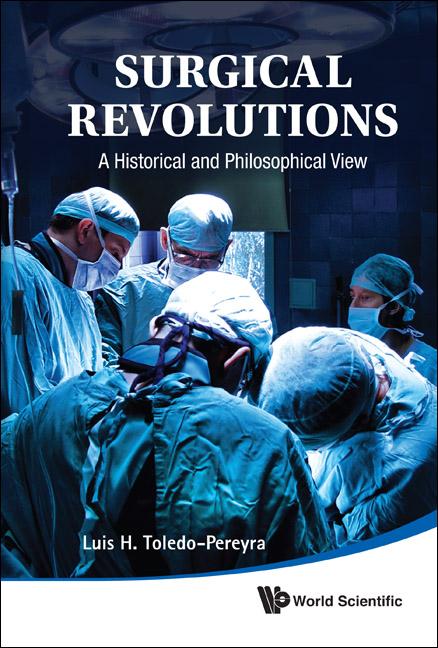
Many surgical revolutions distinguish the history and evolution of surgery. Some are small, others more dominant, but each revolution improves the art and science of surgery. Surgical revolutionaries are indispensable in the conception and completion of any surgical revolution, initiating scientific and technological advances that propel surgical practice forward. Surgical revolutionaries can come in the guises of Lister (antisepsis), Halsted (surgical residency and safe surgery), Cushing (safe brain surgery), Wangensteen (gastrointestinal physiological surgery), Blalock (relief of cyanotic heart disease), Lillehei (open heart surgery), and many others. With the hindsight of history, we can recognize patterns of progress, evaluate means of advancing new ideas, and solidify details of innovative behavior that could lead to new surgical revolutions.
This volume examines the following vital questions in detail: What is a surgical revolution and how do we recognize one? Are surgical revolutionaries different? Is there a way to educate new surgical revolutionaries? Can history provide enduring examples of surgical revolutions? Are there different kinds of surgical revolutions? What characterizes a surgical revolution in the context of science and technology? What surgical revolutions are on the horizon?
Betal nemt med kort, Klarna, Apple Pay eller Google Pay. Ikke tilfreds? Du har altid 14 dages fortrydelsesret. Læs mere i vores vilkår. Har du spørgsmål, så send os en mail på hello@memmo.org.
Memmo gør det nemmere at studere – uanset hvor du er i verden. Hos os samler du dine kursusbøger og smarte studieværktøjer ét sted: resuméer, quizzer, podcasts og flashcards. Og så er der Ted, din studieven, der svarer på alt, du undrer dig over. Over 50 000 studerende studerer allerede her – bygget til at hjælpe dig med at lære hurtigere og stresse mindre.