
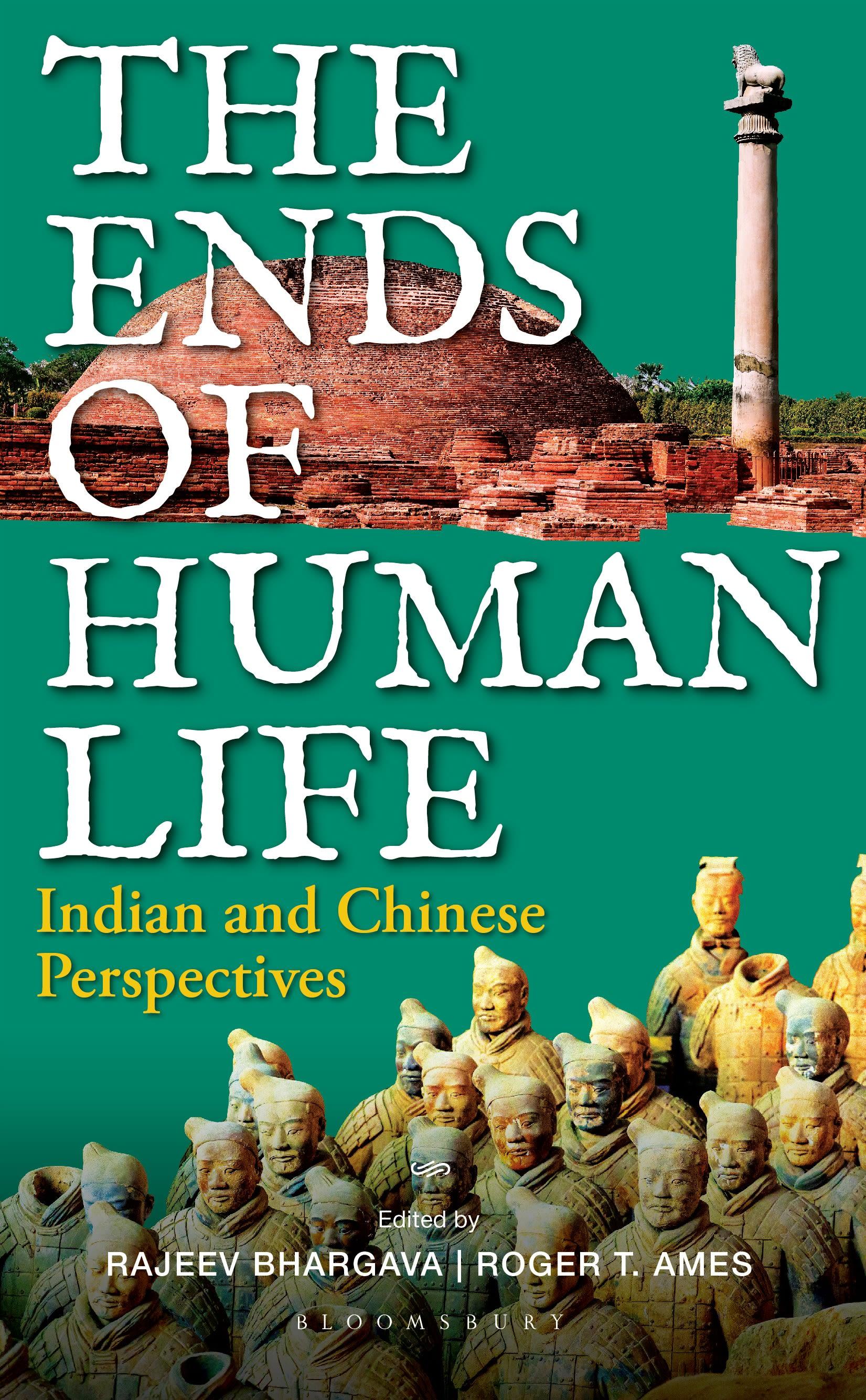
This volume brings into dialogue key texts from early and late Vedic, Early Buddhist, Confucian, and Bhakti traditions, each addressing fundamental questions concerning the aims and conditions of human life. Through a close engagement with these diverse yet philosophically rich traditions, the essays in this collection examine six interrelated questions central to the human quest for meaning, fulfillment, and ethical orientation.
The first concerns the ends of human life: from material prosperity, aesthetic delight, and social recognition to moral rectitude, spiritual devotion, and contemplative knowledge. The volume probes how these ends are articulated, ordered, and interpreted within and across traditions. Are these ends discrete or interdependent? Can they coexist harmoniously, or are they marked by tension and hierarchy-perhaps culminating in a single, highest good?
A third area of inquiry relates to the practices and modes of life required to realize these ends-what virtues must be cultivated, and which vices eschewed? Fourth, the volume interrogates whether these ends are universally accessible or specific to particular social groups or stages of life. Fifth, it explores the implications of dependence, freedom, and social structure in the pursuit of these goods. Lastly, the volume considers the institutional and political arrangements best suited to enable or constrain the realization of diverse life ideals.
By drawing connections between classical sources and contemporary concerns, this interdisciplinary collection offers both a historically grounded and philosophically nuanced contribution to ongoing reflections on the good life.
The first concerns the ends of human life: from material prosperity, aesthetic delight, and social recognition to moral rectitude, spiritual devotion, and contemplative knowledge. The volume probes how these ends are articulated, ordered, and interpreted within and across traditions. Are these ends discrete or interdependent? Can they coexist harmoniously, or are they marked by tension and hierarchy-perhaps culminating in a single, highest good?
A third area of inquiry relates to the practices and modes of life required to realize these ends-what virtues must be cultivated, and which vices eschewed? Fourth, the volume interrogates whether these ends are universally accessible or specific to particular social groups or stages of life. Fifth, it explores the implications of dependence, freedom, and social structure in the pursuit of these goods. Lastly, the volume considers the institutional and political arrangements best suited to enable or constrain the realization of diverse life ideals.
By drawing connections between classical sources and contemporary concerns, this interdisciplinary collection offers both a historically grounded and philosophically nuanced contribution to ongoing reflections on the good life.
Betal nemt med kort, Klarna, Apple Pay eller Google Pay. Ikke tilfreds? Du har altid 14 dages fortrydelsesret. Læs mere i vores vilkår. Har du spørgsmål, så send os en mail på hello@memmo.org.
Memmo gør det nemmere at studere – uanset hvor du er i verden. Hos os samler du dine kursusbøger og smarte studieværktøjer ét sted: resuméer, quizzer, podcasts og flashcards. Og så er der Ted, din studieven, der svarer på alt, du undrer dig over. Over 50 000 studerende studerer allerede her – bygget til at hjælpe dig med at lære hurtigere og stresse mindre.