
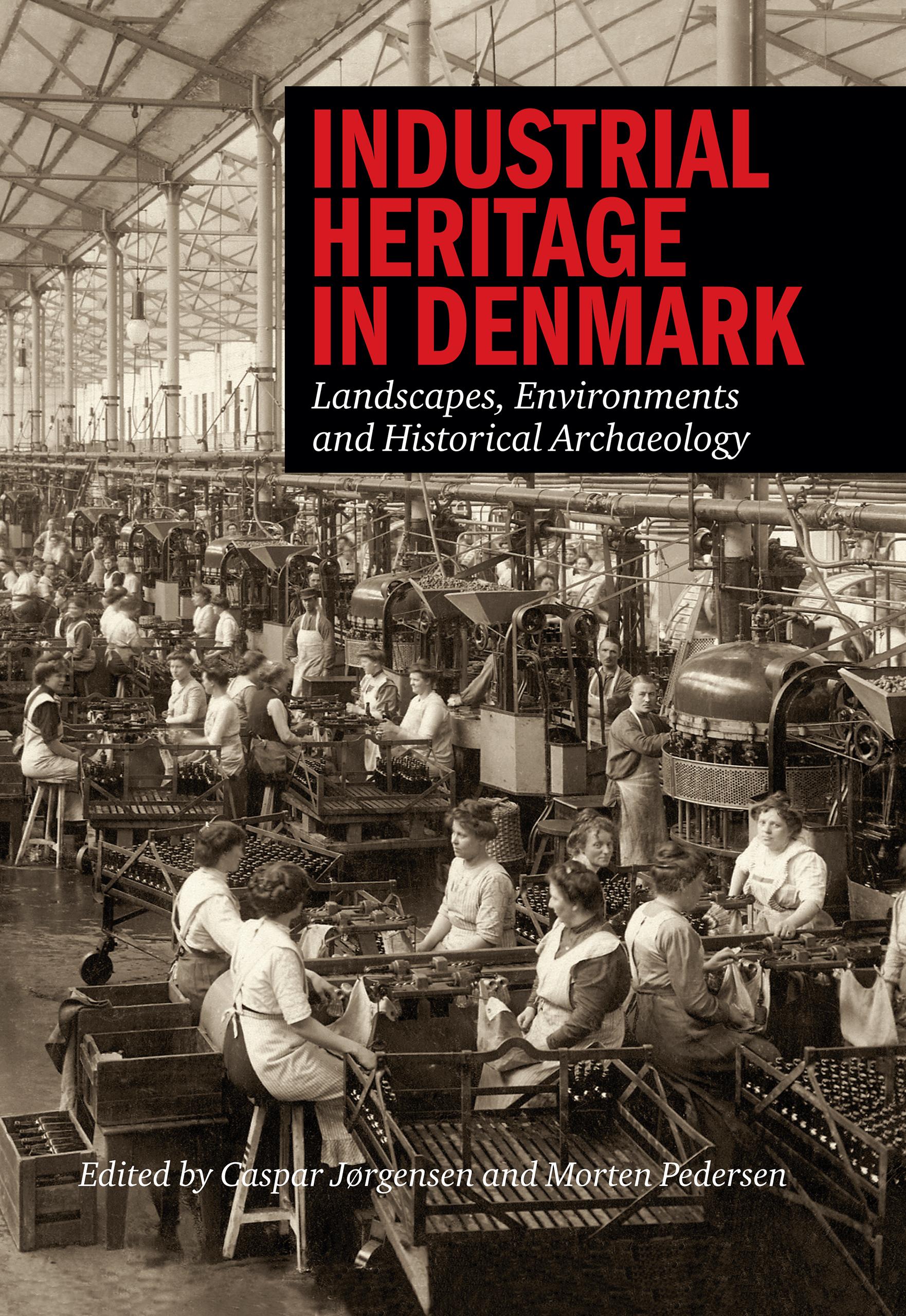
In presenting 25 industrial sites of national significance in the context of changing techno-economic paradigms, this book considers the development of Danish industrial landscapes and built-up environments in the period 1840-1970.
Three case studies of ports, sugar mills, and cement plants are also presented. The book concludes with two chapters that discuss perceptions and strategies for the conversion of industrial sites, and an overview is given covering the preservation of industrial heritage in Denmark, historically.
"Although Denmark is often perceived as an agricultural country, industry is a very important sector in the Danish economy, employing a large number of people and having considerable influence on Danish society and culture in general. The appreciation of industrial history, as well as the tangible and intangible remains of industry, is an important heritage."
Anne Mette Rahbæk
General Director of the Danish Agency of Culture
Betal nemt med kort, Klarna, Apple Pay eller Google Pay. Ikke tilfreds? Du har altid 14 dages fortrydelsesret. Læs mere i vores vilkår. Har du spørgsmål, så send os en mail på hello@memmo.org.
Memmo gør det nemmere at studere – uanset hvor du er i verden. Hos os samler du dine kursusbøger og smarte studieværktøjer ét sted: resuméer, quizzer, podcasts og flashcards. Og så er der Ted, din studieven, der svarer på alt, du undrer dig over. Over 50 000 studerende studerer allerede her – bygget til at hjælpe dig med at lære hurtigere og stresse mindre.
Du kan måske også lide
Køb bogen0