
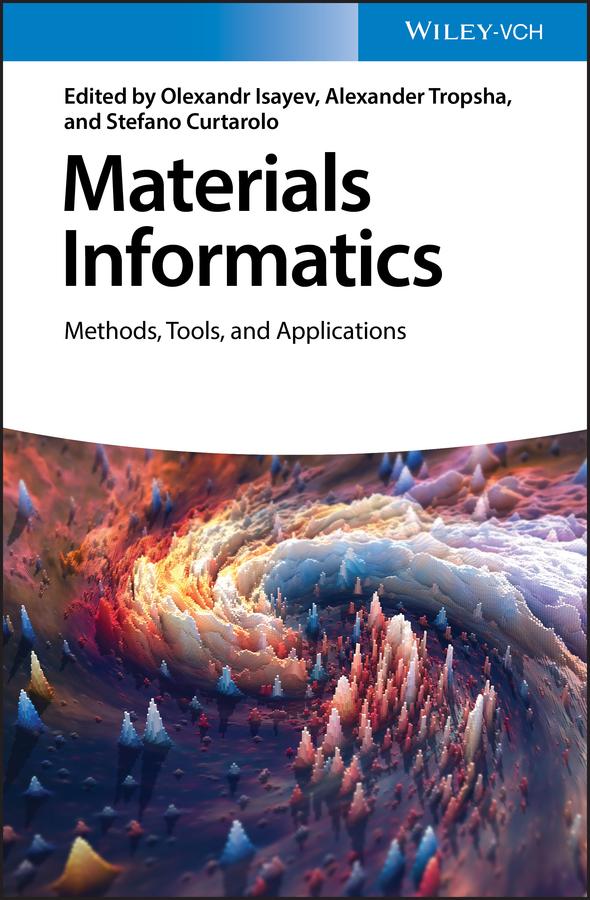
Provides everything readers need to know for applying the power of informatics to materials science
There is a tremendous interest in materials informatics and application of data mining to materials science. This book is a one-stop guide to the latest advances in these emerging fields. Bridging the gap between materials science and informatics, it introduces readers to up-to-date data mining and machine learning methods. It also provides an overview of state-of-the-art software and tools. Case studies illustrate the power of materials informatics in guiding the experimental discovery of new materials.
Materials Informatics: Methods, Tools and Applications is presented in two parts?Methodological Aspects of Materials Informatics and Practical Aspects and Applications. The first part focuses on developments in software, databases, and high-throughput computational activities. Chapter topics include open quantum materials databases; the ICSD database; open crystallography databases; and more. The second addresses the latest developments in data mining and machine learning for materials science. Its chapters cover genetic algorithms and crystal structure prediction; MQSPR modeling in materials informatics; prediction of materials properties; amongst others.
-Bridges the gap between materials science and informatics
-Covers all the known methodologies and applications of materials informatics
-Presents case studies that illustrate the power of materials informatics in guiding the experimental quest for new materials
-Examines the state-of-the-art software and tools being used today
Materials Informatics: Methods, Tools and Applications is a must-have resource for materials scientists, chemists, and engineers interested in the methods of materials informatics.
There is a tremendous interest in materials informatics and application of data mining to materials science. This book is a one-stop guide to the latest advances in these emerging fields. Bridging the gap between materials science and informatics, it introduces readers to up-to-date data mining and machine learning methods. It also provides an overview of state-of-the-art software and tools. Case studies illustrate the power of materials informatics in guiding the experimental discovery of new materials.
Materials Informatics: Methods, Tools and Applications is presented in two parts?Methodological Aspects of Materials Informatics and Practical Aspects and Applications. The first part focuses on developments in software, databases, and high-throughput computational activities. Chapter topics include open quantum materials databases; the ICSD database; open crystallography databases; and more. The second addresses the latest developments in data mining and machine learning for materials science. Its chapters cover genetic algorithms and crystal structure prediction; MQSPR modeling in materials informatics; prediction of materials properties; amongst others.
-Bridges the gap between materials science and informatics
-Covers all the known methodologies and applications of materials informatics
-Presents case studies that illustrate the power of materials informatics in guiding the experimental quest for new materials
-Examines the state-of-the-art software and tools being used today
Materials Informatics: Methods, Tools and Applications is a must-have resource for materials scientists, chemists, and engineers interested in the methods of materials informatics.
Betal nemt med kort, Klarna, Apple Pay eller Google Pay. Ikke tilfreds? Du har altid 14 dages fortrydelsesret. Læs mere i vores vilkår. Har du spørgsmål, så send os en mail på hello@memmo.org.
Memmo gør det nemmere at studere – uanset hvor du er i verden. Hos os samler du dine kursusbøger og smarte studieværktøjer ét sted: resuméer, quizzer, podcasts og flashcards. Og så er der Ted, din studieven, der svarer på alt, du undrer dig over. Over 50 000 studerende studerer allerede her – bygget til at hjælpe dig med at lære hurtigere og stresse mindre.