
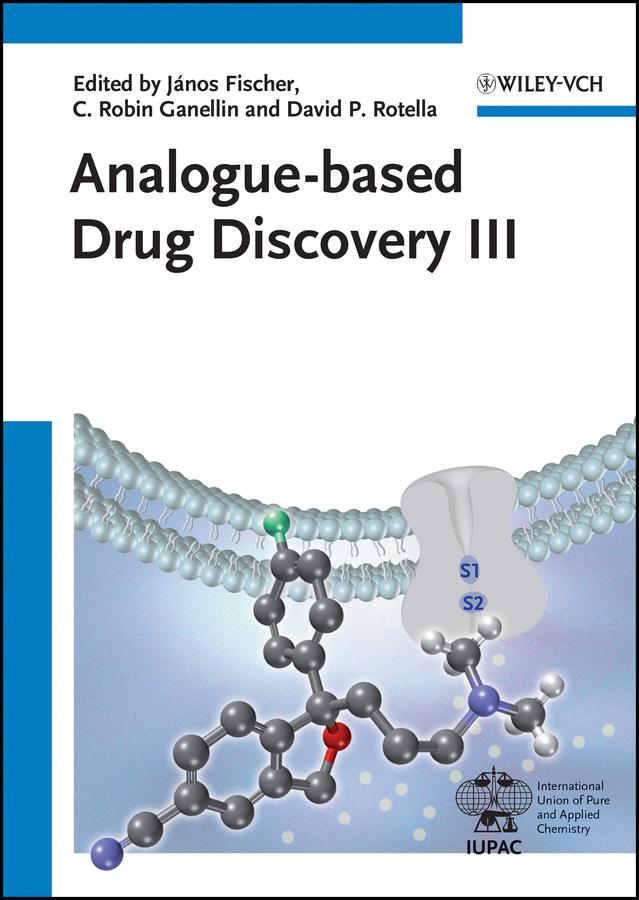
Most drugs are analogue drugs. There are no general rules how a new drug can be discovered, nevertheless, there are some observations which help to find a new drug, and also an individual story of a drug discovery can initiate and help new discoveries. Volume III is a continuation of the successful book series with new examples of established and recently introduced drugs.
The major part of the book is written by key inventors either as a case study or a study of an analogue class. With its wide range across a variety of therapeutic fields and chemical classes, this is of interest to virtually every researcher in drug discovery and pharmaceutical chemistry, and -- together with the previous volumes -- constitutes the first systematic approach to drug analogue development.
The major part of the book is written by key inventors either as a case study or a study of an analogue class. With its wide range across a variety of therapeutic fields and chemical classes, this is of interest to virtually every researcher in drug discovery and pharmaceutical chemistry, and -- together with the previous volumes -- constitutes the first systematic approach to drug analogue development.
Betal nemt med kort, Klarna, Apple Pay eller Google Pay. Ikke tilfreds? Du har altid 14 dages fortrydelsesret. Læs mere i vores vilkår. Har du spørgsmål, så send os en mail på hello@memmo.org.
Memmo gør det nemmere at studere – uanset hvor du er i verden. Hos os samler du dine kursusbøger og smarte studieværktøjer ét sted: resuméer, quizzer, podcasts og flashcards. Og så er der Ted, din studieven, der svarer på alt, du undrer dig over. Over 50 000 studerende studerer allerede her – bygget til at hjælpe dig med at lære hurtigere og stresse mindre.