
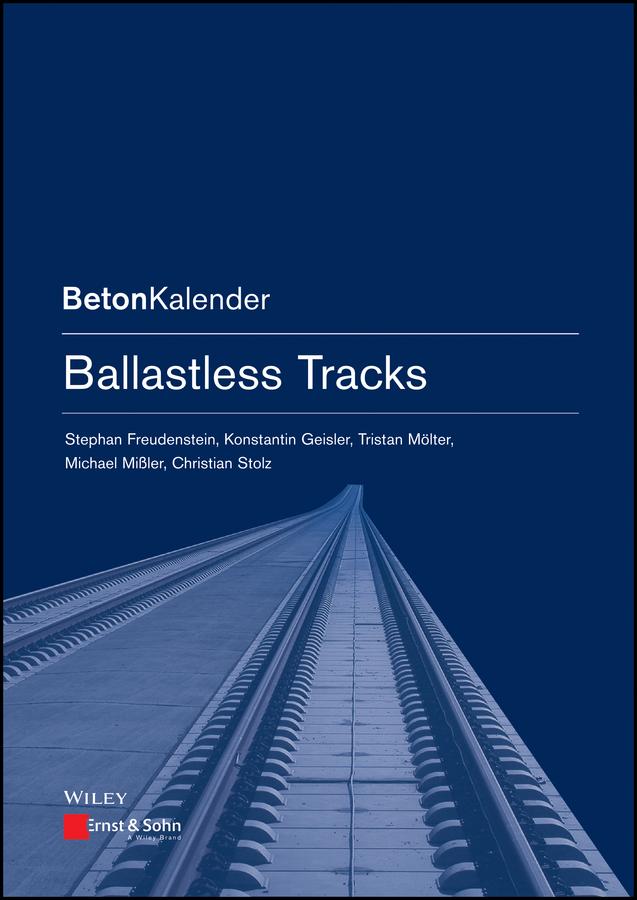
Due to increasing traffic flows the extension of transport infrastructure with rail roads and high speed lines is an ongoing process worldwide. Ballastless track systems with concrete slabs are used more and more.
Following the first trials in the 1970s and more than four decades of R&D work on ballastless track, the level of development is such that it can be confirmed that ballastless track is suitable for use as an alternative to ballasted track. This book makes a contribution to the state of the art of ballastless track by describing the basics for designing the ballastless track. Important advice is provided regarding the construction of ballastless track on earthworks and in tunnels. There is also a description of the technical history of the development of ballastless track on bridges and the ensuing findings for bridge design. The state of the art of ballastless track for switches, important information on details concerning drainage, transitions, accessibility for road vehicles and experience gleaned from maintenance round off the work.
Selected chapters from the German concrete yearbook are now being published in the new English "Beton-Kalender Series" for the benefit of an international audience.
Since it was founded in 1906, the Ernst & Sohn "Beton-Kalender" has been supporting developments in reinforced and prestressed concrete. The aim was to publish a yearbook to reflect progress in "ferro-concrete" structures until - as the book's first editor, Fritz von Emperger (1862-1942), expressed it - the "tempestuous development" in this form of construction came to an end. However, the "Beton-Kalender" quickly became the chosen work of reference for civil and structural engineers, and apart from the years 1945-1950 has been published annually ever since.
Following the first trials in the 1970s and more than four decades of R&D work on ballastless track, the level of development is such that it can be confirmed that ballastless track is suitable for use as an alternative to ballasted track. This book makes a contribution to the state of the art of ballastless track by describing the basics for designing the ballastless track. Important advice is provided regarding the construction of ballastless track on earthworks and in tunnels. There is also a description of the technical history of the development of ballastless track on bridges and the ensuing findings for bridge design. The state of the art of ballastless track for switches, important information on details concerning drainage, transitions, accessibility for road vehicles and experience gleaned from maintenance round off the work.
Selected chapters from the German concrete yearbook are now being published in the new English "Beton-Kalender Series" for the benefit of an international audience.
Since it was founded in 1906, the Ernst & Sohn "Beton-Kalender" has been supporting developments in reinforced and prestressed concrete. The aim was to publish a yearbook to reflect progress in "ferro-concrete" structures until - as the book's first editor, Fritz von Emperger (1862-1942), expressed it - the "tempestuous development" in this form of construction came to an end. However, the "Beton-Kalender" quickly became the chosen work of reference for civil and structural engineers, and apart from the years 1945-1950 has been published annually ever since.
Betal nemt med kort, Klarna, Apple Pay eller Google Pay. Ikke tilfreds? Du har altid 14 dages fortrydelsesret. Læs mere i vores vilkår. Har du spørgsmål, så send os en mail på hello@memmo.org.
Memmo gør det nemmere at studere – uanset hvor du er i verden. Hos os samler du dine kursusbøger og smarte studieværktøjer ét sted: resuméer, quizzer, podcasts og flashcards. Og så er der Ted, din studieven, der svarer på alt, du undrer dig over. Over 50 000 studerende studerer allerede her – bygget til at hjælpe dig med at lære hurtigere og stresse mindre.