
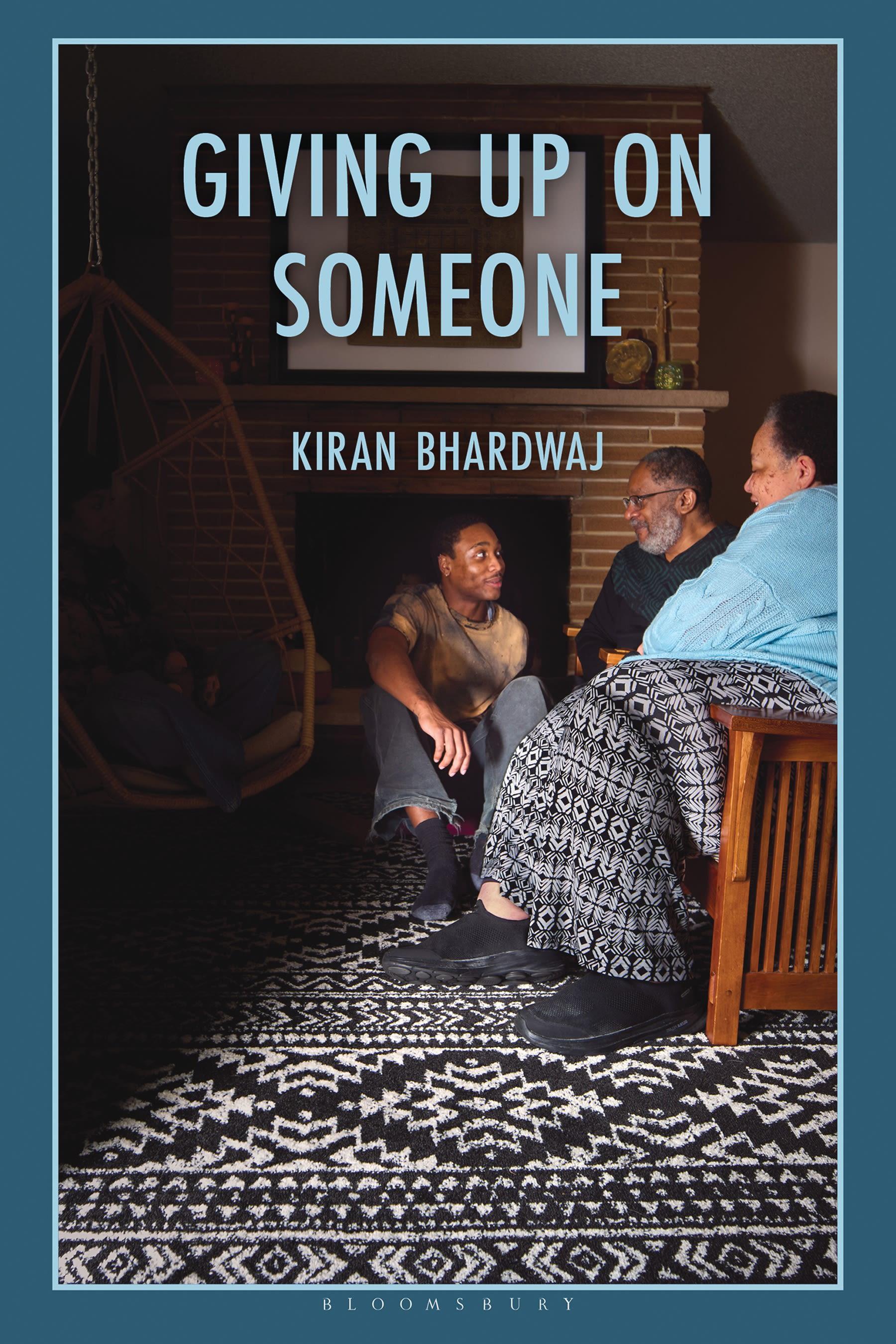
When is it morally permissible to give up on people who are badly behaved or annoying to ourselves or others?
We have all had frustrating encounters with such people, and many conclude that whether to preserve our relationships with them is a matter of personal discretion-justified solely by virtue of one's own preferences and choices. This book, by contrast, argues that giving up on people is instead better evaluated by whether that choice meets certain moral criteria.
Since those who have suffered grave harms straightforwardly meet such criteria, this book is not written about such cases. The focus for this book is the question as asked by those who experience milder, or milder-by-comparison, kinds of harm or discomfort in the face of wrongdoing, particularly: (a) those who are only indirectly harmed, (b) those who are primary victims of wrongdoing that is relatively minor: such as petty slights or annoying bad behaviors, and (c) those for whom the story of wronging or harm is more complex, as when multiple parties have mutually wronged or harmed each other. If these folks take the principles of due care this book offers seriously, we will be less likely to give up on others than we currently do.
After all, when we give up on someone they go "away" in a limited sense: perhaps outside our scope of attention, but they are still somewhere. We may not be able to protect those who are most vulnerable to a person's continued bad behavior-nor do right by the person themselves-when we give up on the person we dislike. This book offers arguments based on principles of moral solidarity and community repair for navigating our unpleasant interactions with others.
We have all had frustrating encounters with such people, and many conclude that whether to preserve our relationships with them is a matter of personal discretion-justified solely by virtue of one's own preferences and choices. This book, by contrast, argues that giving up on people is instead better evaluated by whether that choice meets certain moral criteria.
Since those who have suffered grave harms straightforwardly meet such criteria, this book is not written about such cases. The focus for this book is the question as asked by those who experience milder, or milder-by-comparison, kinds of harm or discomfort in the face of wrongdoing, particularly: (a) those who are only indirectly harmed, (b) those who are primary victims of wrongdoing that is relatively minor: such as petty slights or annoying bad behaviors, and (c) those for whom the story of wronging or harm is more complex, as when multiple parties have mutually wronged or harmed each other. If these folks take the principles of due care this book offers seriously, we will be less likely to give up on others than we currently do.
After all, when we give up on someone they go "away" in a limited sense: perhaps outside our scope of attention, but they are still somewhere. We may not be able to protect those who are most vulnerable to a person's continued bad behavior-nor do right by the person themselves-when we give up on the person we dislike. This book offers arguments based on principles of moral solidarity and community repair for navigating our unpleasant interactions with others.
Betal nemt med kort, Klarna, Apple Pay eller Google Pay. Ikke tilfreds? Du har altid 14 dages fortrydelsesret. Læs mere i vores vilkår. Har du spørgsmål, så send os en mail på hello@memmo.org.
Memmo gør det nemmere at studere – uanset hvor du er i verden. Hos os samler du dine kursusbøger og smarte studieværktøjer ét sted: resuméer, quizzer, podcasts og flashcards. Og så er der Ted, din studieven, der svarer på alt, du undrer dig over. Over 50 000 studerende studerer allerede her – bygget til at hjælpe dig med at lære hurtigere og stresse mindre.