
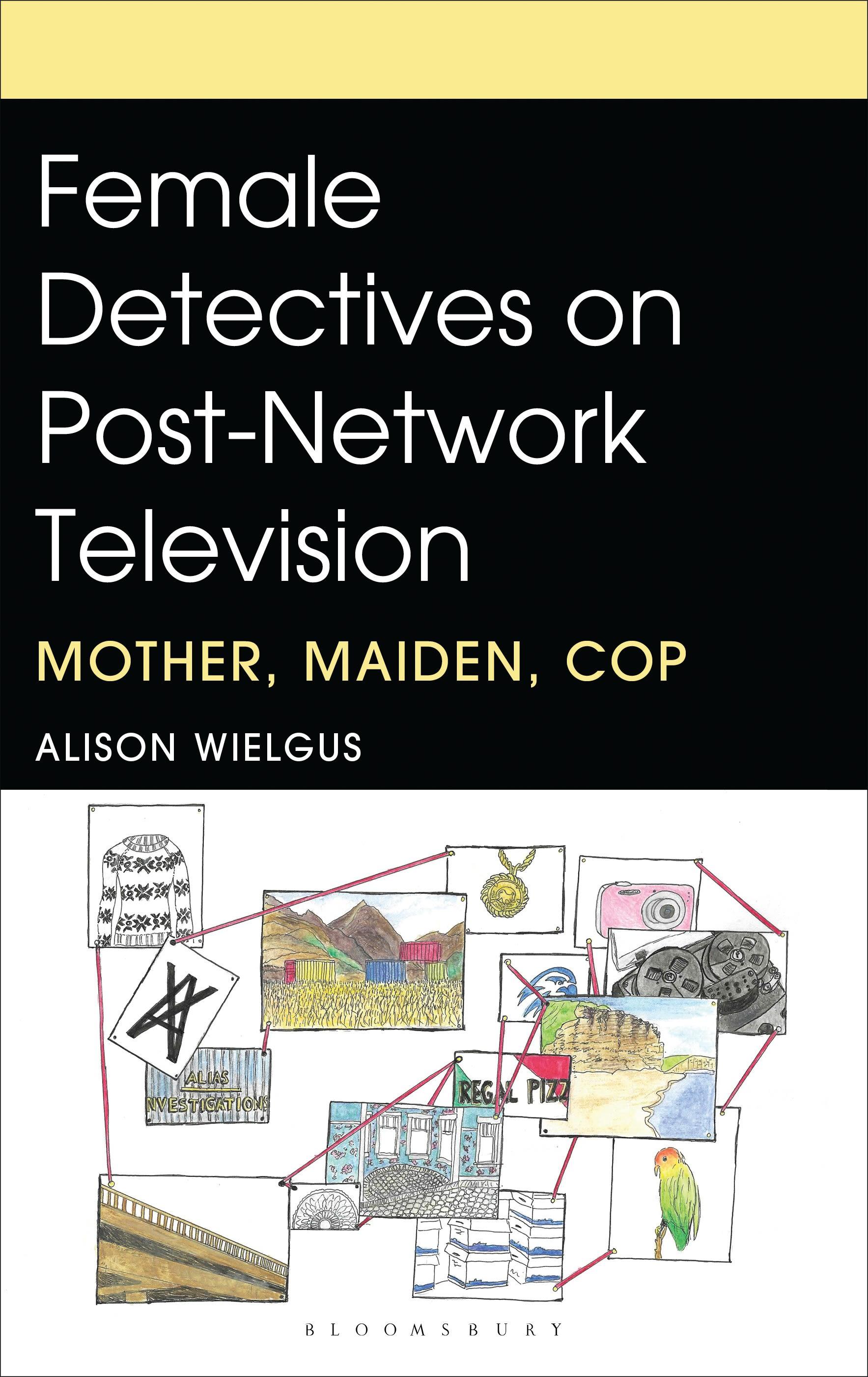
In this book, Alison Wielgus analyzes post-network female detective television through the lenses of genre, industry, and discourses of police abolition to argue for a radicalization of crime television that incorporates discourses of restorative justice and a feminist ethics of care.
Wielgus positions the genre as a primary site to examine the intersections of cultural discourses like #MeToo and Black Lives Matter, considering the roles of several components of the genre, including serialization, circulation, family trauma, transnational victimhood, and discourses of police abolition, among others. Drawing on narrative and genre theory, the book argues that a melodrama/crime television dialectic undergirds post-network detective television, allowing the female detective to emerge as a contested figure representative of larger cultural tensions between gender and policing.
While changing industrial measures have allowed for niche programming to evolve and more rigorously interrogate gender norms, Wielgus finds that this disruption rarely extends to the institution of policing itself. Ultimately, this book identifies a central problem of crime television in the limitations the genre places on the construction and representation of the structural and societal functions of policing, even amid other strides in progressive representation.
Wielgus positions the genre as a primary site to examine the intersections of cultural discourses like #MeToo and Black Lives Matter, considering the roles of several components of the genre, including serialization, circulation, family trauma, transnational victimhood, and discourses of police abolition, among others. Drawing on narrative and genre theory, the book argues that a melodrama/crime television dialectic undergirds post-network detective television, allowing the female detective to emerge as a contested figure representative of larger cultural tensions between gender and policing.
While changing industrial measures have allowed for niche programming to evolve and more rigorously interrogate gender norms, Wielgus finds that this disruption rarely extends to the institution of policing itself. Ultimately, this book identifies a central problem of crime television in the limitations the genre places on the construction and representation of the structural and societal functions of policing, even amid other strides in progressive representation.
Sider: 280
Kategori: Film- & Medievetenskap
e-ISBN: 9781978768758
Forsendelsesvægt: 1.2 kg
Sendes inden for: 1-2 dage
Betal nemt med kort, Klarna, Apple Pay eller Google Pay. Ikke tilfreds? Du har altid 14 dages fortrydelsesret. Læs mere i vores vilkår. Har du spørgsmål, så send os en mail på hello@memmo.org.
Memmo gør det nemmere at studere – uanset hvor du er i verden. Hos os samler du dine kursusbøger og smarte studieværktøjer ét sted: resuméer, quizzer, podcasts og flashcards. Og så er der Ted, din studieven, der svarer på alt, du undrer dig over. Over 50 000 studerende studerer allerede her – bygget til at hjælpe dig med at lære hurtigere og stresse mindre.