
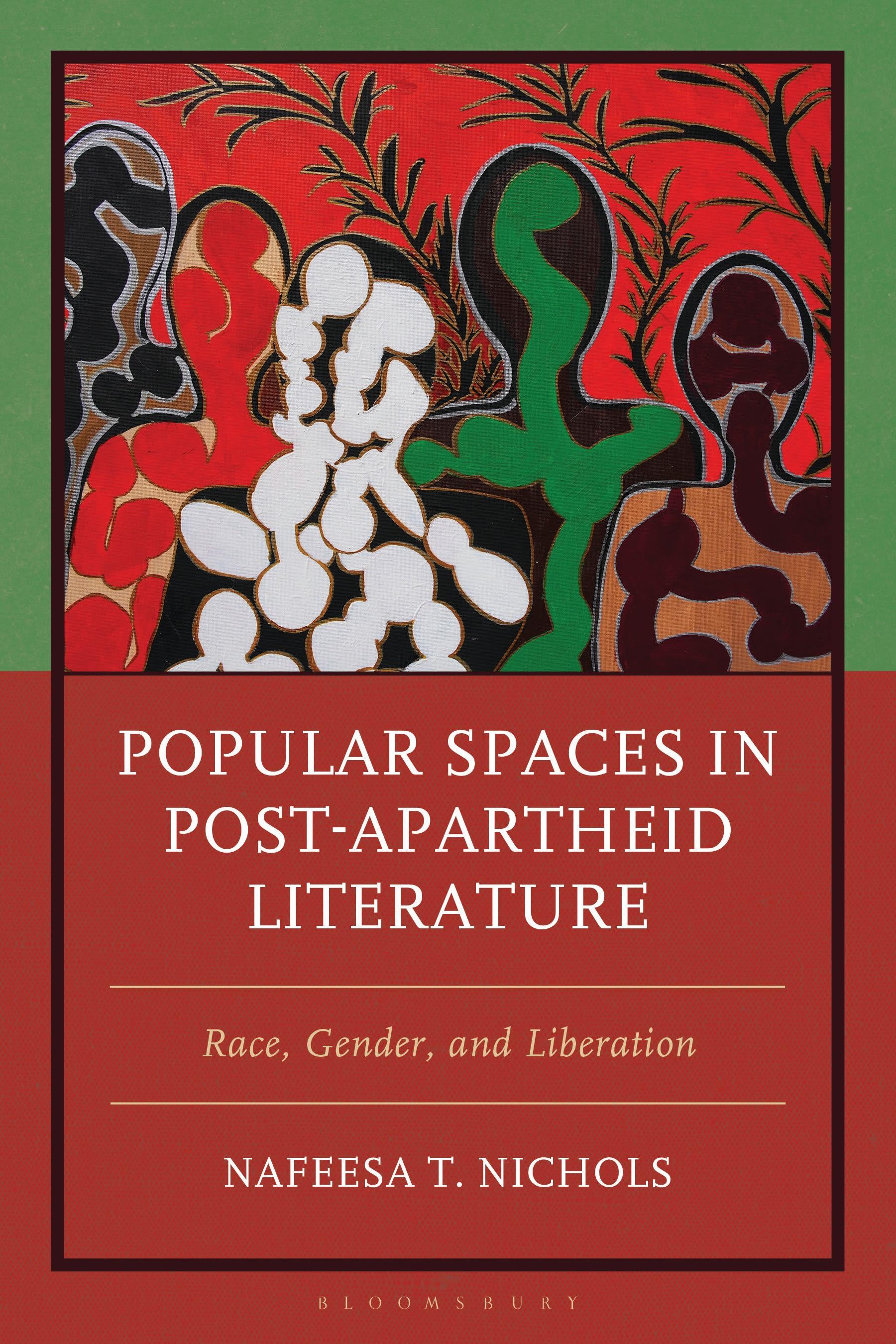
Nafeesa T. Nichols analyzes how racialized and gendered spaces are presented in post-apartheid South African literature.
Through the examination of four novels, Kopano Matlwa's Coconut (2007), Zukiswa Wanner's The Madams (2006), Niq Mhlongo's After Tears (2007), and Kgebetli Moele's Room 207 (2006), Popular Spaces in Post-Apartheid Literature highlights the interconnections between space, race, gender, and popular culture within the post-apartheid South Africa. Nichols not only explores how post-1994 literature attempts to represent the realities of the post-apartheid condition, but also reveals the innovative and radical contributions that these young authors of the early twenty-first century made within the literary world.
This book mediates the dynamics and complexities of space in connection to race and gender, exemplifies the challenge of working with and in violent masculinist textual spaces, and conceptualizes the popular in connection with class, race, and gender struggles. Drawing on an interdisciplinary mix of Black feminist theory, feminist geographical perspectives, and spatial theory, Nichols provides a close reading of each of the selected texts, offering broader insights into the how Black subjects navigate various spaces of oppression. Through these novels, she shows how we are able to imagine the possibilities of liberatory spaces, celebrate local knowledge, creativity, the popular, and, most importantly, the beauty and resistance found in the everyday. In the end, this book contributes to the academic conversations that continue to take place surrounding gender, space, literature, and liberation in South Africa.
Through the examination of four novels, Kopano Matlwa's Coconut (2007), Zukiswa Wanner's The Madams (2006), Niq Mhlongo's After Tears (2007), and Kgebetli Moele's Room 207 (2006), Popular Spaces in Post-Apartheid Literature highlights the interconnections between space, race, gender, and popular culture within the post-apartheid South Africa. Nichols not only explores how post-1994 literature attempts to represent the realities of the post-apartheid condition, but also reveals the innovative and radical contributions that these young authors of the early twenty-first century made within the literary world.
This book mediates the dynamics and complexities of space in connection to race and gender, exemplifies the challenge of working with and in violent masculinist textual spaces, and conceptualizes the popular in connection with class, race, and gender struggles. Drawing on an interdisciplinary mix of Black feminist theory, feminist geographical perspectives, and spatial theory, Nichols provides a close reading of each of the selected texts, offering broader insights into the how Black subjects navigate various spaces of oppression. Through these novels, she shows how we are able to imagine the possibilities of liberatory spaces, celebrate local knowledge, creativity, the popular, and, most importantly, the beauty and resistance found in the everyday. In the end, this book contributes to the academic conversations that continue to take place surrounding gender, space, literature, and liberation in South Africa.
Sider: 200
Kategori: Kultur-, Genus- & Postkoloniala studier
e-ISBN: 9781978766440
Forsendelsesvægt: 1.2 kg
Sendes inden for: 1-2 dage
Betal nemt med kort, Klarna, Apple Pay eller Google Pay. Ikke tilfreds? Du har altid 14 dages fortrydelsesret. Læs mere i vores vilkår. Har du spørgsmål, så send os en mail på hello@memmo.org.
Memmo gør det nemmere at studere – uanset hvor du er i verden. Hos os samler du dine kursusbøger og smarte studieværktøjer ét sted: resuméer, quizzer, podcasts og flashcards. Og så er der Ted, din studieven, der svarer på alt, du undrer dig over. Over 50 000 studerende studerer allerede her – bygget til at hjælpe dig med at lære hurtigere og stresse mindre.