
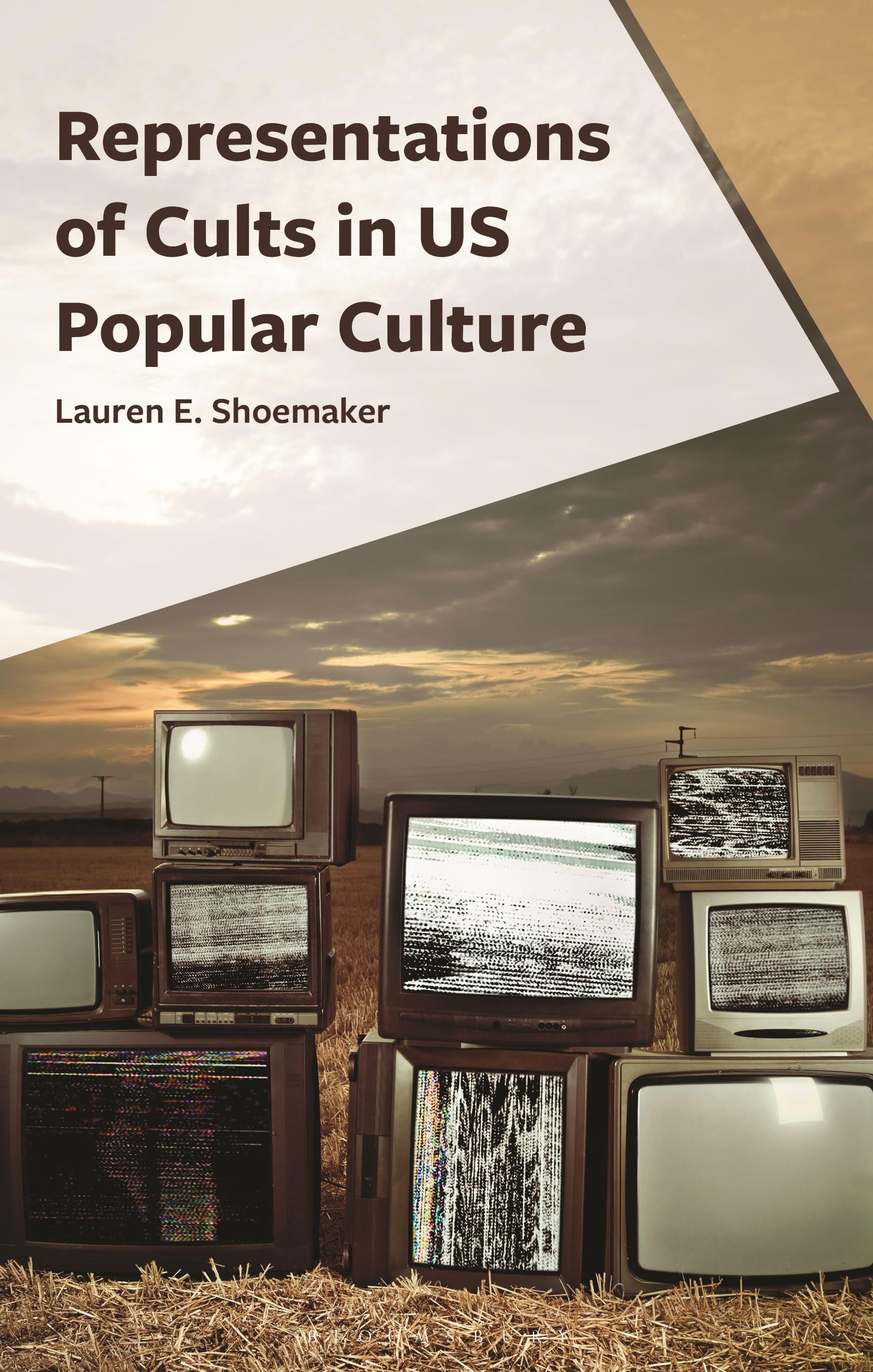
Lauren E. Shoemaker adopts a film studies approach to analyze the representation of cults in US popular culture, arguing that these portrayals play a dual role in both generating harmful stereotypes and, perhaps more importantly, examining structures of power that uphold oppressive systems.
Whether adapting the stories of real-life cults for the screen or creating fictional ones that draw from historical examples, popular culture that centers extreme or non-normative beliefs has become pervasive in the United States. Examining an array of media texts ranging from classic films like Rosemary's Baby (1968) and The Stepford Wives (1975) to contemporary streaming series like The Unbreakable Kimmy Schmidt and Waco (2018), Shoemaker demonstrates how fictionalized media utilize cults as metaphors for power structures like patriarchy, xenophobia, and colonialism through which norms of gender, race, and sexuality can be challenged.
Shoemaker builds on research from scholars of religion and new religious movements that identifies and categorizes the prevalence of misleading stereotypes about cults, positing that representation has evolved over the past sixty years to provide social critique that requires more nuanced, comprehensive, and interdisciplinary models of analysis that balance sensitivity and artistic appreciation. Examining these examples across genre and medium, this book illuminates the range and depth of insights that can be gained by looking at cult representation beyond stereotypes.
Whether adapting the stories of real-life cults for the screen or creating fictional ones that draw from historical examples, popular culture that centers extreme or non-normative beliefs has become pervasive in the United States. Examining an array of media texts ranging from classic films like Rosemary's Baby (1968) and The Stepford Wives (1975) to contemporary streaming series like The Unbreakable Kimmy Schmidt and Waco (2018), Shoemaker demonstrates how fictionalized media utilize cults as metaphors for power structures like patriarchy, xenophobia, and colonialism through which norms of gender, race, and sexuality can be challenged.
Shoemaker builds on research from scholars of religion and new religious movements that identifies and categorizes the prevalence of misleading stereotypes about cults, positing that representation has evolved over the past sixty years to provide social critique that requires more nuanced, comprehensive, and interdisciplinary models of analysis that balance sensitivity and artistic appreciation. Examining these examples across genre and medium, this book illuminates the range and depth of insights that can be gained by looking at cult representation beyond stereotypes.
Sider: 160
Kategori: Film- & Medievetenskap
e-ISBN: 9781978765634
Forsendelsesvægt: 1.2 kg
Sendes inden for: 1-2 dage
Betal nemt med kort, Klarna, Apple Pay eller Google Pay. Ikke tilfreds? Du har altid 14 dages fortrydelsesret. Læs mere i vores vilkår. Har du spørgsmål, så send os en mail på hello@memmo.org.
Memmo gør det nemmere at studere – uanset hvor du er i verden. Hos os samler du dine kursusbøger og smarte studieværktøjer ét sted: resuméer, quizzer, podcasts og flashcards. Og så er der Ted, din studieven, der svarer på alt, du undrer dig over. Over 50 000 studerende studerer allerede her – bygget til at hjælpe dig med at lære hurtigere og stresse mindre.