
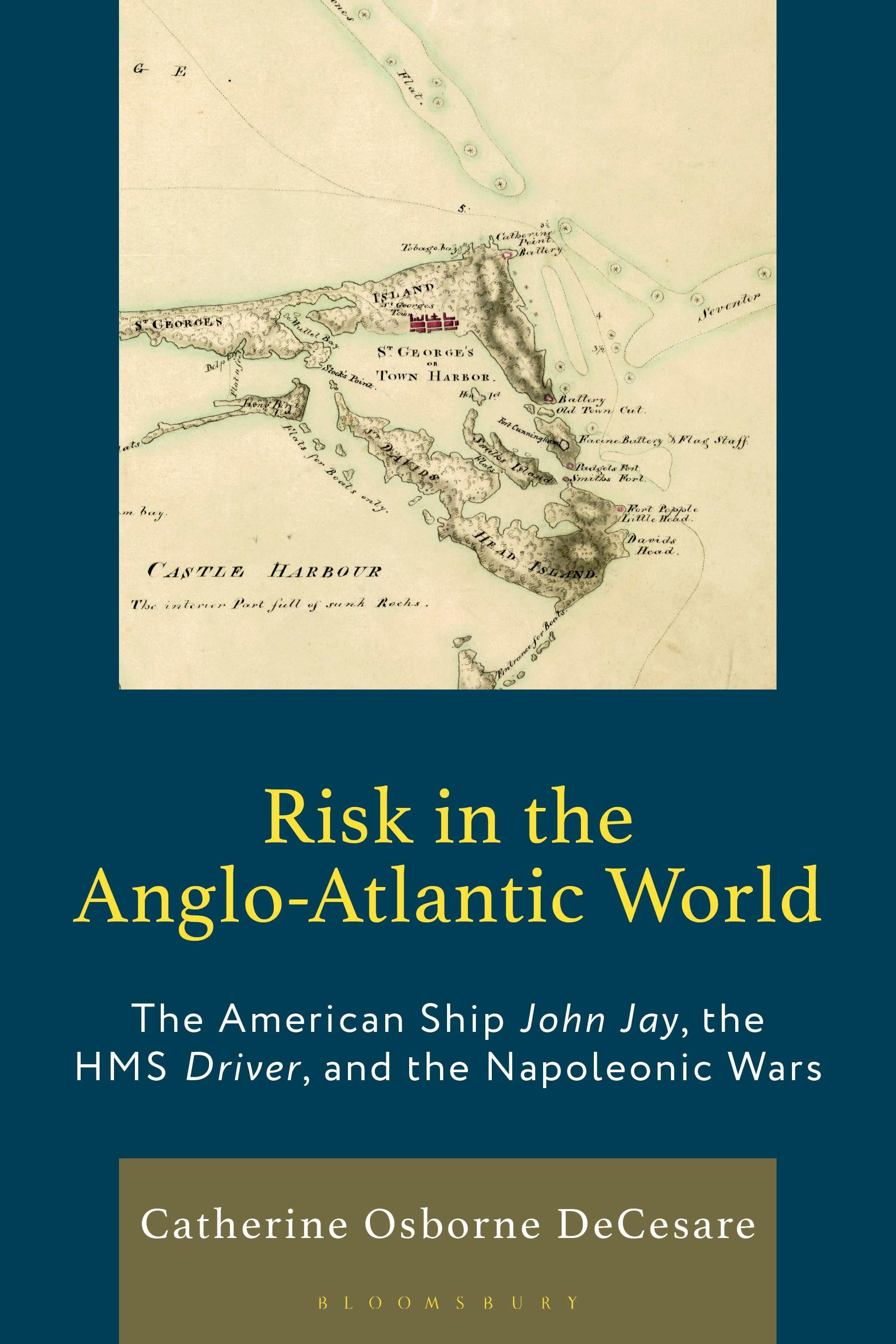
Using the experiences of the American ship, John Jay, and the British warship HMS Driver, this book recounts the various hazards faced by U.S. neutral trade vessels during the Napoleonic Wars.
The John Jay's sixth voyage (1804-1806) serves as a conduit to examine political and legal issues faced by United States neutral vessels navigating uncertain seas made worse by the volatility of the Napoleonic Wars. While the Driver and the John Jay reflected their respective nation's perspectives and identity, together they illustrate the ambiguities of the times in which they sailed. Their actions, and the consequences of those actions, intentional and unintentional, represented continuity in the Anglo-Atlantic.
Situating the ship within the larger geopolitical world, Catherine Osborne DeCesare traces the history of the John Jay to demonstrate how Americans were impacted by the natural hazards of wind, weather, and water; by the economic difficulties of maritime trade during wartime; and by the complexity and ambiguity of domestic policy, international relations, and war. The global conflict between Britain and France led to the seizure of the John Jay as a prize of war, the subsequent Vice Admiralty case in Bermuda, and an appeal to the High Court of Admiralty in London. This work makes visible the struggles and risks faced by ordinary people during the nineteenth century. Although the U.S. broke its imperial ties with Britain, this history illustrates continuity in the Anglo-Atlantic World.
The John Jay's sixth voyage (1804-1806) serves as a conduit to examine political and legal issues faced by United States neutral vessels navigating uncertain seas made worse by the volatility of the Napoleonic Wars. While the Driver and the John Jay reflected their respective nation's perspectives and identity, together they illustrate the ambiguities of the times in which they sailed. Their actions, and the consequences of those actions, intentional and unintentional, represented continuity in the Anglo-Atlantic.
Situating the ship within the larger geopolitical world, Catherine Osborne DeCesare traces the history of the John Jay to demonstrate how Americans were impacted by the natural hazards of wind, weather, and water; by the economic difficulties of maritime trade during wartime; and by the complexity and ambiguity of domestic policy, international relations, and war. The global conflict between Britain and France led to the seizure of the John Jay as a prize of war, the subsequent Vice Admiralty case in Bermuda, and an appeal to the High Court of Admiralty in London. This work makes visible the struggles and risks faced by ordinary people during the nineteenth century. Although the U.S. broke its imperial ties with Britain, this history illustrates continuity in the Anglo-Atlantic World.
Betal nemt med kort, Klarna, Apple Pay eller Google Pay. Ikke tilfreds? Du har altid 14 dages fortrydelsesret. Læs mere i vores vilkår. Har du spørgsmål, så send os en mail på hello@memmo.org.
Memmo gør det nemmere at studere – uanset hvor du er i verden. Hos os samler du dine kursusbøger og smarte studieværktøjer ét sted: resuméer, quizzer, podcasts og flashcards. Og så er der Ted, din studieven, der svarer på alt, du undrer dig over. Over 50 000 studerende studerer allerede her – bygget til at hjælpe dig med at lære hurtigere og stresse mindre.