
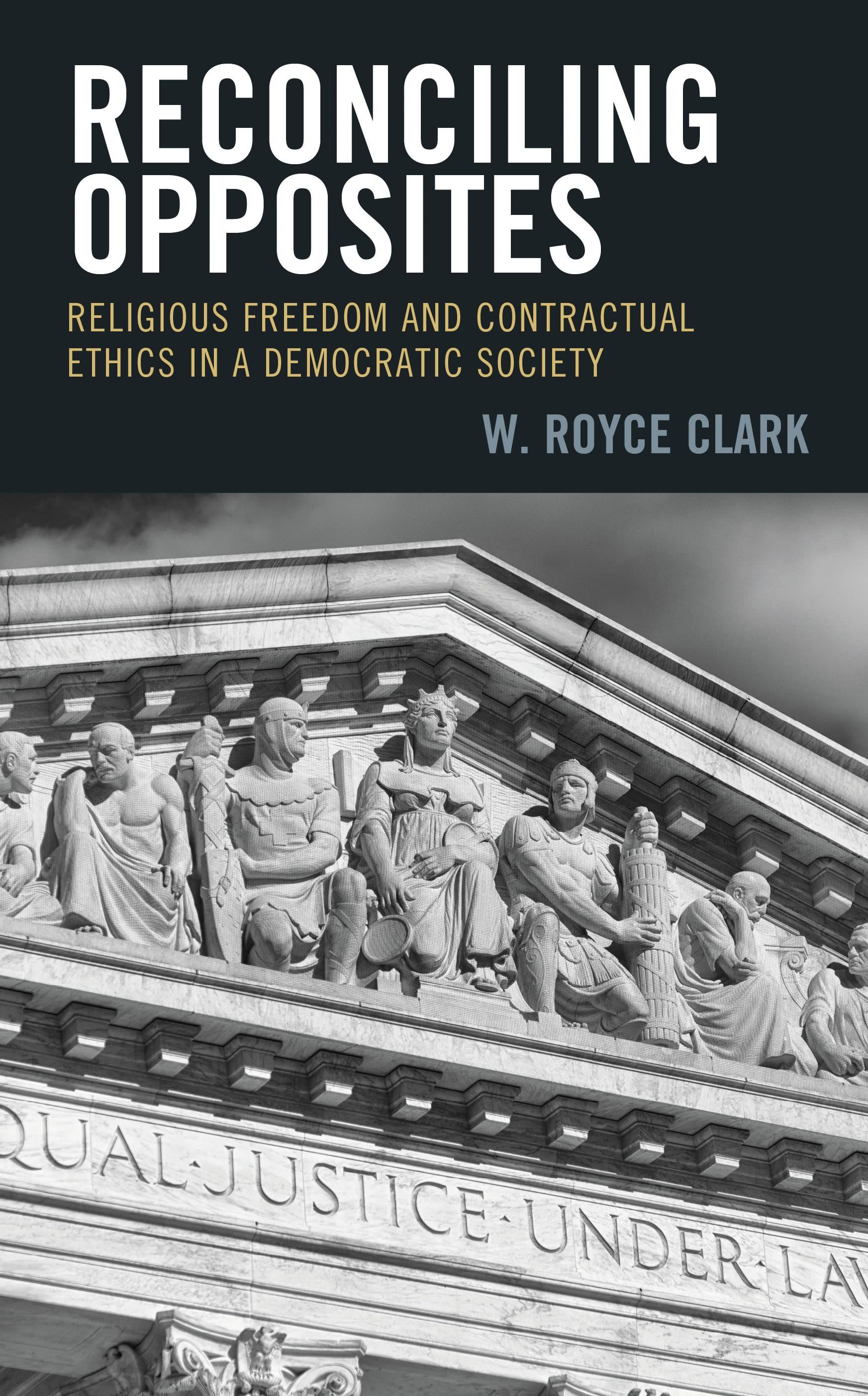
The American justice system was founded on the idea of “majority-rule,” but in a democracy this is achievable only if the majority has the interests of the whole at heart. Since the days of America’s founding, white, Christian males created laws from their standpoint as the majority, leading them to exercise power in a largely “majoritarian” way rather than upholding the interests of all citizens. The nation has not realized its stated ideals of equality of liberty, opportunity and justice for all. As a solution, W. Royce Clark formulates a non-majoritarian ethic based not on any majority but on a universal instinct, the combination of Albert Schweitzer’s “will-to-live” and Friedrich Nietzsche’s “will-to-power,” along with democratic principles articulated by John Rawls and James Madison, which would represent all citizens.
Betal nemt med kort, Klarna, Apple Pay eller Google Pay. Ikke tilfreds? Du har altid 14 dages fortrydelsesret. Læs mere i vores vilkår. Har du spørgsmål, så send os en mail på hello@memmo.org.
Memmo gør det nemmere at studere – uanset hvor du er i verden. Hos os samler du dine kursusbøger og smarte studieværktøjer ét sted: resuméer, quizzer, podcasts og flashcards. Og så er der Ted, din studieven, der svarer på alt, du undrer dig over. Over 50 000 studerende studerer allerede her – bygget til at hjælpe dig med at lære hurtigere og stresse mindre.