
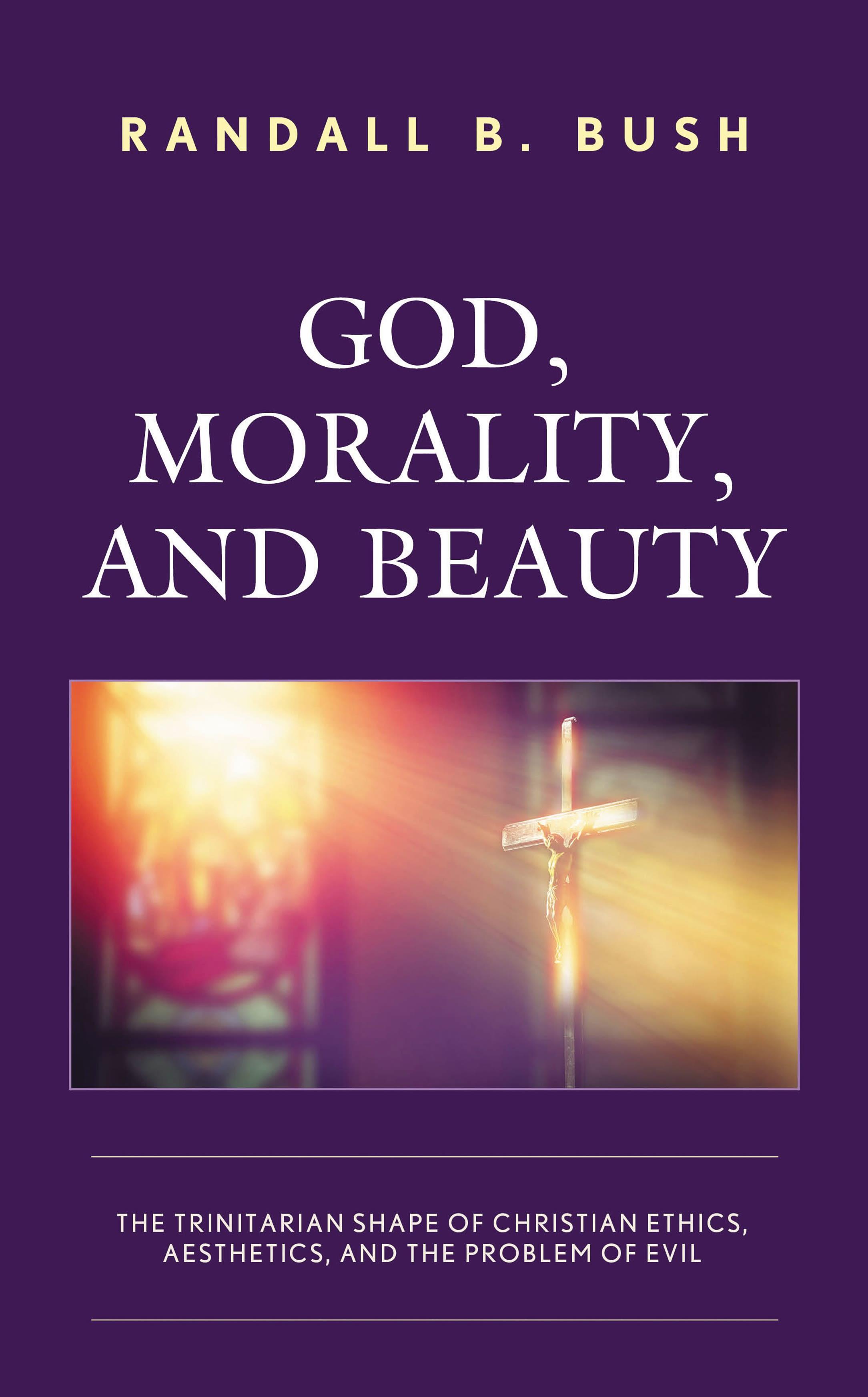
Randall B. Bush analyzes the ways unacknowledged axiological assumptions (e.g., about what is important, why human beings are valuing creatures, and where the capacity to value comes from) prejudice the perspectives and approaches of various academic disciplines, especially in the social sciences and the humanities. The disciplines of ethics and aesthetics provide the most useful tools for a philosophy of value, but academic overspecialization has compartmentalized and segregated these disciplines from others, threatening to unravel the unity of conceptions of the moral and the beautiful in human existence. Bush argues that a dialectical approach to conflicts between ethics and aesthetics can point to a broader, axiological vision––informed by a Trinitarian conception of reality––in which the whole, a coherent theory of value, is more than the sum of its parts.
Betal nemt med kort, Klarna, Apple Pay eller Google Pay. Ikke tilfreds? Du har altid 14 dages fortrydelsesret. Læs mere i vores vilkår. Har du spørgsmål, så send os en mail på hello@memmo.org.
Memmo gør det nemmere at studere – uanset hvor du er i verden. Hos os samler du dine kursusbøger og smarte studieværktøjer ét sted: resuméer, quizzer, podcasts og flashcards. Og så er der Ted, din studieven, der svarer på alt, du undrer dig over. Over 50 000 studerende studerer allerede her – bygget til at hjælpe dig med at lære hurtigere og stresse mindre.