
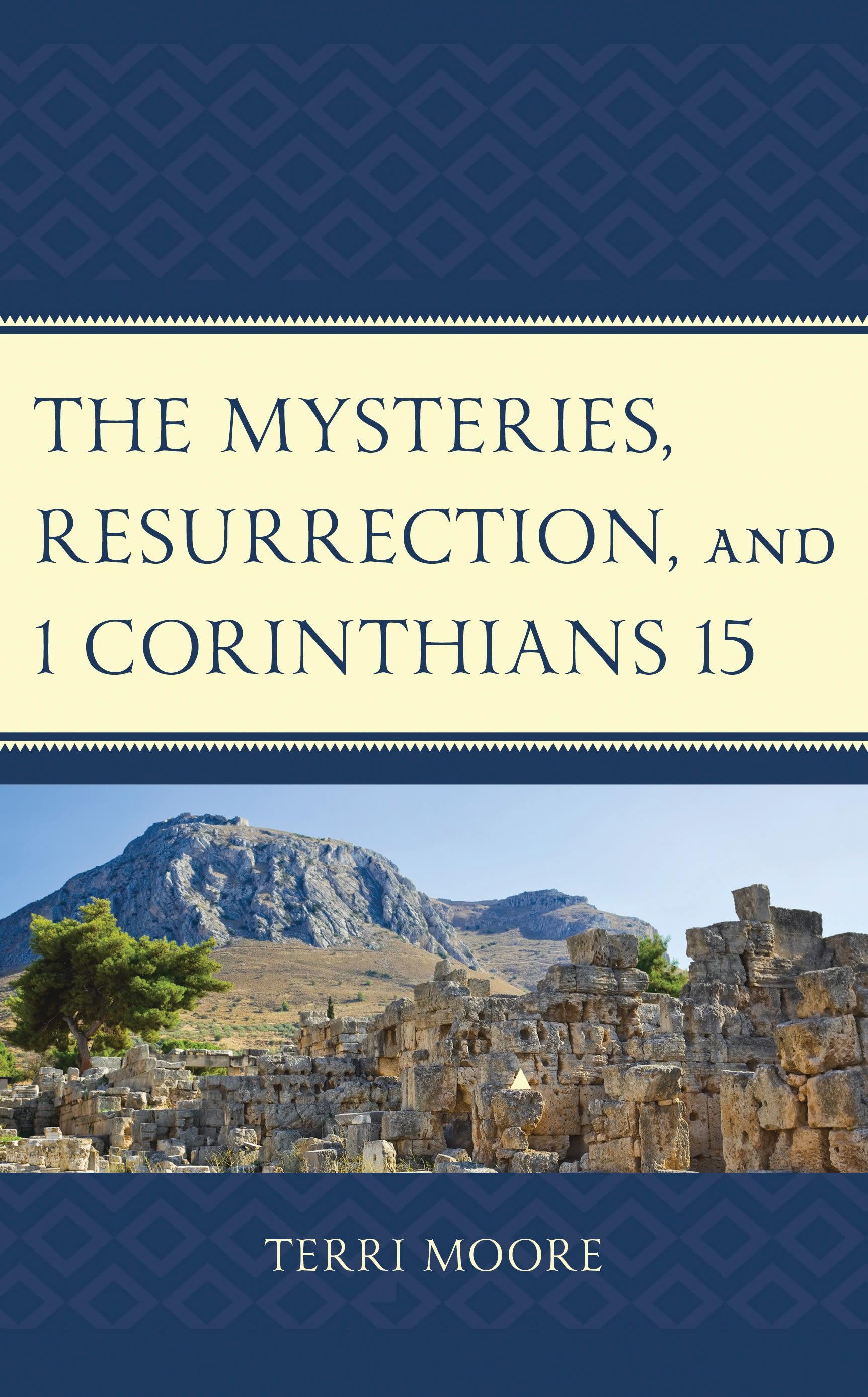
Often ignored, misunderstood, or compared with Christian belief in a haphazard or inconsistent manner, the Mysteries of the Graeco-Roman world, when handled carefully and consistently, can aid in elucidating the context of New Testament texts. By closely examining the Eleusinian Mysteries and the Mysteries of Isis, and particularly their promises of a pleasant afterlife in Hades for those initiated into the cults, this work offers insight into difficult interpretational issues in First Corinthians 15.
The work proceeds from a methodological commitment to understanding the Mysteries in their own right and without an overlay of Christian belief. The book includes a broad overview of the Eleusinian Mysteries and the Mysteries of Isis and their place in Graeco-Roman culture, taking a deep and careful dive into conceptions of the afterlife in these cults. In each instance available historical data is considered, from works of mythology to dramas to archeological fragments, all with a focus on afterlife beliefs. With an ultimate goal to better understand Paul’s writing in First Corinthians 15, the study includes an overview of Corinthian society and a particular examination of the available evidence concerning the impact of the Mysteries on Corinthians’ expectation of the afterlife.
Having considered the Mysteries independently, the work turns to First Corinthians 15 with a brief exegetical overview before drawing careful comparisons between Paul’s teaching and the afterlife beliefs of the Mysteries. The book concludes with suggestions for interpretational issues on Paul’s teaching in first Corinthians 15 regarding death and resurrection and baptism for the dead.
The work proceeds from a methodological commitment to understanding the Mysteries in their own right and without an overlay of Christian belief. The book includes a broad overview of the Eleusinian Mysteries and the Mysteries of Isis and their place in Graeco-Roman culture, taking a deep and careful dive into conceptions of the afterlife in these cults. In each instance available historical data is considered, from works of mythology to dramas to archeological fragments, all with a focus on afterlife beliefs. With an ultimate goal to better understand Paul’s writing in First Corinthians 15, the study includes an overview of Corinthian society and a particular examination of the available evidence concerning the impact of the Mysteries on Corinthians’ expectation of the afterlife.
Having considered the Mysteries independently, the work turns to First Corinthians 15 with a brief exegetical overview before drawing careful comparisons between Paul’s teaching and the afterlife beliefs of the Mysteries. The book concludes with suggestions for interpretational issues on Paul’s teaching in first Corinthians 15 regarding death and resurrection and baptism for the dead.
Betal nemt med kort, Klarna, Apple Pay eller Google Pay. Ikke tilfreds? Du har altid 14 dages fortrydelsesret. Læs mere i vores vilkår. Har du spørgsmål, så send os en mail på hello@memmo.org.
Memmo gør det nemmere at studere – uanset hvor du er i verden. Hos os samler du dine kursusbøger og smarte studieværktøjer ét sted: resuméer, quizzer, podcasts og flashcards. Og så er der Ted, din studieven, der svarer på alt, du undrer dig over. Over 50 000 studerende studerer allerede her – bygget til at hjælpe dig med at lære hurtigere og stresse mindre.