
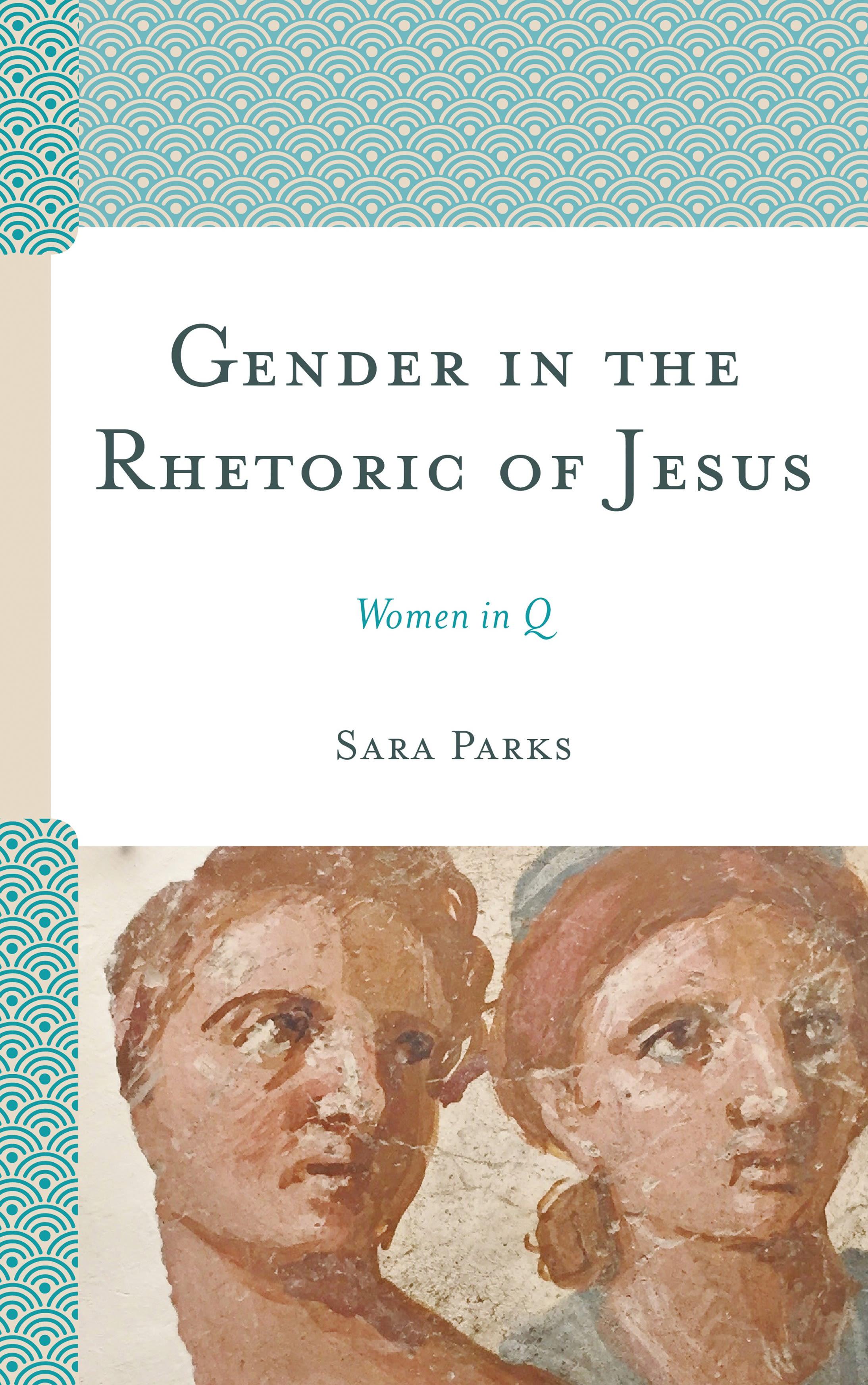
Examining the hypothetical earliest layer of Jesus’ sayings known as Q, Sara Parks argues that Jesus deliberately crafted parabolic teachings regarding the basileia of God to appeal to both male and female adherents. For a century after Q, vestiges of gender-paired teachings popped up in multiple independent texts related to Jesus, from Mark to Paul to the Synoptics and John—making it more likely that this inclusion of women originated with Jesus himself. In Gender and the Rhetoric of Jesus, Parks engages the divided scholarship on the meaning of gendered pairs for an evaluation of the gender politics of Q, arguing that even though Q’s peculiar rhetoric of gender equality was an innovation, it was also a product of its time, as evidenced in other contemporaneous texts which struggled with ambiguous equalities, from Philo to Musonius Rufus to Joseph and Aseneth. In addition, she shows that Jesus’ rhetoric of gender, as remembered in Q constitutes some of the earliest evidence for the study of first-century Jewish women, and women in Christian origins.
Betal nemt med kort, Klarna, Apple Pay eller Google Pay. Ikke tilfreds? Du har altid 14 dages fortrydelsesret. Læs mere i vores vilkår. Har du spørgsmål, så send os en mail på hello@memmo.org.
Memmo gør det nemmere at studere – uanset hvor du er i verden. Hos os samler du dine kursusbøger og smarte studieværktøjer ét sted: resuméer, quizzer, podcasts og flashcards. Og så er der Ted, din studieven, der svarer på alt, du undrer dig over. Over 50 000 studerende studerer allerede her – bygget til at hjælpe dig med at lære hurtigere og stresse mindre.