
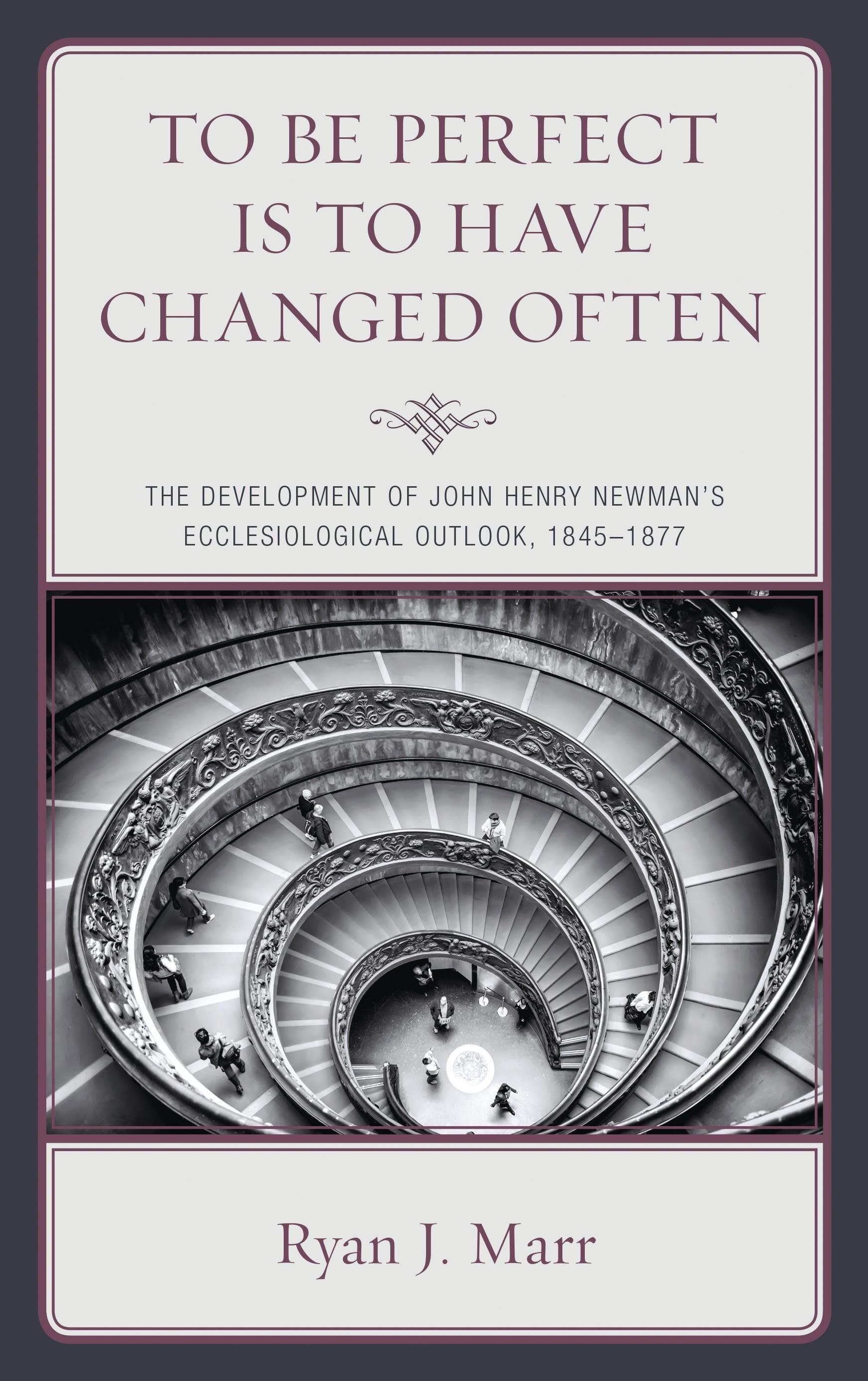
This study approaches John Henry Newman’s writings on the church from a fresh perspective by examining the development of Newman’s ecclesiological outlook over time. It demonstrates that it can be misleading to refer to Newman’s “Catholic ecclesiology” (singular), because such an approach gives the impression that Newman maintained a stable ecclesiological perspective during his Roman Catholic period. In reality, Newman’s outlook on the church underwent significant developments over the last four decades of his life. As a result of various events in his life, including the Rambler affair and his experience of the First Vatican Council, Newman slowly developed an ecclesiological outlook that counterbalanced the authority of the pope and bishops with a robust account of the role of theologians and the lay faithful in the reception and transmission of church doctrine. Whether consciously or not, Newman left his ecclesiological writings open for further development on the part of theologians who would follow after him.
Betal nemt med kort, Klarna, Apple Pay eller Google Pay. Ikke tilfreds? Du har altid 14 dages fortrydelsesret. Læs mere i vores vilkår. Har du spørgsmål, så send os en mail på hello@memmo.org.
Memmo gør det nemmere at studere – uanset hvor du er i verden. Hos os samler du dine kursusbøger og smarte studieværktøjer ét sted: resuméer, quizzer, podcasts og flashcards. Og så er der Ted, din studieven, der svarer på alt, du undrer dig over. Over 50 000 studerende studerer allerede her – bygget til at hjælpe dig med at lære hurtigere og stresse mindre.