
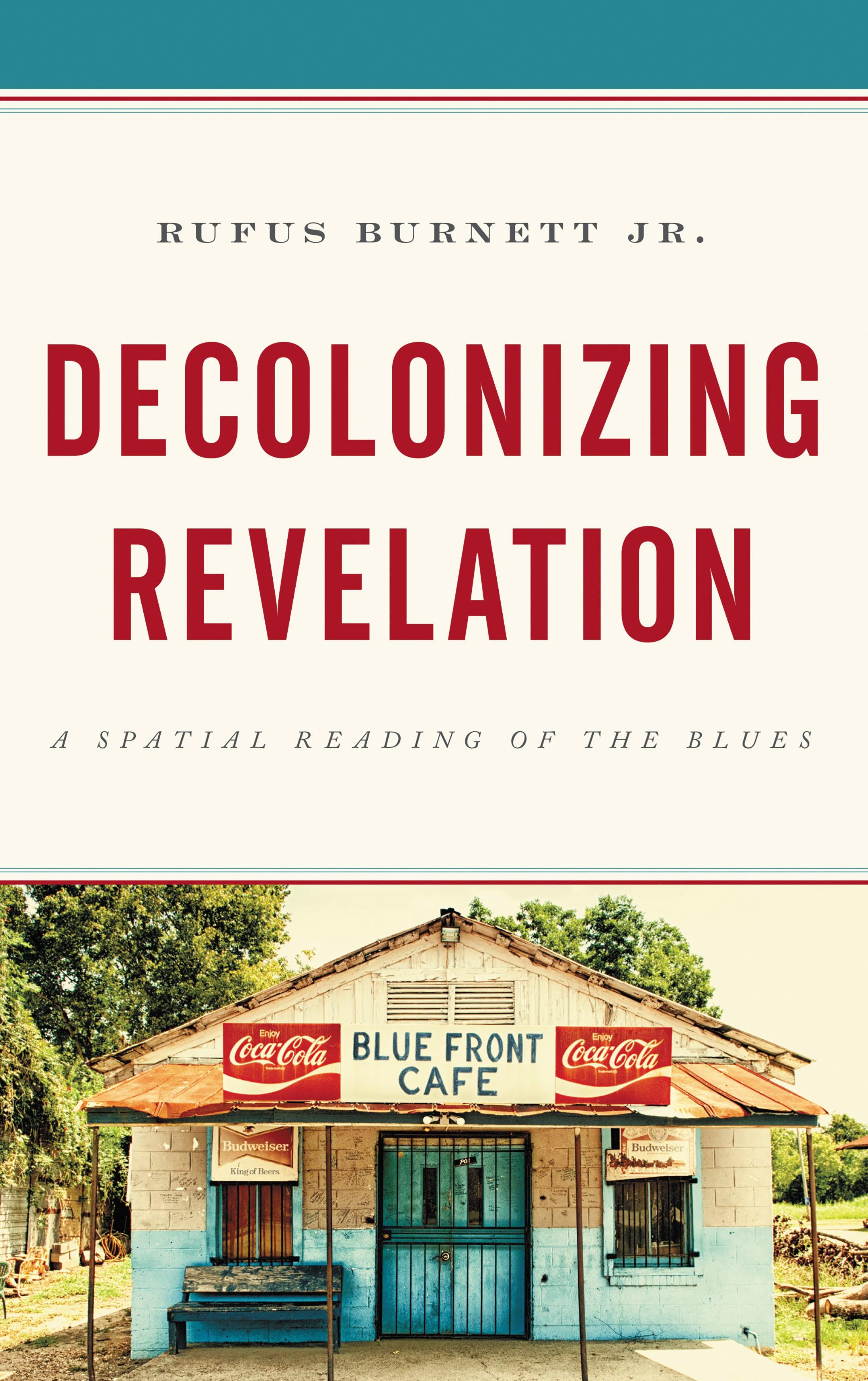
At a time when ideas like “post-racial society” and “#BlackLivesMatter” occupy the same space, scholars of black American faith are provided a unique opportunity to regenerate and imagine theological frameworks that confront the epistemic effects of racialization and its confluence with the theological imagination. Decolonizing Revelation contributes to this task by rethinking or “taking a second look” at the cultural production of the blues. Unlike other examinations of the blues that privilege the hermeneutic of race, this work situates the blues spatially, offering a transracial interpretation that looks to establish an option for disentangling racial ideology from the theological imagination. This book dislocates race in particular, and modernity in general, as the primary means by which God’s self-disclosure is read across human history. Rather than looking to the experience of antiblack racism as revelational, the work looks to a people group, blues people, and their spatial, sonic, and sensual activities. Following the basic theological premise that God is a God of life, Burnett looks to the spaces where blues life occurs to construct a decolonial option for a theology of revelation.
Betal nemt med kort, Klarna, Apple Pay eller Google Pay. Ikke tilfreds? Du har altid 14 dages fortrydelsesret. Læs mere i vores vilkår. Har du spørgsmål, så send os en mail på hello@memmo.org.
Memmo gør det nemmere at studere – uanset hvor du er i verden. Hos os samler du dine kursusbøger og smarte studieværktøjer ét sted: resuméer, quizzer, podcasts og flashcards. Og så er der Ted, din studieven, der svarer på alt, du undrer dig over. Over 50 000 studerende studerer allerede her – bygget til at hjælpe dig med at lære hurtigere og stresse mindre.