
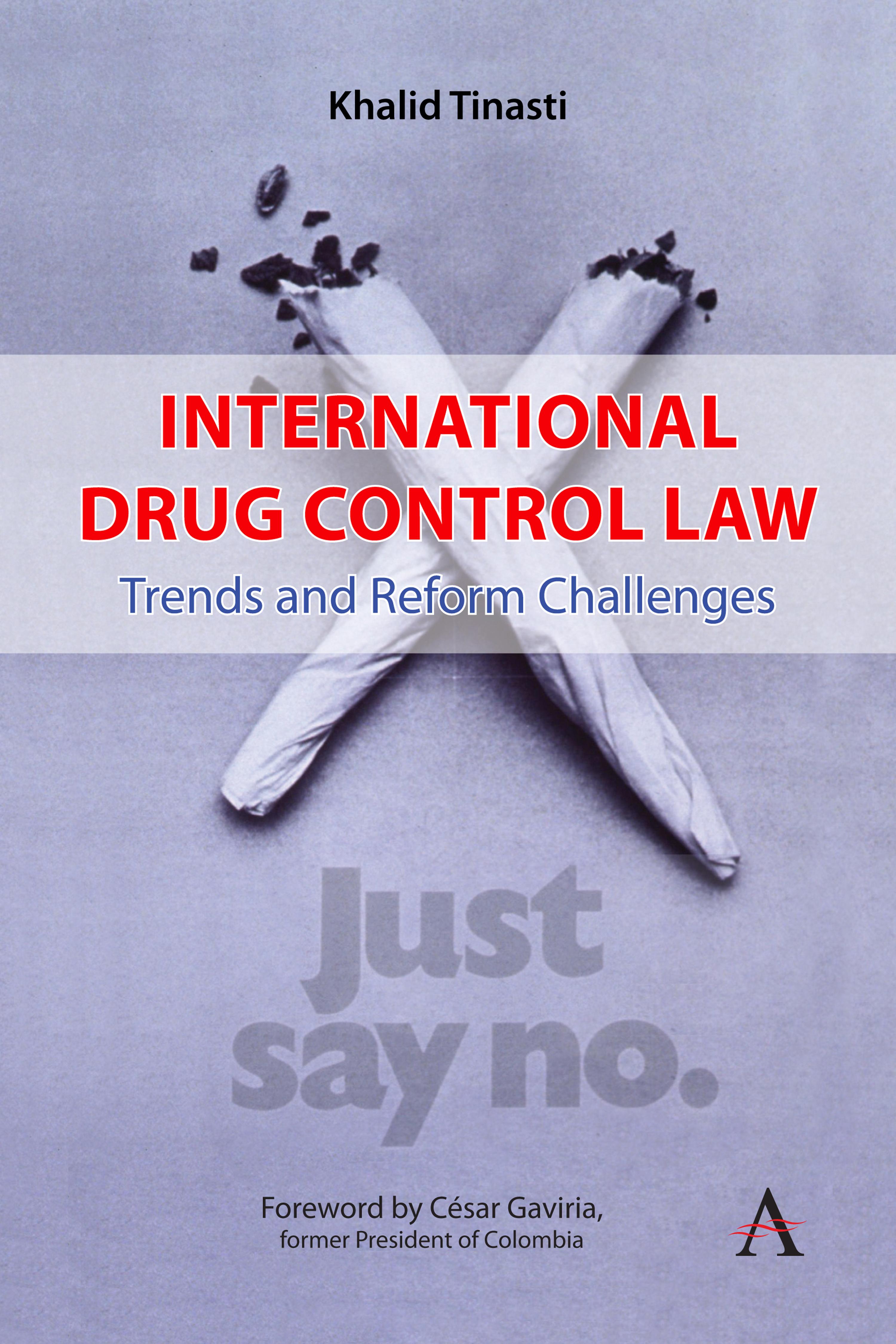
The international drug control regime, built on three conventions (1961, 1971, and 1988), prohibits non-medical drug production and use while ensuring access for medical purposes. Despite nearly universal ratification and efforts focused on demand and supply reduction, the illegal drug market has expanded, with drug use increasing by 20% and problematic use by 45% in just a decade. Challenges such as synthetic drug crises, the legalization of non-medical cannabis in some regions, and new trafficking methods like dark web markets have highlighted tensions within the regime and its limits in meeting key objectives. This book examines the framework’s legal foundations, implementation, and historical context, alongside emerging tensions and their impact on global norms related to health, development, and human rights. It explores whether the regime remains fit for purpose or requires reform, assessing existing pathways for change and the implications of maintaining the status quo or of reforming. Offering critical insights for policymakers, academics, and communities, International Drug Control Law provides a timely and comprehensive analysis of the modernization of global drug policy in a rapidly shifting landscape.
Betal nemt med kort, Klarna, Apple Pay eller Google Pay. Ikke tilfreds? Du har altid 14 dages fortrydelsesret. Læs mere i vores vilkår. Har du spørgsmål, så send os en mail på hello@memmo.org.
Memmo gør det nemmere at studere – uanset hvor du er i verden. Hos os samler du dine kursusbøger og smarte studieværktøjer ét sted: resuméer, quizzer, podcasts og flashcards. Og så er der Ted, din studieven, der svarer på alt, du undrer dig over. Over 50 000 studerende studerer allerede her – bygget til at hjælpe dig med at lære hurtigere og stresse mindre.