
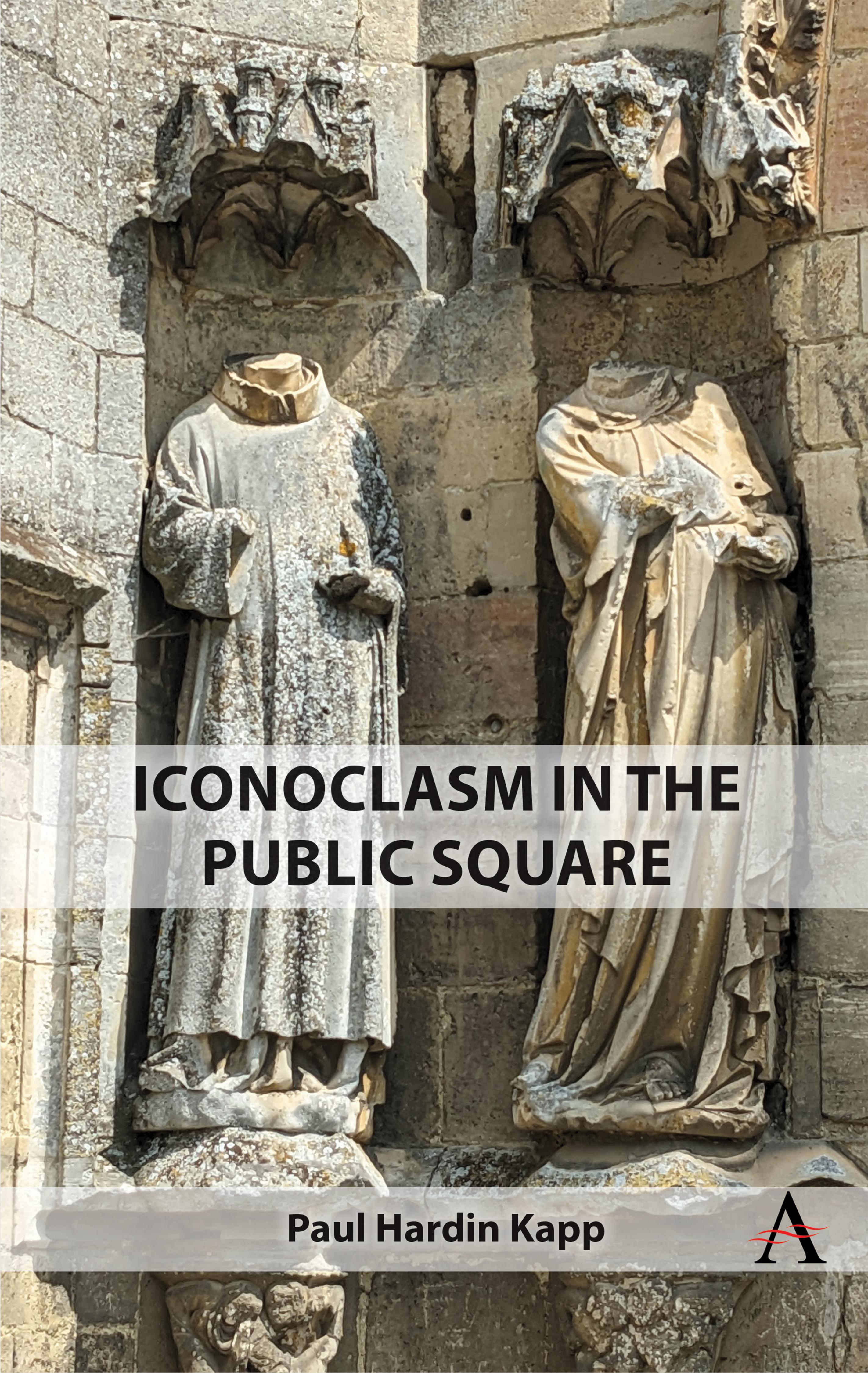
For historic preservationists and conservationists, iconoclasm is now the most consequential issue in the field and will continue to be a matter of contention for the foreseeable future. Motives for enacting iconoclasm can be justified, but what are the consequences for doing so, and how, in turn, will this determine the future of our public spaces in towns and cities? More fundamentally, is the current period of iconoclasm leading us to reconsider the public square as part of the built environment? This book will be the first theory-informed work to examine the discordance among the public over controversial historic monuments in the historic landscape and how it should be addressed. It challenges architects, landscape architects, conservationists, preservationists, elected officials, and the public to reconsider the public square and whether or not civic art that memorializes is still relevant or a practice that can be reimagined. It also considers the after-effects of iconoclasm acts: How should we redesign public civic spaces after we have either destroyed or removed historic monuments? As societal values change in regard to public memorialization, how will heritage practitioners, conservationist technicians, and urban designers grapple with working in the civic realm, which may be considered antiquated but continues to exist in our cities?
Betal nemt med kort, Klarna, Apple Pay eller Google Pay. Ikke tilfreds? Du har altid 14 dages fortrydelsesret. Læs mere i vores vilkår. Har du spørgsmål, så send os en mail på hello@memmo.org.
Memmo gør det nemmere at studere – uanset hvor du er i verden. Hos os samler du dine kursusbøger og smarte studieværktøjer ét sted: resuméer, quizzer, podcasts og flashcards. Og så er der Ted, din studieven, der svarer på alt, du undrer dig over. Over 50 000 studerende studerer allerede her – bygget til at hjælpe dig med at lære hurtigere og stresse mindre.