
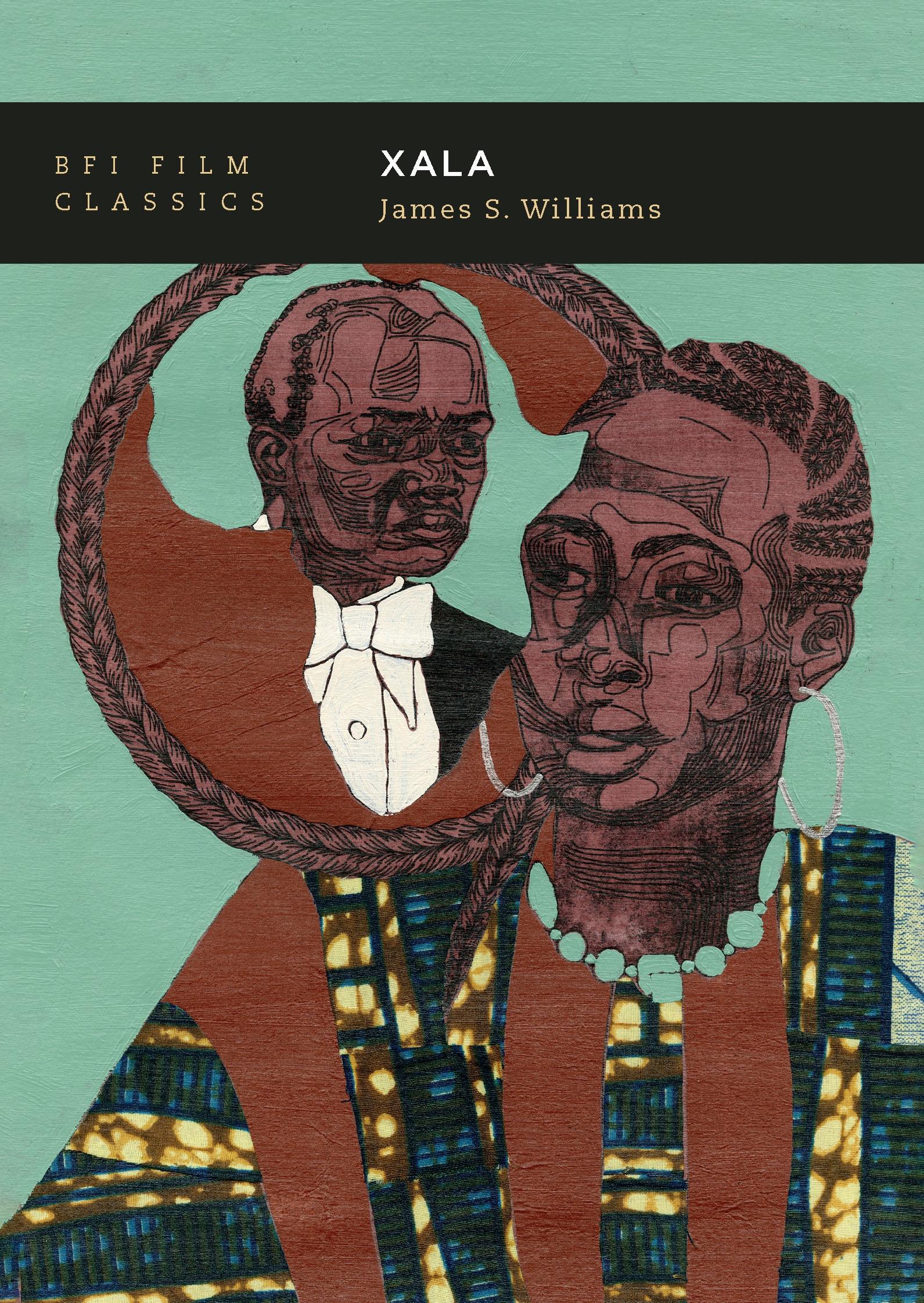
Xala (1974) by the pioneering Senegalese director Ousmane Sembene, was acclaimed on its release for its scorching critique of postcolonial African society, and it cemented Sembene's status as a wholly new kind of politically engaged, pan-African, auteur film-maker. Centring on the story of businessman El Hadji and the impotence that afflicts him on his marriage to a young third wife, Xala vividly captures the cultural and political upheaval of 1970s Senegal, while suggesting the radical potential of dissent, solidarity and collective action, embodied by El Hadji's student daughter Rama and the group of urban 'undesirables' who act as a kind of raw chorus to the affairs of the neocolonial elite.
James S. Williams's lucid study traces Xala's difficult production history and analyses its daring combination of political and domestic drama, oral narrative, social realism, symbolism, satire, documentary, mysticism and Marxist analysis. Yet from its dazzling extended opening sequence of revolution as performance to its suspended climax of redemption through ritualised spitting, Xala presents a series of conceptual and formal challenges that resist a simple reading of the film as allegory.
Highlighting often overlooked elements of Sembene's intricate, experimental film-making, including provocative shifts in mood and poetic, even subversively erotic, moments, Williams reveals Xala as a visionary work of both African cinema and Third Cinema that extended the parameters of postcolonial film practice and still resounds today with its searing inventive power.
James S. Williams's lucid study traces Xala's difficult production history and analyses its daring combination of political and domestic drama, oral narrative, social realism, symbolism, satire, documentary, mysticism and Marxist analysis. Yet from its dazzling extended opening sequence of revolution as performance to its suspended climax of redemption through ritualised spitting, Xala presents a series of conceptual and formal challenges that resist a simple reading of the film as allegory.
Highlighting often overlooked elements of Sembene's intricate, experimental film-making, including provocative shifts in mood and poetic, even subversively erotic, moments, Williams reveals Xala as a visionary work of both African cinema and Third Cinema that extended the parameters of postcolonial film practice and still resounds today with its searing inventive power.
Betal nemt med kort, Klarna, Apple Pay eller Google Pay. Ikke tilfreds? Du har altid 14 dages fortrydelsesret. Læs mere i vores vilkår. Har du spørgsmål, så send os en mail på hello@memmo.org.
Memmo gør det nemmere at studere – uanset hvor du er i verden. Hos os samler du dine kursusbøger og smarte studieværktøjer ét sted: resuméer, quizzer, podcasts og flashcards. Og så er der Ted, din studieven, der svarer på alt, du undrer dig over. Over 50 000 studerende studerer allerede her – bygget til at hjælpe dig med at lære hurtigere og stresse mindre.