
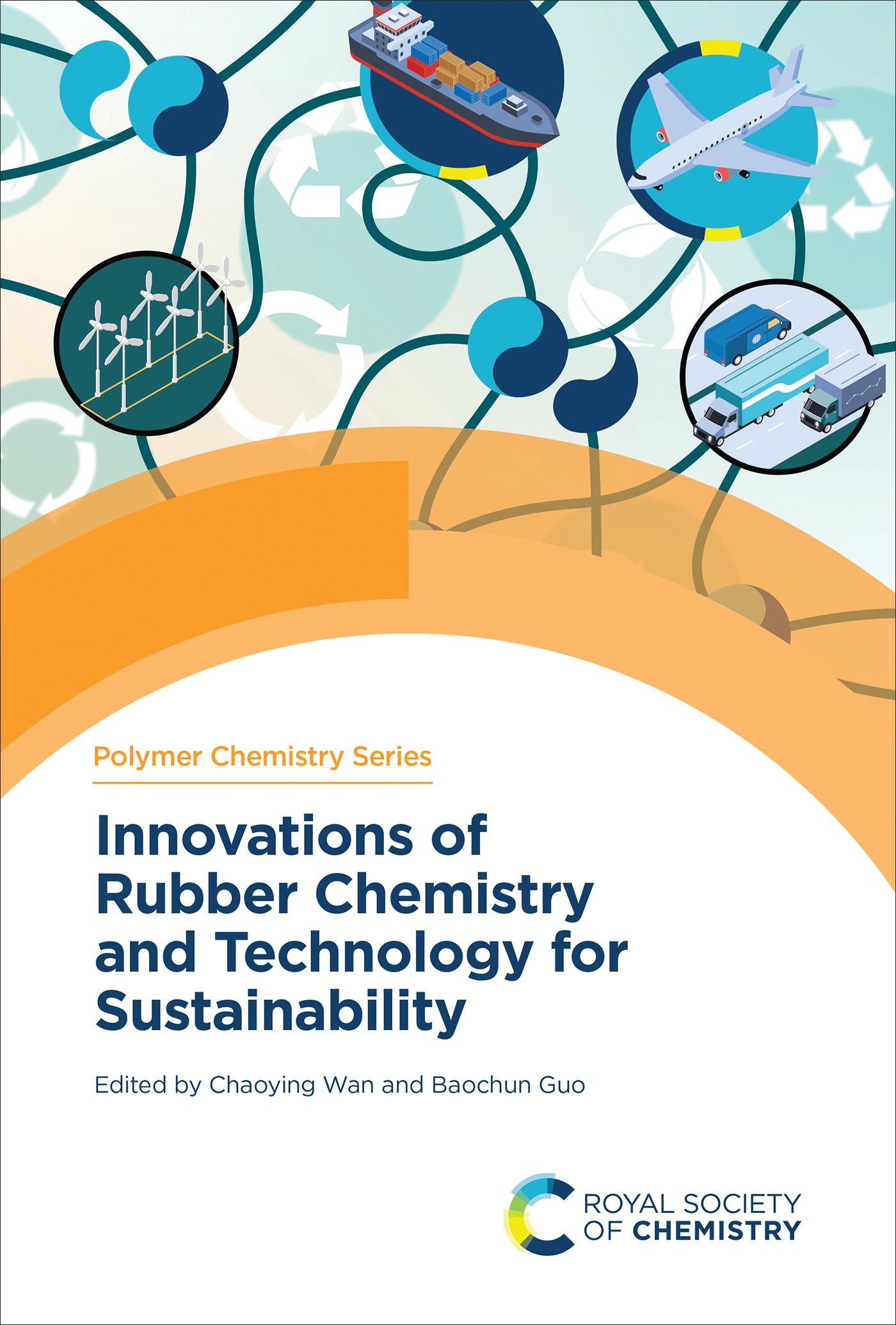
Rubbers are ubiquitous materials that play irreplaceable roles in modern society, from tires, seals, hoses, vibration/noise control, biomedical devices, and stretchable electronics to soft robotics. The traditional rubber manufacturing and vulcanization process is energy-intensive, and the end-of-life rubber products are hard to reuse and recycle due to the permanently crosslinked chemical structures and the variety of processing additives involved. Innovation of sustainable rubber chemistry and technology is urgently needed.
This book provides critical reviews of the latest developments in rubber technology, including energy-efficient devulcanization techniques, the dynamic crosslinking chemistry of rubbers, and an understanding of the trade-off between network dynamics and the properties of rubber. Further chapters explore the functionalization and hybridization of fillers and how blends, TPVs, and multiple networks influence the sustainability of rubber. The book concludes with an examination of new developments and real-world applications of rubber in the circular economy.
Betal nemt med kort, Klarna, Apple Pay eller Google Pay. Ikke tilfreds? Du har altid 14 dages fortrydelsesret. Læs mere i vores vilkår. Har du spørgsmål, så send os en mail på hello@memmo.org.
Memmo gør det nemmere at studere – uanset hvor du er i verden. Hos os samler du dine kursusbøger og smarte studieværktøjer ét sted: resuméer, quizzer, podcasts og flashcards. Og så er der Ted, din studieven, der svarer på alt, du undrer dig over. Over 50 000 studerende studerer allerede her – bygget til at hjælpe dig med at lære hurtigere og stresse mindre.