
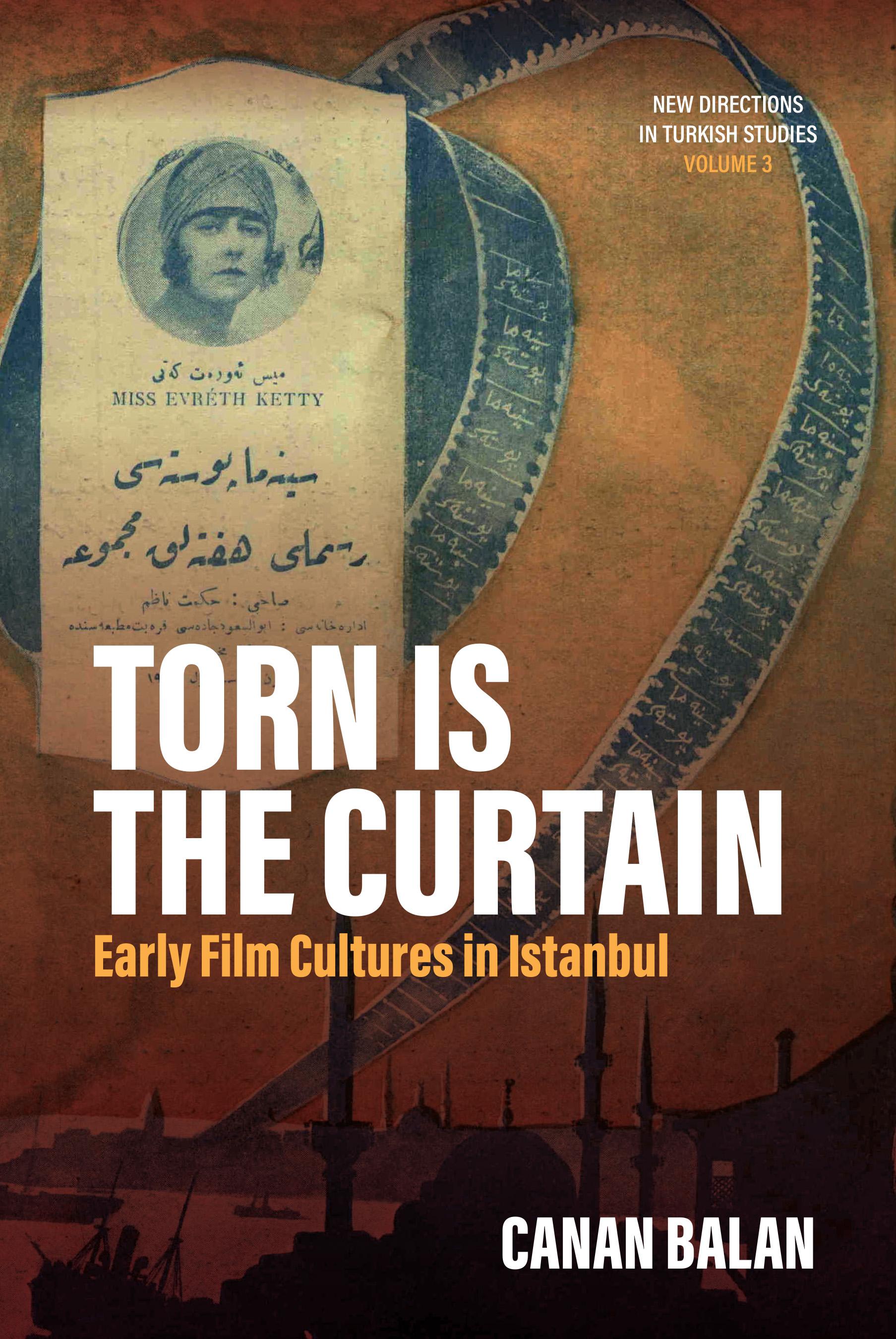
Offering a feminist history of cinema at the edges of empire and the nation-state, this book explores how gender, class, and ethno-religious divisions were projected, performed, and entangled. It Focuses on the former Ottoman capital from the late nineteenth century to the early 1930s and investigates how cinema both reflected and shaped Istanbul’s complex social fabric. Drawing on a wide range of primary sources—including newspapers, trade records, consular reports, memoirs, novels, Islamic teachings, poems, shadow-play texts, and surviving silent films—it situates early cinematic experiences within the intersecting contexts of societal change, gender politics, and competing worldviews. The analysis reveals how religious and cultural practices, particularly the Alevi-Bektashi faith and the women’s movement, informed emerging notions of cinematic modernity and cross-cultural exchange in the region.
Betal nemt med kort, Klarna, Apple Pay eller Google Pay. Ikke tilfreds? Du har altid 14 dages fortrydelsesret. Læs mere i vores vilkår. Har du spørgsmål, så send os en mail på hello@memmo.org.
Memmo gør det nemmere at studere – uanset hvor du er i verden. Hos os samler du dine kursusbøger og smarte studieværktøjer ét sted: resuméer, quizzer, podcasts og flashcards. Og så er der Ted, din studieven, der svarer på alt, du undrer dig over. Over 50 000 studerende studerer allerede her – bygget til at hjælpe dig med at lære hurtigere og stresse mindre.