
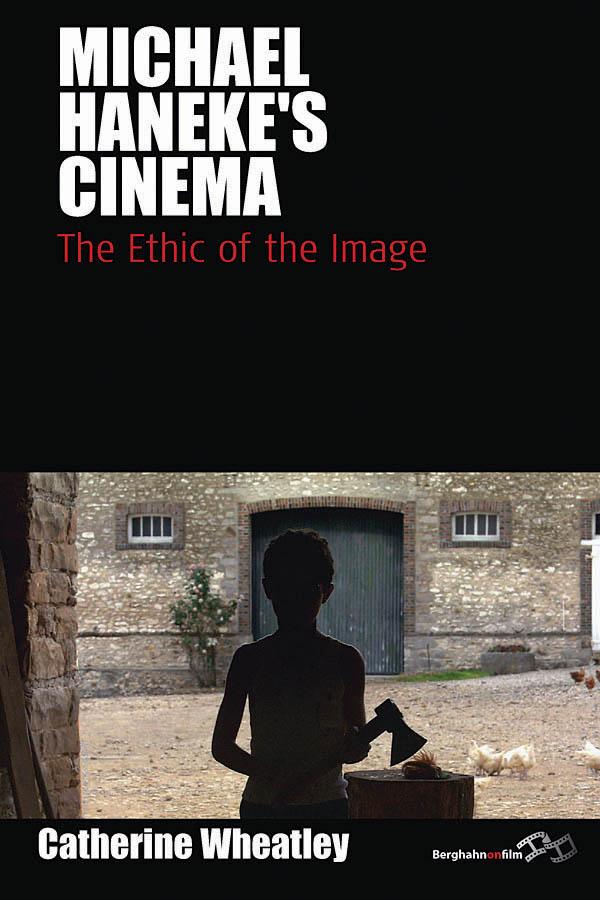
Existing critical traditions fail to fully account for the impact of Austrian director, and 2009 Cannes Palm d'Or winner, Michael Haneke’s films, situated as they are between intellectual projects and popular entertainments. In this first English-language introduction to, and critical analysis of, his work, each of Haneke’s eight feature films are considered in detail. Particular attention is given to what the author terms Michael Haneke’s ‘ethical cinema’ and the unique impact of these films upon their audiences.
Drawing on the moral philosophy of Immanuel Kant and Stanley Cavell, Catherine Wheatley, introduces a new way of marrying film and moral philosophy, which explicitly examines the ethics of the film viewing experience. Haneke’s films offer the viewer great freedom whilst simultaneously imposing a considerable burden of responsibility. How Haneke achieves this break with more conventional spectatorship models, and what its far-reaching implications are for film theory in general, constitute the principal subject of this book.
Betal nemt med kort, Klarna, Apple Pay eller Google Pay. Ikke tilfreds? Du har altid 14 dages fortrydelsesret. Læs mere i vores vilkår. Har du spørgsmål, så send os en mail på hello@memmo.org.
Memmo gør det nemmere at studere – uanset hvor du er i verden. Hos os samler du dine kursusbøger og smarte studieværktøjer ét sted: resuméer, quizzer, podcasts og flashcards. Og så er der Ted, din studieven, der svarer på alt, du undrer dig over. Over 50 000 studerende studerer allerede her – bygget til at hjælpe dig med at lære hurtigere og stresse mindre.