
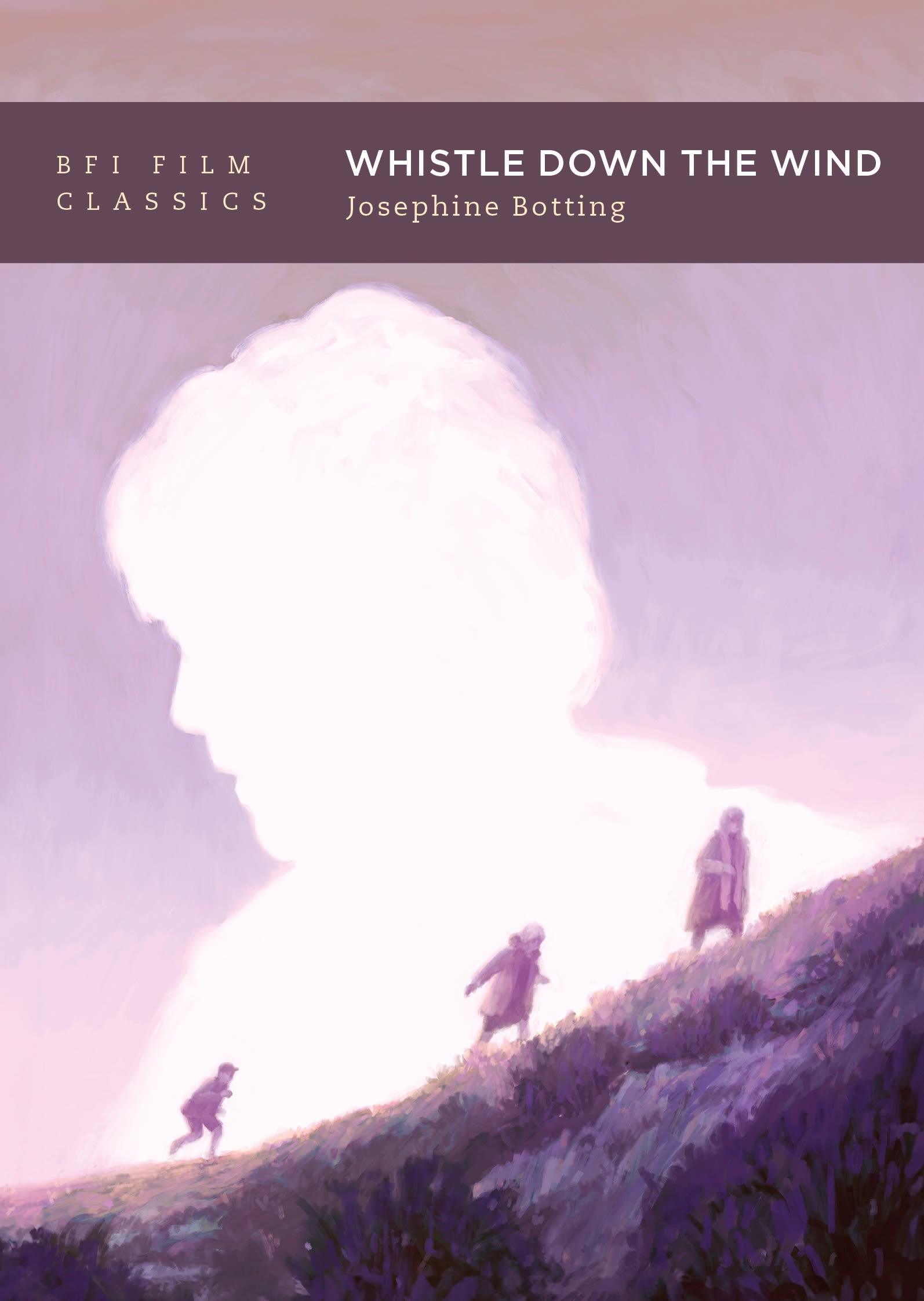
Based on Mary Hayley Bell's 1958 novella, Bryan Forbes's Whistle Down the Wind (1961) is a moving and compelling story of three siblings who find a stranger hiding in their family barn. Mistaking him for Jesus, they keep his presence a secret from the adults around them. Josephine Botting's study places this remarkable film within the landscape of the British industry in the early 1960s and examines the ways Bell's source material is adapted for the screen.
Botting assesses the creative contribution of Forbes to this critically acclaimed and much-loved British film. Shot almost entirely on location, its black and white camerawork uses the bleak Lancashire landscape as a haunting backdrop to its tale of innocence and faith. The use of both professional and amateur actors, furnished with humorous dialogue by writers Keith Waterhouse and Willis Hall, brings a unique authenticity to the depiction of rural life in Northern England.
Botting explores how the screenplay, cinematography, editing, musical score by Malcolm Arnold and use of sound contribute to the creation of an emotionally powerful narrative, yet one which avoids the sentimentality or 'cuteness' that child-centred films can suffer from. Botting traces the film's critical reception and addresses its neglect in recent literature, along with its relationship to works such as Kes (1969), The Railway Children (1970) and El Espíritu de la Colmena (Víctor Eríce, 1973), which similarly present the adult world through the eyes of children.
Botting assesses the creative contribution of Forbes to this critically acclaimed and much-loved British film. Shot almost entirely on location, its black and white camerawork uses the bleak Lancashire landscape as a haunting backdrop to its tale of innocence and faith. The use of both professional and amateur actors, furnished with humorous dialogue by writers Keith Waterhouse and Willis Hall, brings a unique authenticity to the depiction of rural life in Northern England.
Botting explores how the screenplay, cinematography, editing, musical score by Malcolm Arnold and use of sound contribute to the creation of an emotionally powerful narrative, yet one which avoids the sentimentality or 'cuteness' that child-centred films can suffer from. Botting traces the film's critical reception and addresses its neglect in recent literature, along with its relationship to works such as Kes (1969), The Railway Children (1970) and El Espíritu de la Colmena (Víctor Eríce, 1973), which similarly present the adult world through the eyes of children.
Sider: 104
Kategori: Film- & Medievetenskap
e-ISBN: 9781805750598
Forsendelsesvægt: 1.2 kg
Sendes inden for: 1-2 dage
Betal nemt med kort, Klarna, Apple Pay eller Google Pay. Ikke tilfreds? Du har altid 14 dages fortrydelsesret. Læs mere i vores vilkår. Har du spørgsmål, så send os en mail på hello@memmo.org.
Memmo gør det nemmere at studere – uanset hvor du er i verden. Hos os samler du dine kursusbøger og smarte studieværktøjer ét sted: resuméer, quizzer, podcasts og flashcards. Og så er der Ted, din studieven, der svarer på alt, du undrer dig over. Over 50 000 studerende studerer allerede her – bygget til at hjælpe dig med at lære hurtigere og stresse mindre.