
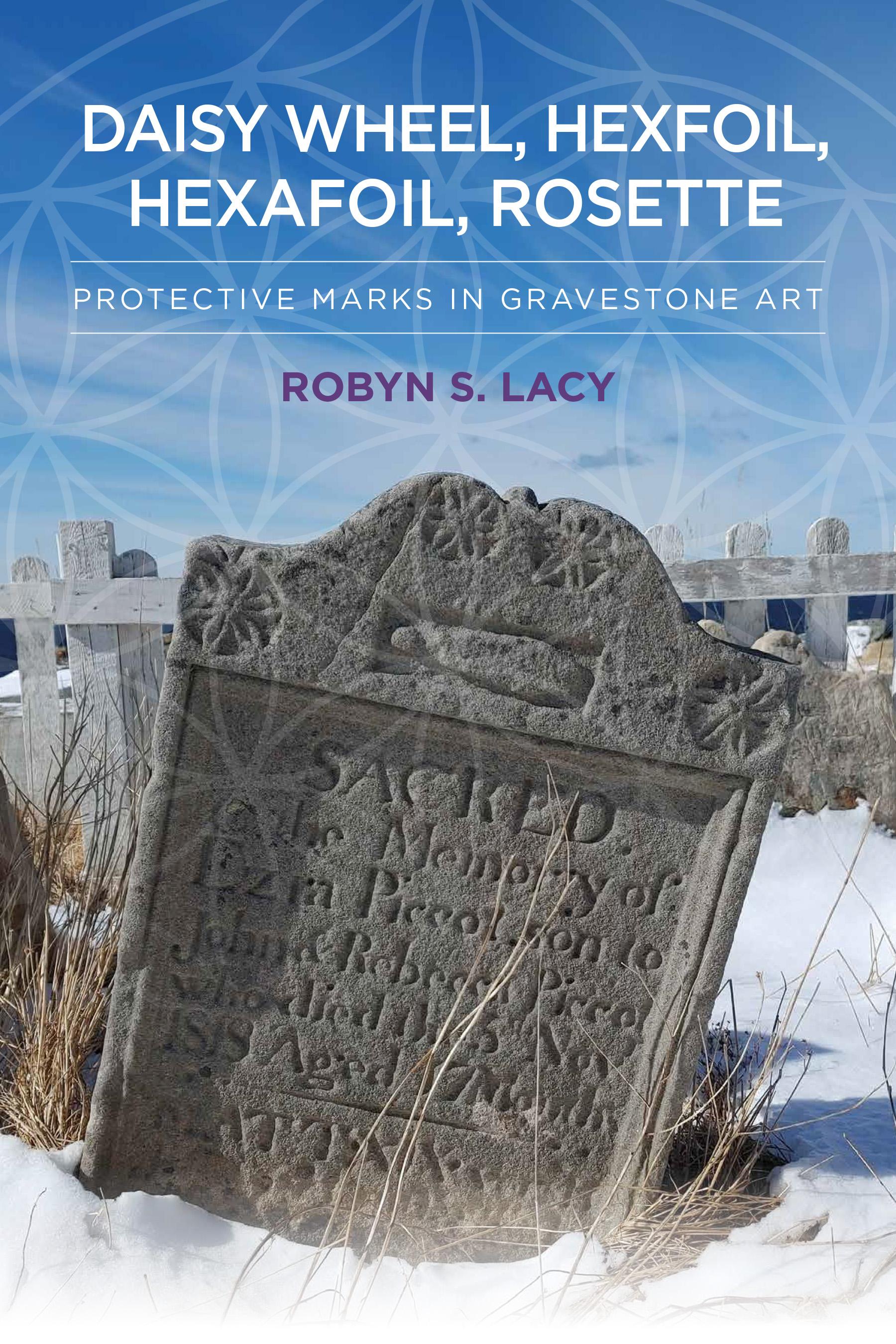
The use of protective symbols, also known as apotropaic marks, are often part of folk magic traditions, appearing in homes, churches, on personal items, and even graves, across Europe, Australia, and North America. The most common and well-known of these marks is the hexfoil, otherwise known as the daisy wheel, witch hex, or rosette. Hexfoils have a history of use for personal protection and were carved both intentionally or graffitied into church pews and walls, bed frames, doors, and gravestones. This research sheds light on the use of this historic symbol to protect the bodies and souls of the deceased, across several thousand years and multiple countries.
Betal nemt med kort, Klarna, Apple Pay eller Google Pay. Ikke tilfreds? Du har altid 14 dages fortrydelsesret. Læs mere i vores vilkår. Har du spørgsmål, så send os en mail på hello@memmo.org.
Memmo gør det nemmere at studere – uanset hvor du er i verden. Hos os samler du dine kursusbøger og smarte studieværktøjer ét sted: resuméer, quizzer, podcasts og flashcards. Og så er der Ted, din studieven, der svarer på alt, du undrer dig over. Over 50 000 studerende studerer allerede her – bygget til at hjælpe dig med at lære hurtigere og stresse mindre.