
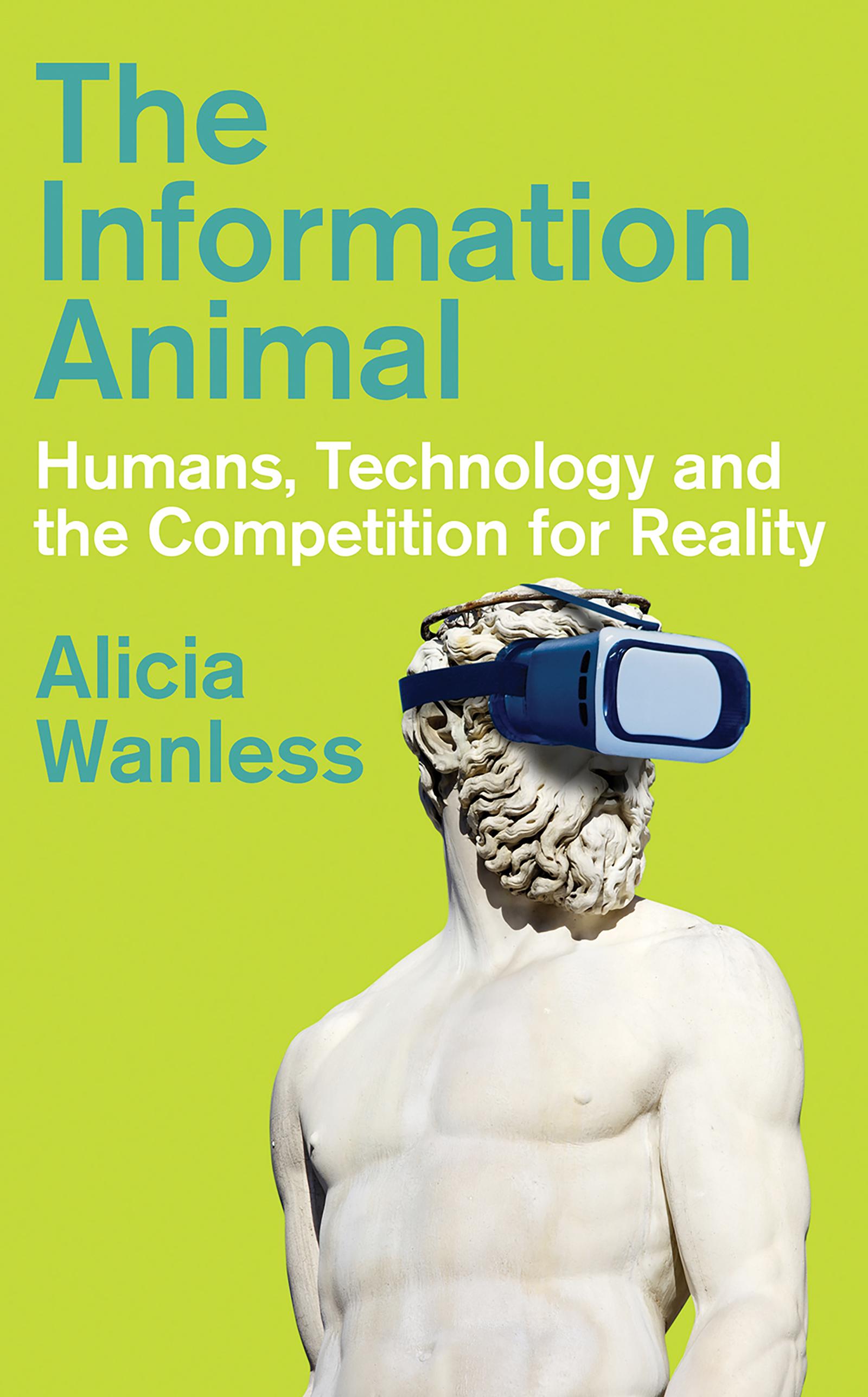
Depending on the news you read, new tools like AI will either save or destroy us. But our response to emerging technology’s ‘unprecedented’ threats actually follows a pattern as old as civilisation. From ancient Athens to COVID-19, social media to spam, Alicia Wanless shows how humans have always consumed information, whether accurate or not.
First a new technology changes how information is shared, broadening its availability and accelerating how fast it travels. Then, as more people engage with this new content, fresh ideas arise, often challenging prevailing beliefs. Some use the new tools to promote their views, win power or simply profit, adding to the mounting information pollution. Competition and conflict follow. We scramble—in vain—to control information flows and use of the new technology.
With democracies worldwide lurching from crisis to crisis, knee-jerk reactions to information conflict won’t suffice. What’s needed is an understanding of our nature as ‘information animals’, in a millennia-long relationship with technology—and of how a content-saturated world impacts the political battle for hearts and minds.
Betal nemt med kort, Klarna, Apple Pay eller Google Pay. Ikke tilfreds? Du har altid 14 dages fortrydelsesret. Læs mere i vores vilkår. Har du spørgsmål, så send os en mail på hello@memmo.org.
Memmo gør det nemmere at studere – uanset hvor du er i verden. Hos os samler du dine kursusbøger og smarte studieværktøjer ét sted: resuméer, quizzer, podcasts og flashcards. Og så er der Ted, din studieven, der svarer på alt, du undrer dig over. Over 50 000 studerende studerer allerede her – bygget til at hjælpe dig med at lære hurtigere og stresse mindre.