
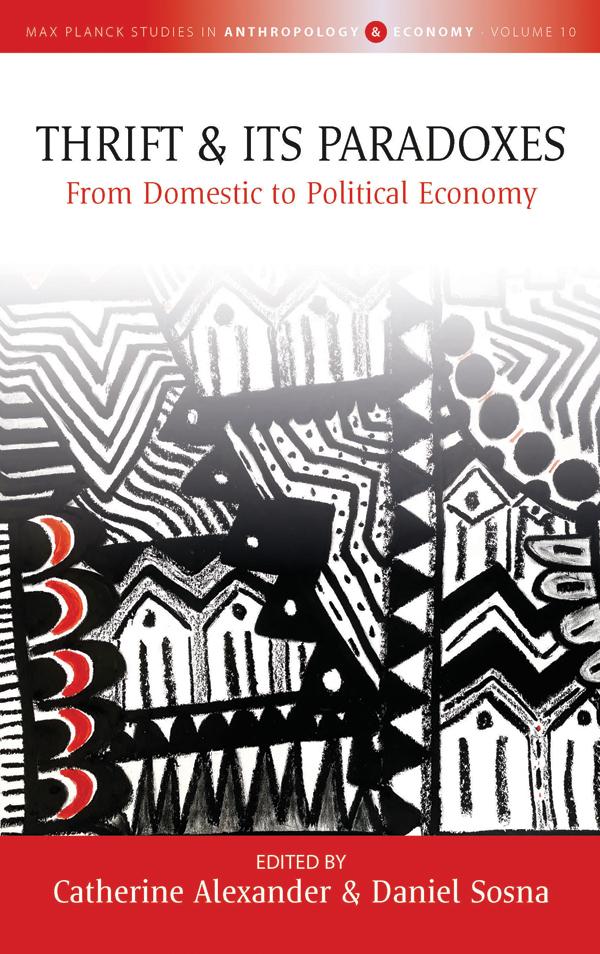
Thrift is a central concern for most people, especially in turbulent economic times. It is both an economic and an ethical logic of frugal living, saving and avoiding waste for long-term kin care. These logics echo the ancient ideal of household self-sufficiency, contrasting with capitalism’s wasteful present-focused growth. But thrift now exceeds domestic matters straying across scales to justify public expenditure cuts. Through a wide range of ethnographic contexts this book explores how practices and moralities of thrift are intertwined with austerity, debt, welfare, and patronage across various social and temporal scales and are constantly re-negotiated at the nexus of socio-economic, religious, and kinship ideals and praxis.
Betal nemt med kort, Klarna, Apple Pay eller Google Pay. Ikke tilfreds? Du har altid 14 dages fortrydelsesret. Læs mere i vores vilkår. Har du spørgsmål, så send os en mail på hello@memmo.org.
Memmo gør det nemmere at studere – uanset hvor du er i verden. Hos os samler du dine kursusbøger og smarte studieværktøjer ét sted: resuméer, quizzer, podcasts og flashcards. Og så er der Ted, din studieven, der svarer på alt, du undrer dig over. Over 50 000 studerende studerer allerede her – bygget til at hjælpe dig med at lære hurtigere og stresse mindre.