
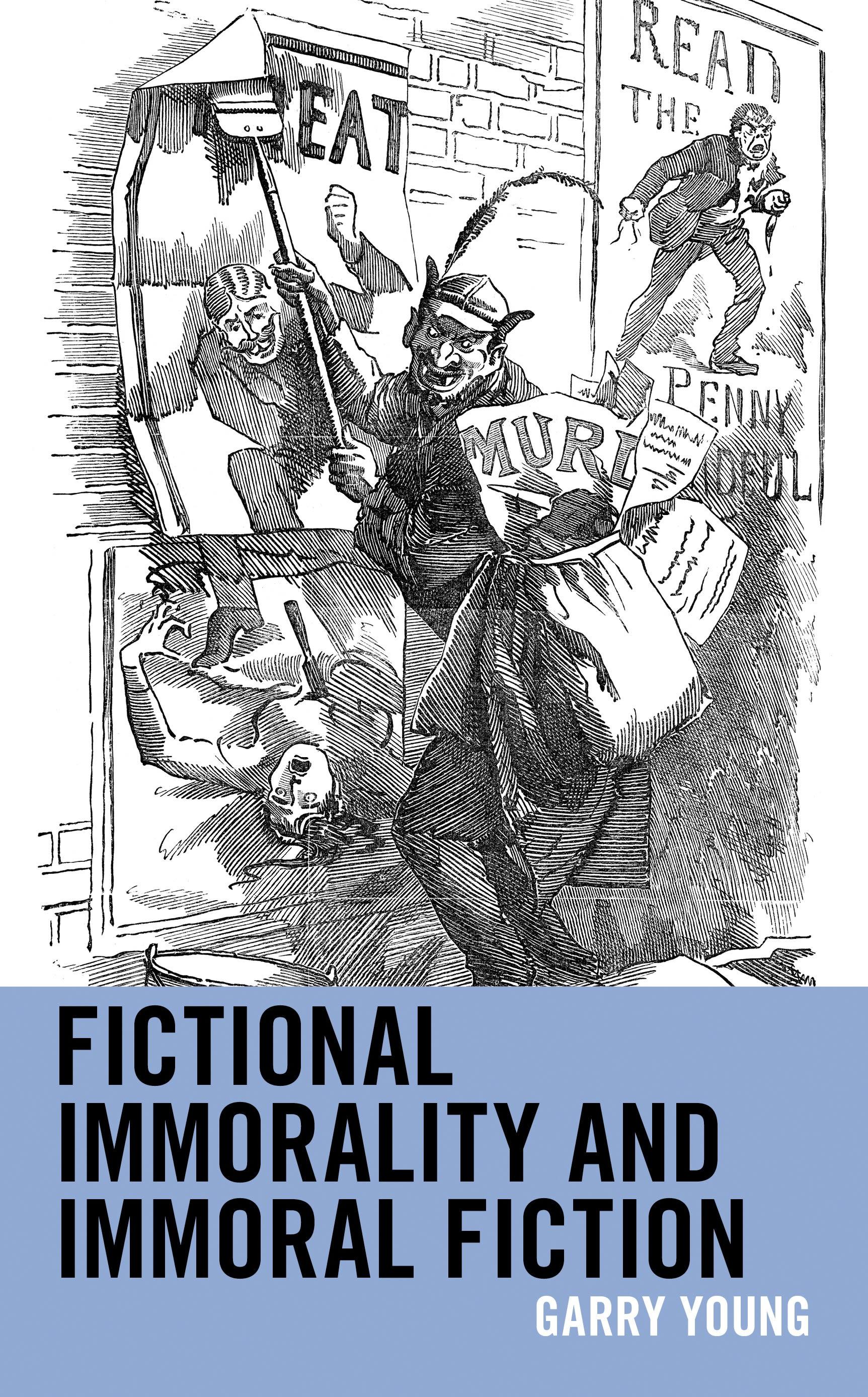
It is commonplace for fictional content to depict immoral activities: the kidnapping of a politician, for example, or the elaborate theft of a national treasure, or perhaps the gruesome proclivities of a sadistic murderer. These and similar depictions can be found across a range of media, and in varying degrees of detail and realism. Fictional Immorality and Immoral Fiction examines potential conditions for transforming fictional immorality into immoral fiction, in order to establish what makes a depiction of fictional immorality and/or one’s engagement with it immoral. To achieve this aim, Garry Young analyzes fictional content, its meaning, one’s motivation for engaging with it, and the medium in which the fiction is presented (such as film, literature, theatre, video games) using philosophical inquiry. The end result is a systematic examination of fictional immorality, which contributes toward debates on the morality of depicting and engaging with fictional immorality, as well as the reach of censorship and other forms of prohibition, especially when the act depicted is of the kind that would be most egregious if carried out in reality.
Betal nemt med kort, Klarna, Apple Pay eller Google Pay. Ikke tilfreds? Du har altid 14 dages fortrydelsesret. Læs mere i vores vilkår. Har du spørgsmål, så send os en mail på hello@memmo.org.
Memmo gør det nemmere at studere – uanset hvor du er i verden. Hos os samler du dine kursusbøger og smarte studieværktøjer ét sted: resuméer, quizzer, podcasts og flashcards. Og så er der Ted, din studieven, der svarer på alt, du undrer dig over. Over 50 000 studerende studerer allerede her – bygget til at hjælpe dig med at lære hurtigere og stresse mindre.