
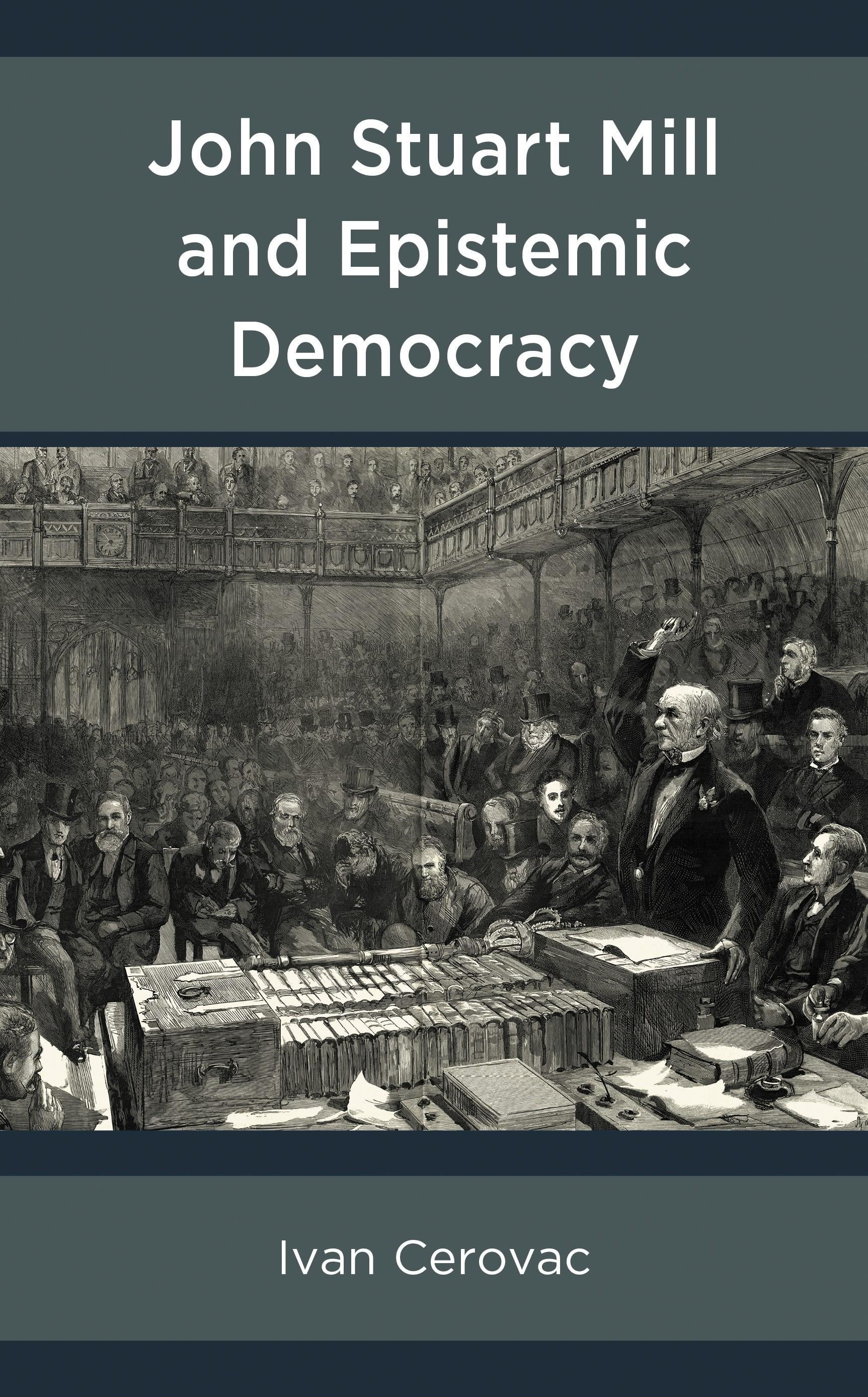
John Stuart Mill and Epistemic Democracy explores the epistemic, or cognitive, character of democratic institutional practices and the protection of basic liberties in Mill's political thought. Mapping Mill's theory of representative democracy and critically engaging Mill's more controversial issues, Ivan Cerovac identifies the epistemic criteria within these proposals and uses them as a basis for unifying Mill's political thought. The book addresses the epistemic role of wide democratic participation on the one hand and institutional mechanisms used to filter the public will—such as political representation, plural voting proposals, partisanship, division of epistemic and political labor—on the other, and it analyzes how Mill tries to resolve the conflict between political and epistemic values. Characterizing Mill as both a political instrumentalist and an epistemic democrat, Cerovac sets Mill's theory in a broader explanatory framework and compares it with contemporary accounts of epistemic justification. Emphasizing Mill's normative considerations regarding franchise and the exercise of political power over others, this book discusses how to implement the epistemic ideal in real-world politics. It will be a fascinating read for anyone interested in democratic decision-making.
Betal nemt med kort, Klarna, Apple Pay eller Google Pay. Ikke tilfreds? Du har altid 14 dages fortrydelsesret. Læs mere i vores vilkår. Har du spørgsmål, så send os en mail på hello@memmo.org.
Memmo gør det nemmere at studere – uanset hvor du er i verden. Hos os samler du dine kursusbøger og smarte studieværktøjer ét sted: resuméer, quizzer, podcasts og flashcards. Og så er der Ted, din studieven, der svarer på alt, du undrer dig over. Over 50 000 studerende studerer allerede her – bygget til at hjælpe dig med at lære hurtigere og stresse mindre.