
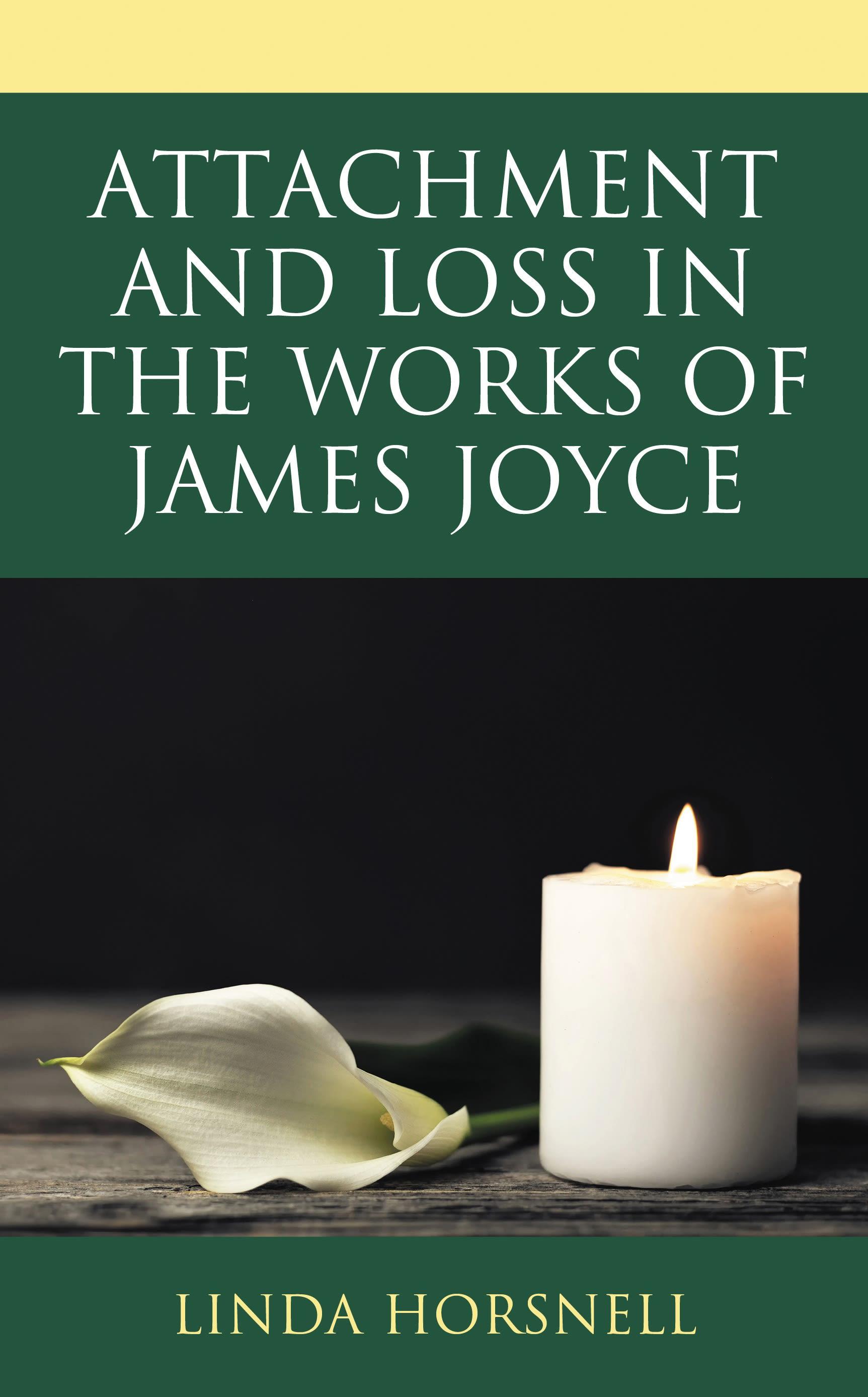
Using John Bowlby's Attachment Theory as a frame of reference, Attachment and Loss in the Works of James Joyce critically analyzes James Joyce's representation of grief. Based on cognitive, emotional and behavioral elements, Attachment Theory allows for new and innovative readings to emerge which differ from those offered by Freudian, Lacanian, and Jungian paradigms. Acknowledging the importance of the Theory of Mind and Reader Response, this book uses the concept of internal working models to elucidate how the childhood experiences with which Joyce has endowed his protagonists ultimately leads to how they respond to loss. The texts of Dubliners, Portrait of the Artist and Ulysses, show how central separation and loss were to Joyce’s work. It provides examples of such experiences in different age groups, under differing circumstances and at different stages in the grief process. Attachment Theory highlights the complexity of human relationships throughout the life cycle, not only how they can affect the grief process but how grief affects them.
Betal nemt med kort, Klarna, Apple Pay eller Google Pay. Ikke tilfreds? Du har altid 14 dages fortrydelsesret. Læs mere i vores vilkår. Har du spørgsmål, så send os en mail på hello@memmo.org.
Memmo gør det nemmere at studere – uanset hvor du er i verden. Hos os samler du dine kursusbøger og smarte studieværktøjer ét sted: resuméer, quizzer, podcasts og flashcards. Og så er der Ted, din studieven, der svarer på alt, du undrer dig over. Over 50 000 studerende studerer allerede her – bygget til at hjælpe dig med at lære hurtigere og stresse mindre.