
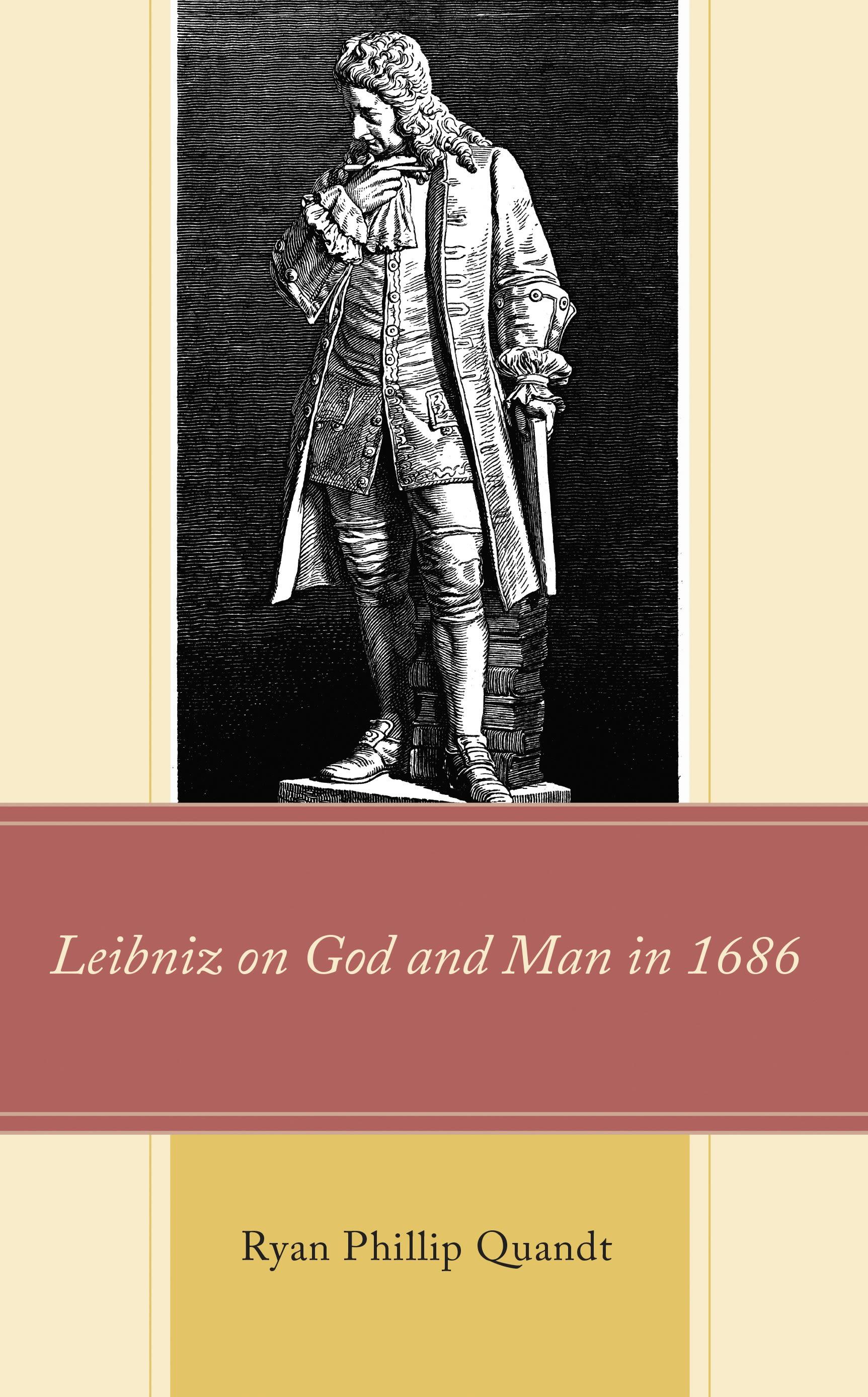
G. W. Leibniz’s Discourse on Metaphysics is viewed by many scholars as a milestone of his mature thought—his first attempt to systematize various stances. A lengthier, theological work, Examination of the Christian Religion, written a few months after, receives less press. While Leibniz’s intent for writing the theological piece may be left for speculation, Leibniz on God and Man in 1686 demonstrates that there is clear overlap between these two texts. Leibniz borrows from the metaphysics and physics of Discourse in his theology, and he writes that his metaphysical tract addresses “questions on grace, God’s concourse with creatures, the nature of miracles, the cause of sin and the origin of evil, the immortality of the soul, ideas, etc.” Despite challenges for drawing them close, Ryan Phillip Quandt argues that these texts converge in the moral quality of God and man that Leibniz took as the cornerstone of his system in 1686. Discourse coheres in a moral and scientific vision, while Examination centers on moral commitments. Love of God is their shared ideal.
Betal nemt med kort, Klarna, Apple Pay eller Google Pay. Ikke tilfreds? Du har altid 14 dages fortrydelsesret. Læs mere i vores vilkår. Har du spørgsmål, så send os en mail på hello@memmo.org.
Memmo gør det nemmere at studere – uanset hvor du er i verden. Hos os samler du dine kursusbøger og smarte studieværktøjer ét sted: resuméer, quizzer, podcasts og flashcards. Og så er der Ted, din studieven, der svarer på alt, du undrer dig over. Over 50 000 studerende studerer allerede her – bygget til at hjælpe dig med at lære hurtigere og stresse mindre.