
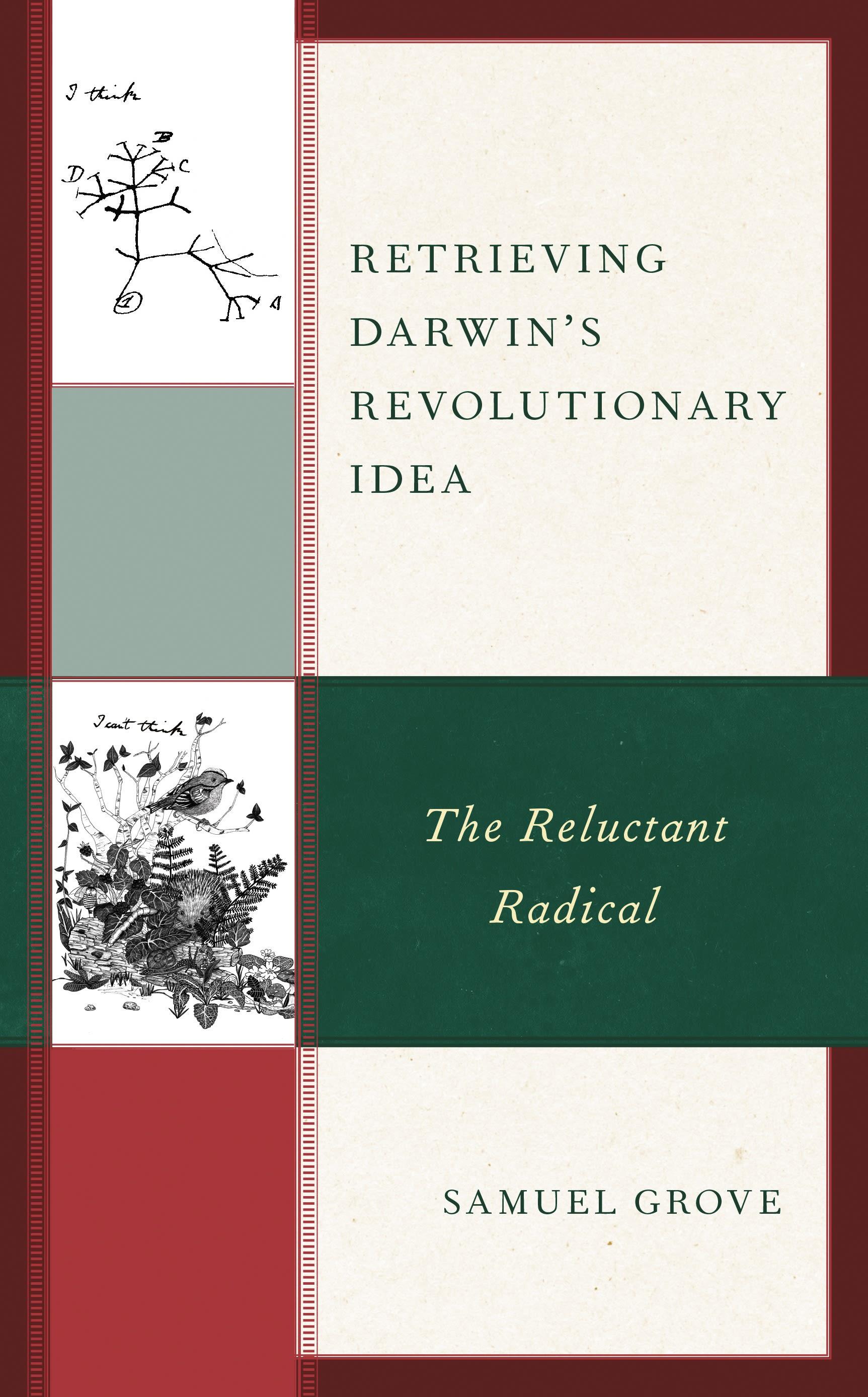
Darwin's discovery of evolution is as celebrated as Galileo's laws of motion or Newton's discovery of gravity. But this was only half the story. Not content to prove that evolution had happened, Darwin sought to convey its full humbling implications. Thus he formulated the theory of natural selection. Contrary to popular belief, this theory ran exactly counter to scientific reason and was consequently rejected by the scientific community of the time. This wasn’t the only reason Darwin’s critics recoiled. His theory robbed the ruling orders of any easy recourse to consolatory tales of nature’s harmony and design. The fate of his ideas, for the time being at least, would be left to the heretics he inspired in other domains. Darwin's radical thought anticipated Nietzsche's Godless philosophy, Marx's class-based economics and Freud's psychological theories of the unconscious. It would take a further 80 years for Darwinism to become accepted as mainstream science, but it came at the expense of its counter-scientific core. For the remainder of the twentieth century a popularized Darwinism would become the touchstone for backlash movements in philosophy, economics and psychology—disciplines he once so radicalized. This is the story of how the most revolutionary idea of the nineteenth century became the most reactionary idea of the twentieth.
Betal nemt med kort, Klarna, Apple Pay eller Google Pay. Ikke tilfreds? Du har altid 14 dages fortrydelsesret. Læs mere i vores vilkår. Har du spørgsmål, så send os en mail på hello@memmo.org.
Memmo gør det nemmere at studere – uanset hvor du er i verden. Hos os samler du dine kursusbøger og smarte studieværktøjer ét sted: resuméer, quizzer, podcasts og flashcards. Og så er der Ted, din studieven, der svarer på alt, du undrer dig over. Over 50 000 studerende studerer allerede her – bygget til at hjælpe dig med at lære hurtigere og stresse mindre.