
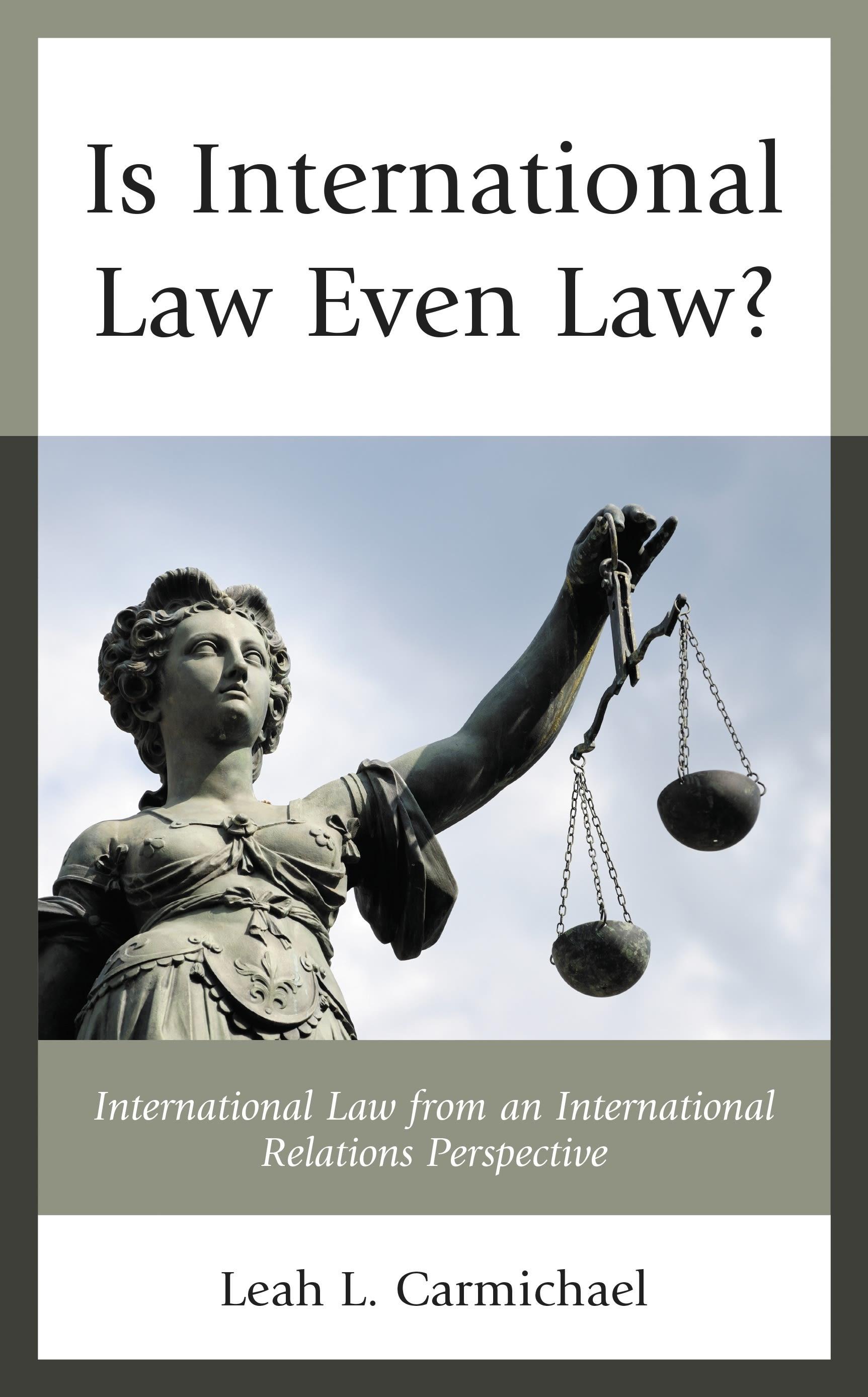
International law is so fundamentally distinct from domestic law that some even question whether it is the law at all. Unlike domestic law, in which the state can create, enforce, and interpret the laws, there is no higher authority above states in international law. As a result, states serve as both creators, enforcers, and adjudicators of international law and are subject to it. Most confoundingly, even though there is no higher authority than states in the international system, states tend to comply with international law most of the time. Further, when they do violation international law, they go to great lengths to defend their actions as within compliance with the law. To understand when and why states treat international “law” as the law in our international system, one must understand both the components of a sound legal argument and the political motivations shaping how laws are created, when they are followed, and when they are ignored.
Betal nemt med kort, Klarna, Apple Pay eller Google Pay. Ikke tilfreds? Du har altid 14 dages fortrydelsesret. Læs mere i vores vilkår. Har du spørgsmål, så send os en mail på hello@memmo.org.
Memmo gør det nemmere at studere – uanset hvor du er i verden. Hos os samler du dine kursusbøger og smarte studieværktøjer ét sted: resuméer, quizzer, podcasts og flashcards. Og så er der Ted, din studieven, der svarer på alt, du undrer dig over. Over 50 000 studerende studerer allerede her – bygget til at hjælpe dig med at lære hurtigere og stresse mindre.