
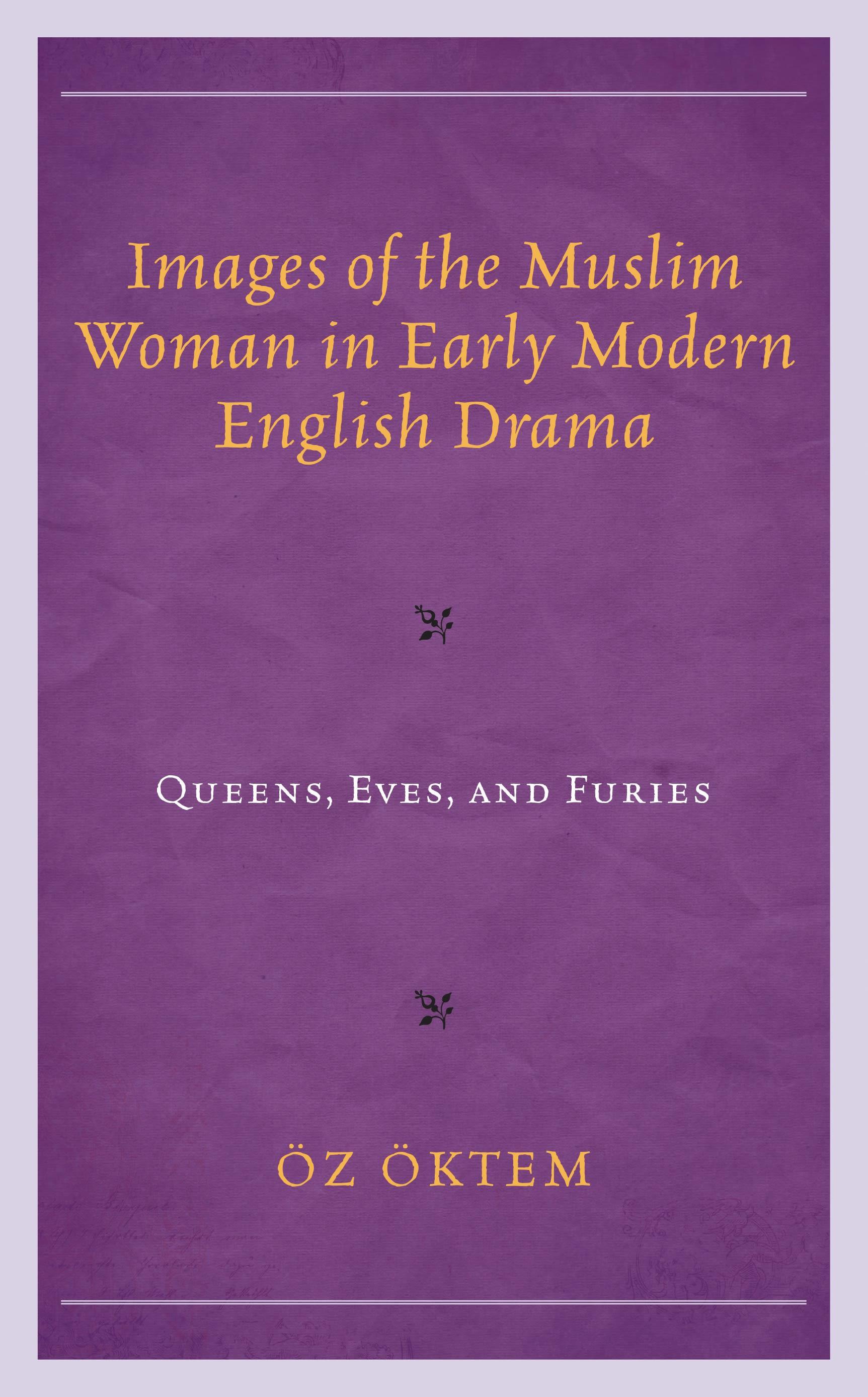
Early modern scholarship often reads the dramatic representations of the Muslim woman in the light of postcolonial identity politics, which sees an organic relationship between the West’s historical domination of the East and the Western discourse on the East. This book problematizes the above trajectory by arguing that the assumption of a power relation between a dominating West and a subordinate East cannot be sustained within the context of the political and historical realities of early modern Europe. The Ottoman Empire remained as a dominant superpower throughout the sixteenth and seventeenth centuries and was perceived by Protestant England both as a military and religious threat and as a possible ally against Catholic Spain. Reading a series of early modern plays from Marlowe to Beaumont and Fletcher alongside a number of historical sources and documents, this book re-interprets the image of Islamic femininity in the period’s drama to reflect this overturn in the world’s power balances, as well as the intricate dynamics of England’s intensified contact with Islam in the Mediterranean.
Sider: 192
Kategori: Kultur-, Genus- & Postkoloniala studier
e-ISBN: 9781793625236
Forsendelsesvægt: 1.2 kg
Sendes inden for: 1-2 dage
Betal nemt med kort, Klarna, Apple Pay eller Google Pay. Ikke tilfreds? Du har altid 14 dages fortrydelsesret. Læs mere i vores vilkår. Har du spørgsmål, så send os en mail på hello@memmo.org.
Memmo gør det nemmere at studere – uanset hvor du er i verden. Hos os samler du dine kursusbøger og smarte studieværktøjer ét sted: resuméer, quizzer, podcasts og flashcards. Og så er der Ted, din studieven, der svarer på alt, du undrer dig over. Over 50 000 studerende studerer allerede her – bygget til at hjælpe dig med at lære hurtigere og stresse mindre.