
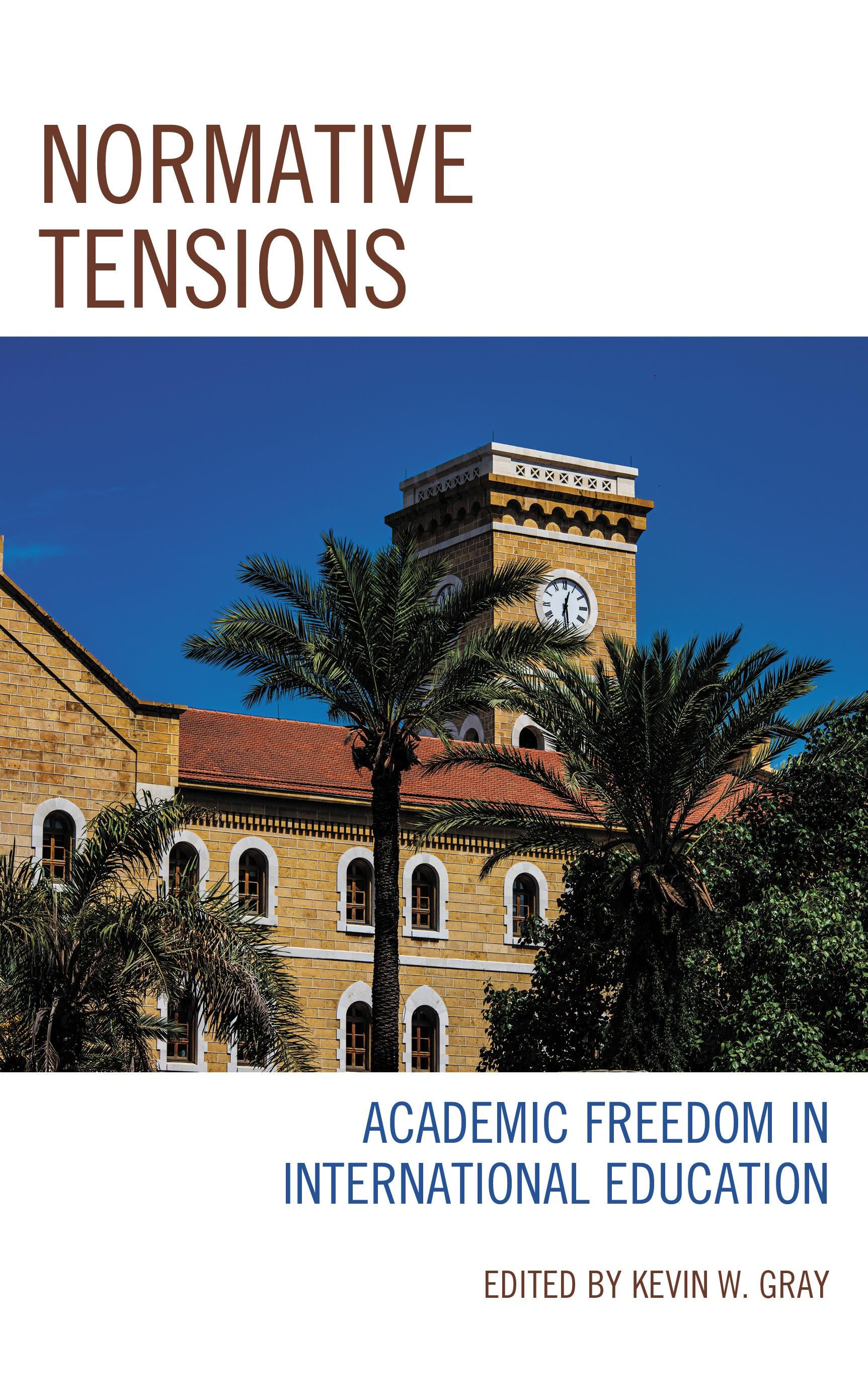
The expansion of Western education overseas has been both an economic success, if the numbers of American, European, and Australian universities setting up campuses in Asia and the Middle East is a measure -- and a source of consternation for academics concerned with norms of free inquiry and intellectual freedom. Faculty at Western campuses have resisted the new satellite campuses, fearing that colleagues on those campuses would be less free to teach and engage in intellectual inquiry, and that students could be denied the free inquiry normally associated with liberal arts education. Critics point to the denial of visas to academics wishing to carry out research on foreign campuses, the sudden termination of employment at schools in both the Middle East and Asia, or the last-minute cancellation of courses at those schools, as evidence that they were correctly suspicious of the possibility that liberal arts programs could exist in those regions. Supporters of the project have argued that opening up foreign campuses brings free inquiry to closed societies, improves educational opportunities for students who would otherwise be denied them, or, perhaps less frequently, that free inquiry will be no more pressured than in the United States or Western Europe. Normative Tensions examines the consequences not only of expansion overseas, but the increased opening of universities to foreign students.
Betal nemt med kort, Klarna, Apple Pay eller Google Pay. Ikke tilfreds? Du har altid 14 dages fortrydelsesret. Læs mere i vores vilkår. Har du spørgsmål, så send os en mail på hello@memmo.org.
Memmo gør det nemmere at studere – uanset hvor du er i verden. Hos os samler du dine kursusbøger og smarte studieværktøjer ét sted: resuméer, quizzer, podcasts og flashcards. Og så er der Ted, din studieven, der svarer på alt, du undrer dig over. Over 50 000 studerende studerer allerede her – bygget til at hjælpe dig med at lære hurtigere og stresse mindre.