
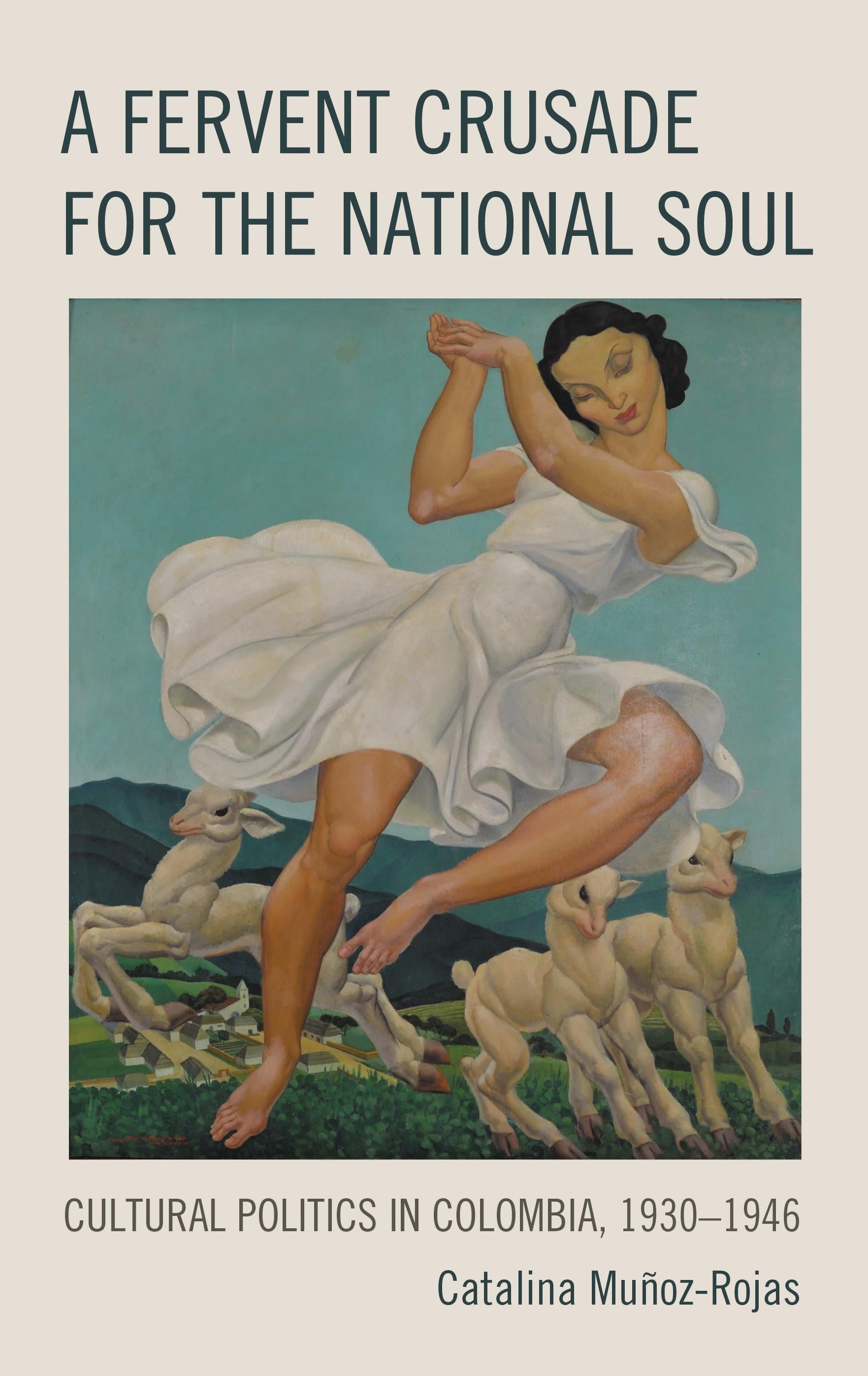
A Fervent Crusade for the National Soul examines the implementation of cultural policies in relation to the contested configuration of citizenship in Colombia between 1930 and 1946. At a time when national identities were re-imagined all over the Americas, progressive artists and intellectuals affiliated with the liberal governments that ruled Colombia established an unprecedented bureaucratic apparatus for cultural intervention that celebrated so-called “popular culture” and rendered culture a social right. This book challenges pervasive narratives of state failure in Colombia, attending to the confrontations, negotiations, and entanglements of bureaucrats with everyday citizens that shaped the relationship between the ruler and the ruled. Catalina Muñoz argues that while culture became an instrument of inclusion, the liberal definition of popular culture as authentic and static was also a tool for domination that reinforced enduring structures of inequality founded on region, race, and gender. Liberals crafted the state as the paternalistic protector of acquiescent citizens, instead of a warden of political participation. Muñoz suggests that this form of governance allowed the elites to rule without making the structural changes required to craft a more equal society.
Betal nemt med kort, Klarna, Apple Pay eller Google Pay. Ikke tilfreds? Du har altid 14 dages fortrydelsesret. Læs mere i vores vilkår. Har du spørgsmål, så send os en mail på hello@memmo.org.
Memmo gør det nemmere at studere – uanset hvor du er i verden. Hos os samler du dine kursusbøger og smarte studieværktøjer ét sted: resuméer, quizzer, podcasts og flashcards. Og så er der Ted, din studieven, der svarer på alt, du undrer dig over. Over 50 000 studerende studerer allerede her – bygget til at hjælpe dig med at lære hurtigere og stresse mindre.