
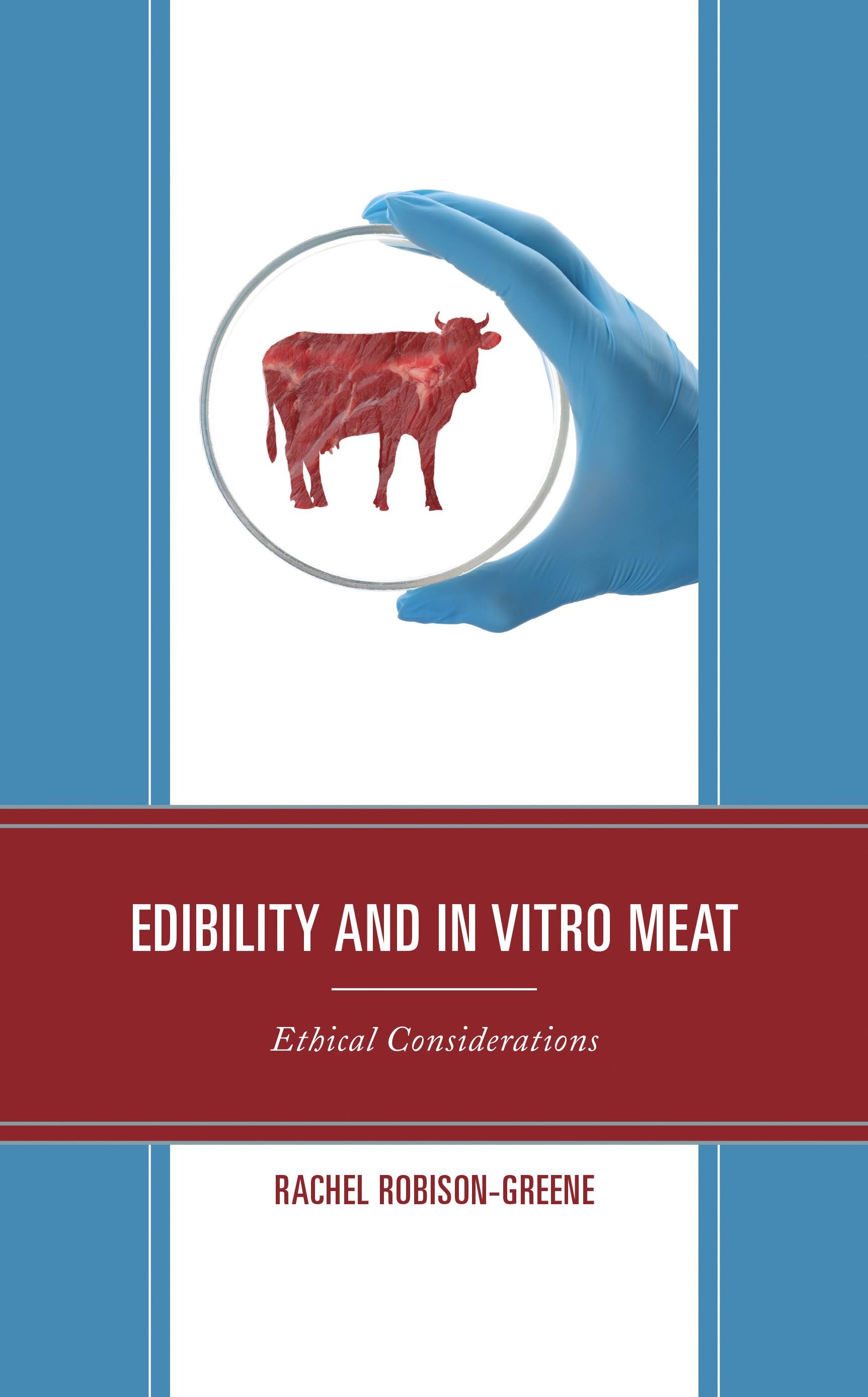
Consumers and policy makers have unprecedented choices to make in the years to come about how and what we eat. If we continue down our current path of food production, we risk ever-increasing levels of animal exploitation, environmental destruction, biodiversity loss, and challenges to human health. In vitro meat production, or the process of growing meat in a lab, has the potential to reduce the severity of these problems. This proposal would change our food systems dramatically. Edibility and In Vitro Meat: Ethical Considerations explores the ethical questions that it’s important to ask every stage of this process. Rachel Robison-Greene considers arguments for and against the production of in vitro meat, as well as challenges for implementation. She argues that in vitro meat should be implemented and that we should re-think how we use the term “edible.”
Betal nemt med kort, Klarna, Apple Pay eller Google Pay. Ikke tilfreds? Du har altid 14 dages fortrydelsesret. Læs mere i vores vilkår. Har du spørgsmål, så send os en mail på hello@memmo.org.
Memmo gør det nemmere at studere – uanset hvor du er i verden. Hos os samler du dine kursusbøger og smarte studieværktøjer ét sted: resuméer, quizzer, podcasts og flashcards. Og så er der Ted, din studieven, der svarer på alt, du undrer dig over. Over 50 000 studerende studerer allerede her – bygget til at hjælpe dig med at lære hurtigere og stresse mindre.