
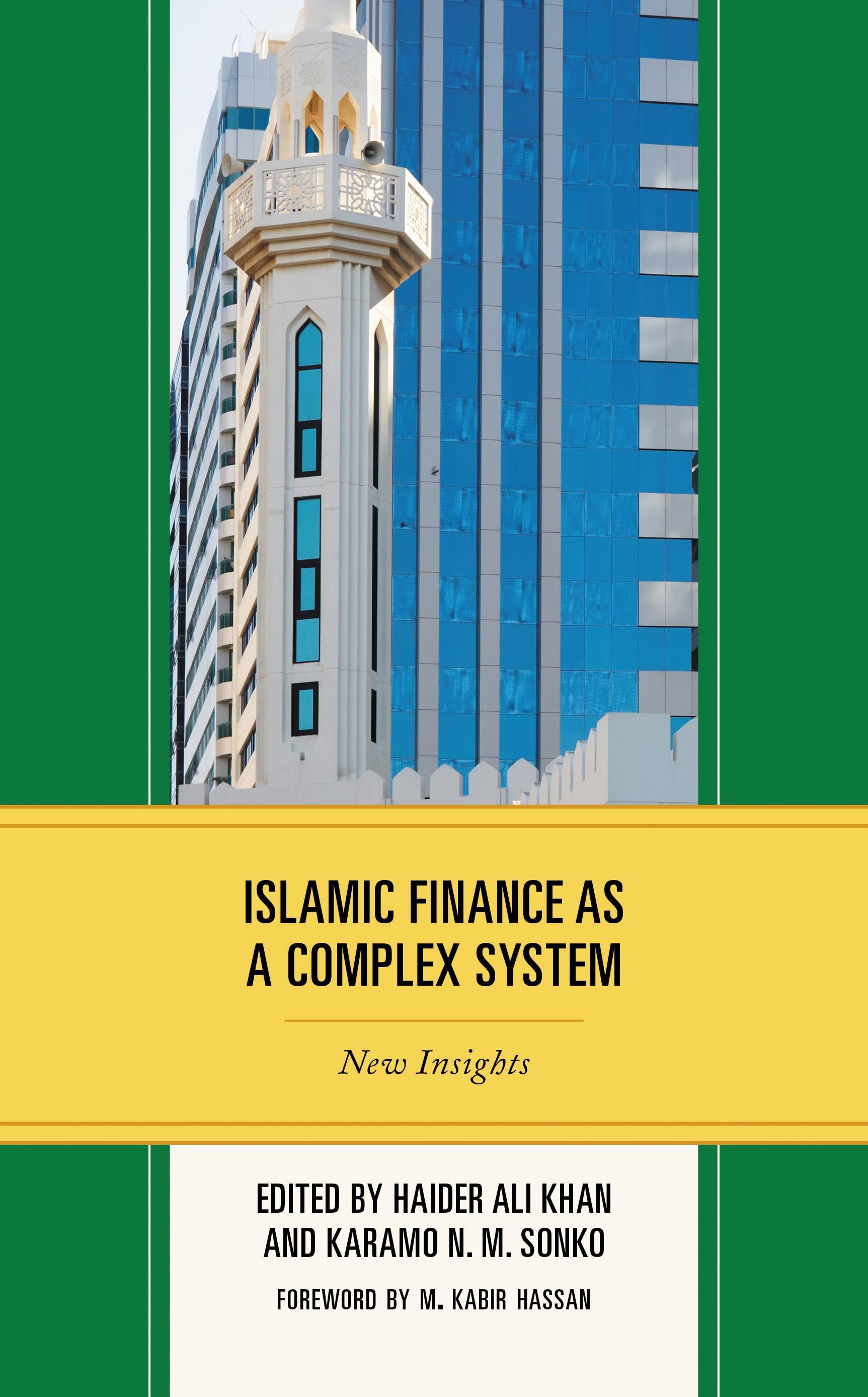
There has been a rapid increase in the interest in the study of Islamic finance, resulting in a dramatic rise in financing since the beginning of the century. By the end of 2017 global industry assets had reached $2.4 trillion and were forecasted to reach $3.2 trillion by 2020, despite historic challenges to Islam itself at the same time. This collection of chapters provides key theoretical, empirical, and policy insights into Islamic finance from an overall complex financial and economic systems perspective. Within the complex financial and economic systems framework, this book addresses questions such as how to conceptualize Islamic financial institutions in a nonlinear general equilibrium system, how to promote Islamic Finance in Africa, how “Islamic” is Islamic finance, and how it affects price stability, among other topics. The book provides case studies in Africa and Asia, addresses the subject in a structural financial CGE model, demonstrates the development impact of Islamic finance, and presents an Islamic version of the Iceland Plan for Monetary Reform.
Betal nemt med kort, Klarna, Apple Pay eller Google Pay. Ikke tilfreds? Du har altid 14 dages fortrydelsesret. Læs mere i vores vilkår. Har du spørgsmål, så send os en mail på hello@memmo.org.
Memmo gør det nemmere at studere – uanset hvor du er i verden. Hos os samler du dine kursusbøger og smarte studieværktøjer ét sted: resuméer, quizzer, podcasts og flashcards. Og så er der Ted, din studieven, der svarer på alt, du undrer dig over. Over 50 000 studerende studerer allerede her – bygget til at hjælpe dig med at lære hurtigere og stresse mindre.