
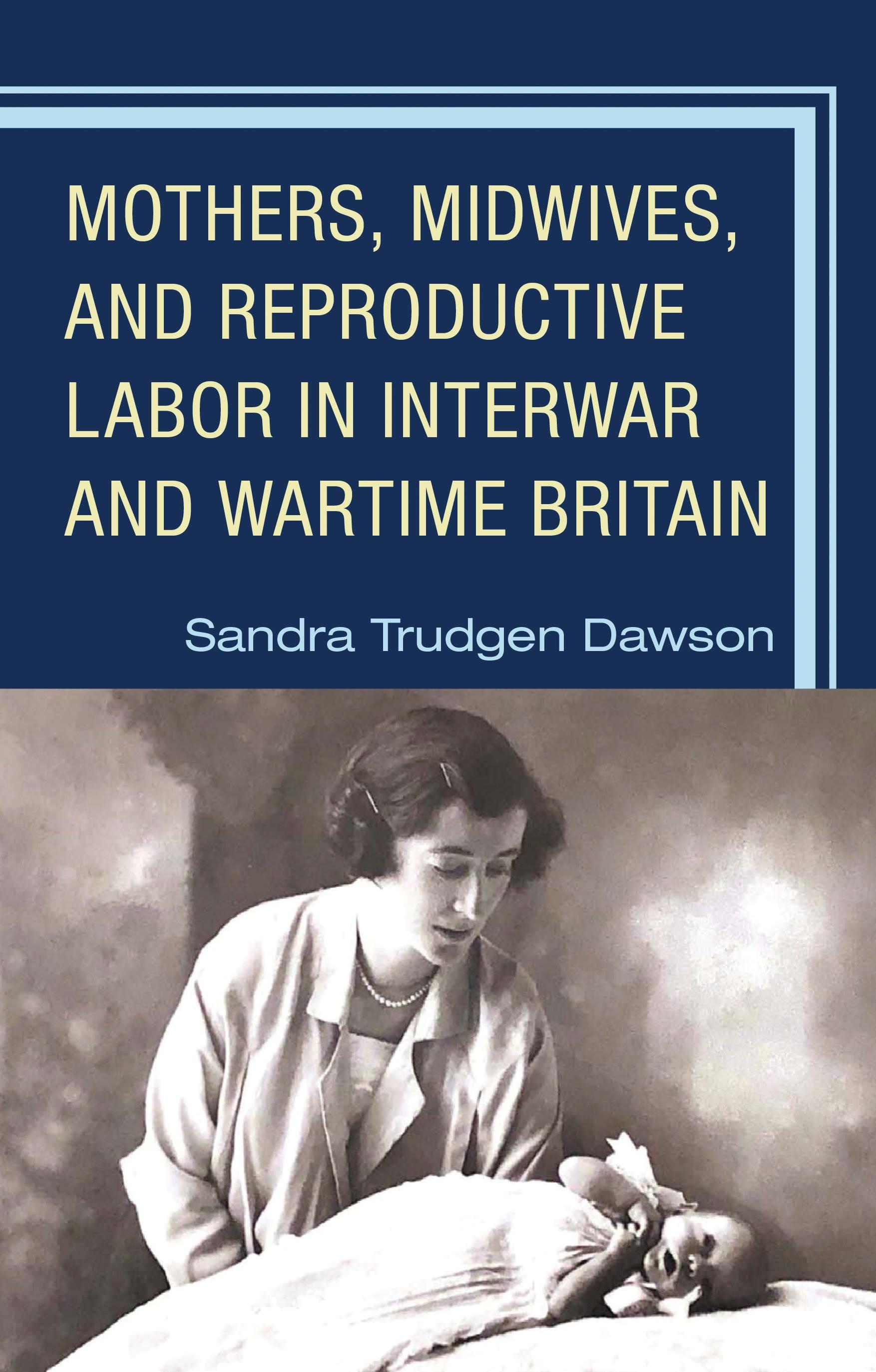
Mothers, Midwives, and Reproductive Labor in Interwar and Wartime Britain is about the experiences of mothers and midwives as they navigated the changing political and social issues surrounding childbirth and motherhood during interwar and wartime Britain. The needs and agency of women as mothers and midwives often conflicted with the ideals of the state. While government officials understood the importance of safe childbirth to the nation, they also chose to allow economic crises and war preparation to take precedence. The interwar plans for a national maternal healthcare system met financial constraints and a lack of political will. As the outbreak of the Second World War appeared imminent, politicians planned for pregnant women and those with small children to evacuate from cities. The reception areas were less well planned and pregnant women returned to their homes rather than deliver among strangers. Wartime maternity provision didn’t take into account the needs and desires of mothers and midwives. Reproductive laborers—mothers and midwives--demonstrated agency throughout the period. Pregnant women chose to deliver at home with untrained or trained birth attendants; midwives entered and left the profession on their own terms, offering or withholding their skills when it suited individual need, rather than at the behest of government.
Betal nemt med kort, Klarna, Apple Pay eller Google Pay. Ikke tilfreds? Du har altid 14 dages fortrydelsesret. Læs mere i vores vilkår. Har du spørgsmål, så send os en mail på hello@memmo.org.
Memmo gør det nemmere at studere – uanset hvor du er i verden. Hos os samler du dine kursusbøger og smarte studieværktøjer ét sted: resuméer, quizzer, podcasts og flashcards. Og så er der Ted, din studieven, der svarer på alt, du undrer dig over. Over 50 000 studerende studerer allerede her – bygget til at hjælpe dig med at lære hurtigere og stresse mindre.