
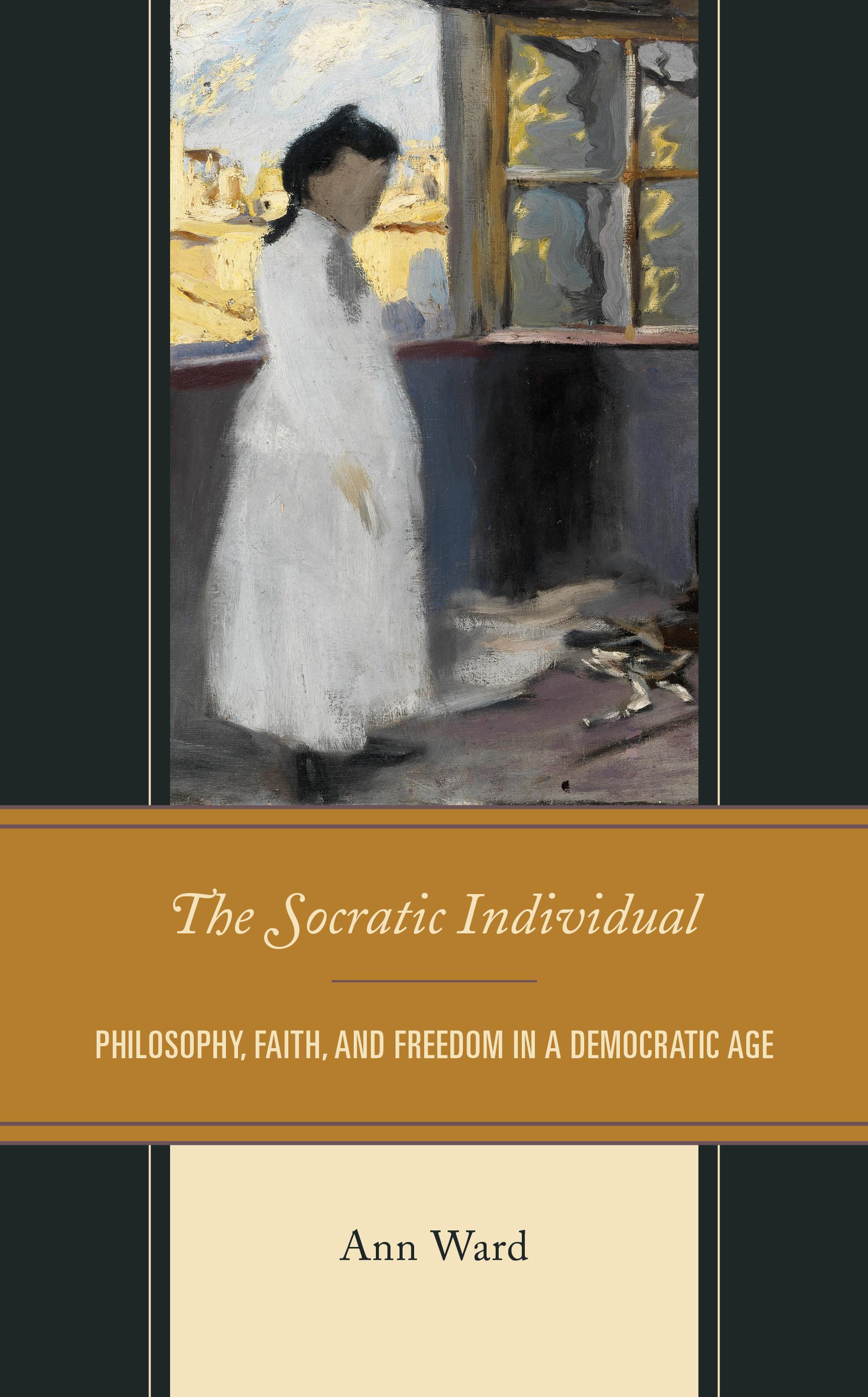
The author explores the recovery of Socratic philosophy in the political thought of G.W.F. Hegel, Soren Kierkegaard, John Stuart Mill, and Friedrich Nietzsche. Ward identifies the cause of the renewed interest in Socrates in Hegel’s call for the absorption of the individual within the modern, liberal state and the concomitant claim that Socratic skepticism should cease because history has reached its end and perfection. Recoiling from Hegel’s attempt to chain the individual within the “cave,” nineteenth century thinkers push back against his deification of the state. Yet, underlying Kierkegaard, Mill and Nietzsche’s turn to Socrates is their acceptance of Hegel’s critique of the liberal conception of the rights-bearing individual. Like Hegel, they agree that such an individual is an unworthy competitor to the state. In search of a noble individual to hold up against the state and counter the belief in the “end” of history, Kierkegaard, Mill and Nietzsche bring back and transform Socrates in significant ways. For Kierkegaard the Socratic philosopher in modern times is the person of faith, for Mill the public intellectual whose idiosyncratic identity arises from the freedom of speech, and for Nietzsche the Dionysian artist. Each model the beauty of individuality in our democratic age.
Betal nemt med kort, Klarna, Apple Pay eller Google Pay. Ikke tilfreds? Du har altid 14 dages fortrydelsesret. Læs mere i vores vilkår. Har du spørgsmål, så send os en mail på hello@memmo.org.
Memmo gør det nemmere at studere – uanset hvor du er i verden. Hos os samler du dine kursusbøger og smarte studieværktøjer ét sted: resuméer, quizzer, podcasts og flashcards. Og så er der Ted, din studieven, der svarer på alt, du undrer dig over. Over 50 000 studerende studerer allerede her – bygget til at hjælpe dig med at lære hurtigere og stresse mindre.