
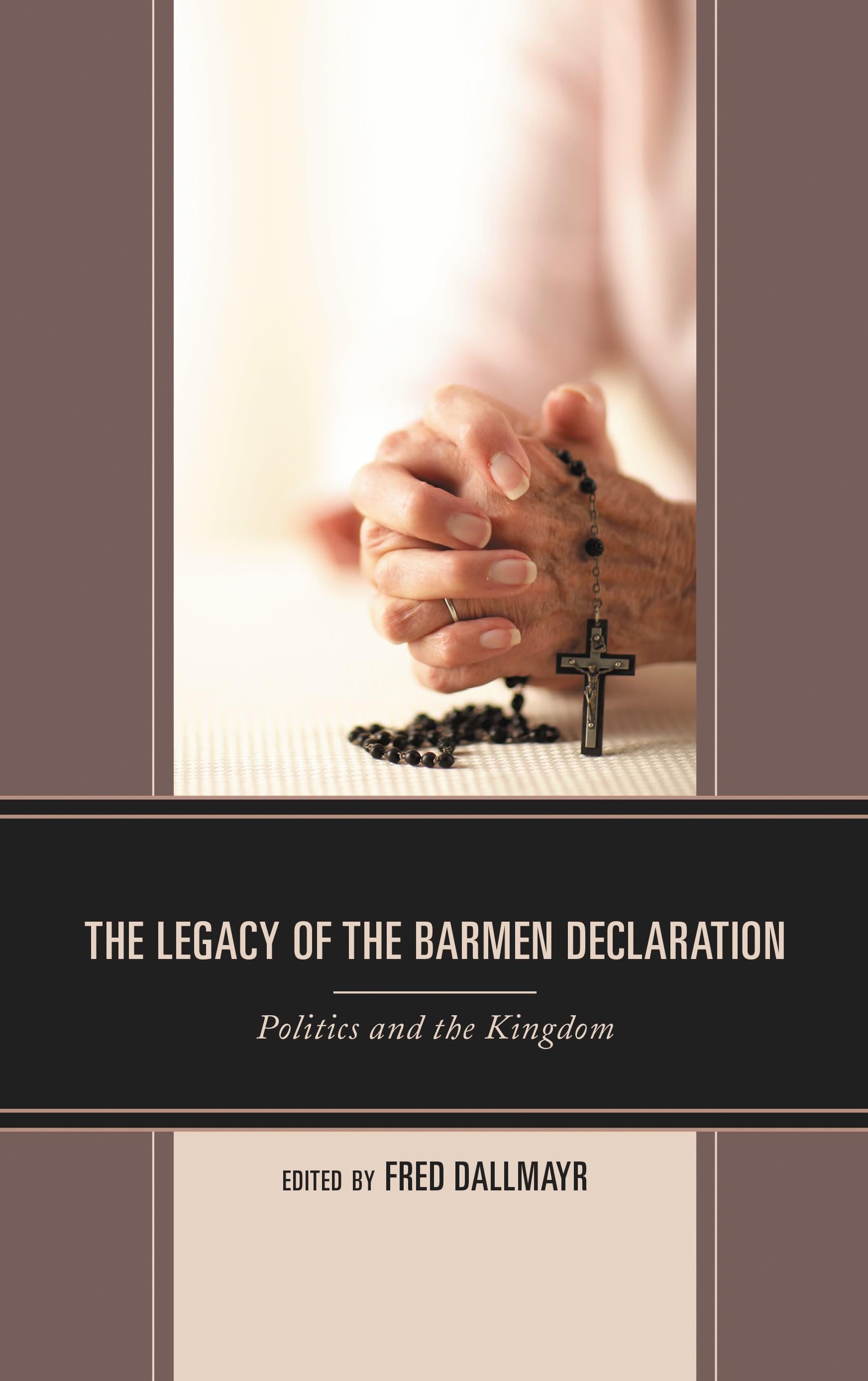
In 1934, during the Nazi regime in Germany, members of the Confessing Church issued the Declaration of Barmen, which reaffirmed their primary loyalty to the word of God. With their action, they established a legacy for future generations to follow in similar situations.This volume examines the historical, political, and theological context of the creation of the Barmen Declaration, as it constituted an act of theological and political resistance against tyranny, terror, and fascism. The work of the Barmen Declaration demonstrated clearly and powerfully the "this-worldly" ethical and political salience of religion and theology to empower witness, resistance, and solidarity. Containing contributions from an inclusive array of renowned scholars, the volume unfolds the lasting legacy and continued relevance of Barmen.
Betal nemt med kort, Klarna, Apple Pay eller Google Pay. Ikke tilfreds? Du har altid 14 dages fortrydelsesret. Læs mere i vores vilkår. Har du spørgsmål, så send os en mail på hello@memmo.org.
Memmo gør det nemmere at studere – uanset hvor du er i verden. Hos os samler du dine kursusbøger og smarte studieværktøjer ét sted: resuméer, quizzer, podcasts og flashcards. Og så er der Ted, din studieven, der svarer på alt, du undrer dig over. Over 50 000 studerende studerer allerede her – bygget til at hjælpe dig med at lære hurtigere og stresse mindre.