
A 2022 Choice Reviews Outstanding Academic Title
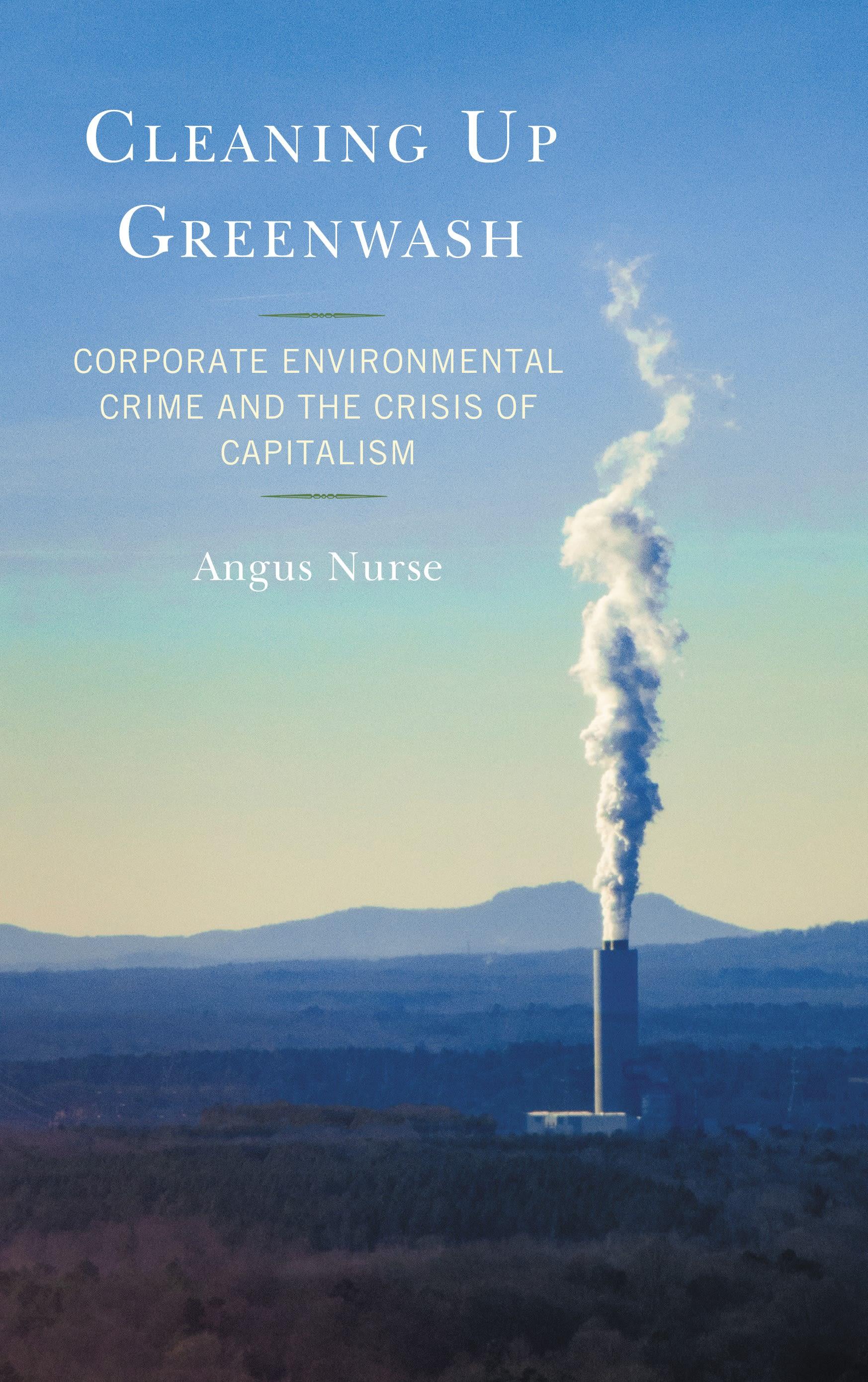
Through a green criminological perspective, Angus Nurse examines the contemporary reality of corporate environmental crime and illegal activities that have become normalized within many major corporations. Arguably this is an inevitable consequence of a corporate culture that prioritizes profits and the smooth operation of market activities over environmental concerns coupled with the increased political power of major corporations that can act almost with impunity and where problems do occur, can literally buy itself out of trouble. These same corporations are broadly perceived as being responsible actors. However, Nurse argues that corporate environmental offending is often deliberate and that corporations understand that they will often be allowed to continue with polluting and non-compliant behavior because the likely enforcement responses are fines and settlements rather than criminal prosecution. Using several case studies, Nurse explores biopiracy and the rights of indigenous peoples, the behavior of oil companies in African states, the regulation of corporate social responsibility and corporate environmental responsibility, an analysis of contemporary environmental legislation and the prosecution of environmental harm, and state-corporate crime and air pollution. Dealing with these problems requires a wider notion of crime and wrongdoing that directly engages with the types of environmental offending that represent a threat to human populations and non-human nature irrespective of whether these are defined as crime by justice systems.
Through a green criminological perspective, Angus Nurse examines the contemporary reality of corporate environmental crime and illegal activities that have become normalized within many major corporations. Arguably this is an inevitable consequence of a corporate culture that prioritizes profits and the smooth operation of market activities over environmental concerns coupled with the increased political power of major corporations that can act almost with impunity and where problems do occur, can literally buy itself out of trouble. These same corporations are broadly perceived as being responsible actors. However, Nurse argues that corporate environmental offending is often deliberate and that corporations understand that they will often be allowed to continue with polluting and non-compliant behavior because the likely enforcement responses are fines and settlements rather than criminal prosecution. Using several case studies, Nurse explores biopiracy and the rights of indigenous peoples, the behavior of oil companies in African states, the regulation of corporate social responsibility and corporate environmental responsibility, an analysis of contemporary environmental legislation and the prosecution of environmental harm, and state-corporate crime and air pollution. Dealing with these problems requires a wider notion of crime and wrongdoing that directly engages with the types of environmental offending that represent a threat to human populations and non-human nature irrespective of whether these are defined as crime by justice systems.
Betal nemt med kort, Klarna, Apple Pay eller Google Pay. Ikke tilfreds? Du har altid 14 dages fortrydelsesret. Læs mere i vores vilkår. Har du spørgsmål, så send os en mail på hello@memmo.org.
Memmo gør det nemmere at studere – uanset hvor du er i verden. Hos os samler du dine kursusbøger og smarte studieværktøjer ét sted: resuméer, quizzer, podcasts og flashcards. Og så er der Ted, din studieven, der svarer på alt, du undrer dig over. Over 50 000 studerende studerer allerede her – bygget til at hjælpe dig med at lære hurtigere og stresse mindre.