
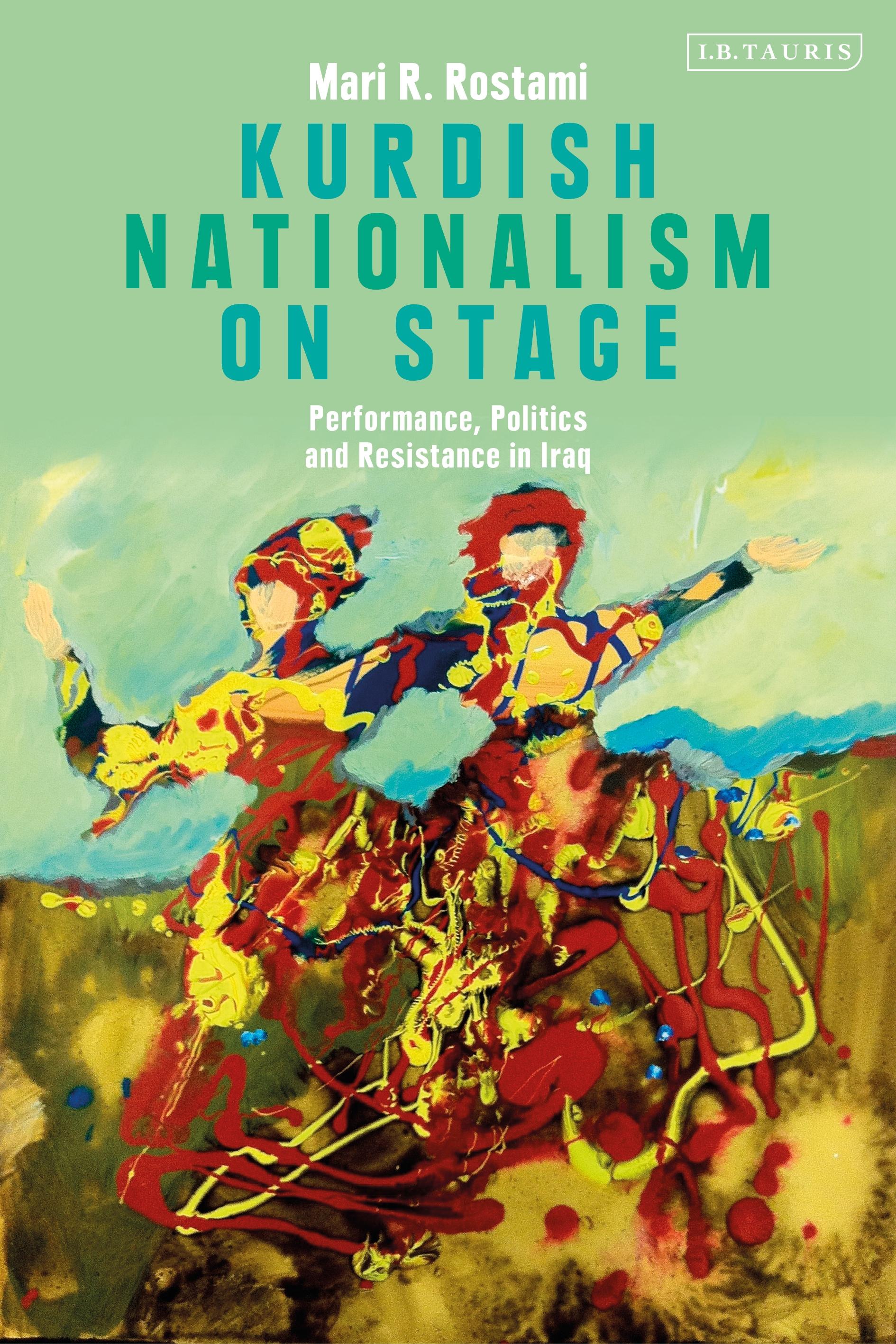
Since its emergence in the 1920s, Iraqi-Kurdish theatre was used as a tool of national identity building and modernisation. It promoted literacy, education and women's rights and became one of the most visible forms of Kurdish cultural nationalism by exploring folklore, myths, legends and local history and by celebrating heroes of the past. As time went on, by staging anti-feudalist and anti-monarchist plays, theatre became engaged in representing and legitimising the wider political movement in Iraq that ultimately led to the overthrow of the monarchy in 1958. Between 1975-1991, even under strict censorship during the Baath rule, Kurdish theatre continued to promote Kurdish nationalism and resistance through the use of Kurdish folk culture and literature. This book is based on dramatic texts from the period, interviews with Kurdish theatre artists, Kurdish theatre histories, historical documents, and journalistic accounts. It illustrates the ways in which theatre participated in the Kurdish national struggle and how it responded to political changes in different historical periods. It is the first book dedicated to Kurdish theatre and complements the latest research that examines theatre in its wider socio-political context.
Sider: 264
Kategori: Kultur-, Genus- & Postkoloniala studier
e-ISBN: 9781788318693
Forsendelsesvægt: 1.2 kg
Sendes inden for: 1-2 dage
Betal nemt med kort, Klarna, Apple Pay eller Google Pay. Ikke tilfreds? Du har altid 14 dages fortrydelsesret. Læs mere i vores vilkår. Har du spørgsmål, så send os en mail på hello@memmo.org.
Memmo gør det nemmere at studere – uanset hvor du er i verden. Hos os samler du dine kursusbøger og smarte studieværktøjer ét sted: resuméer, quizzer, podcasts og flashcards. Og så er der Ted, din studieven, der svarer på alt, du undrer dig over. Over 50 000 studerende studerer allerede her – bygget til at hjælpe dig med at lære hurtigere og stresse mindre.