
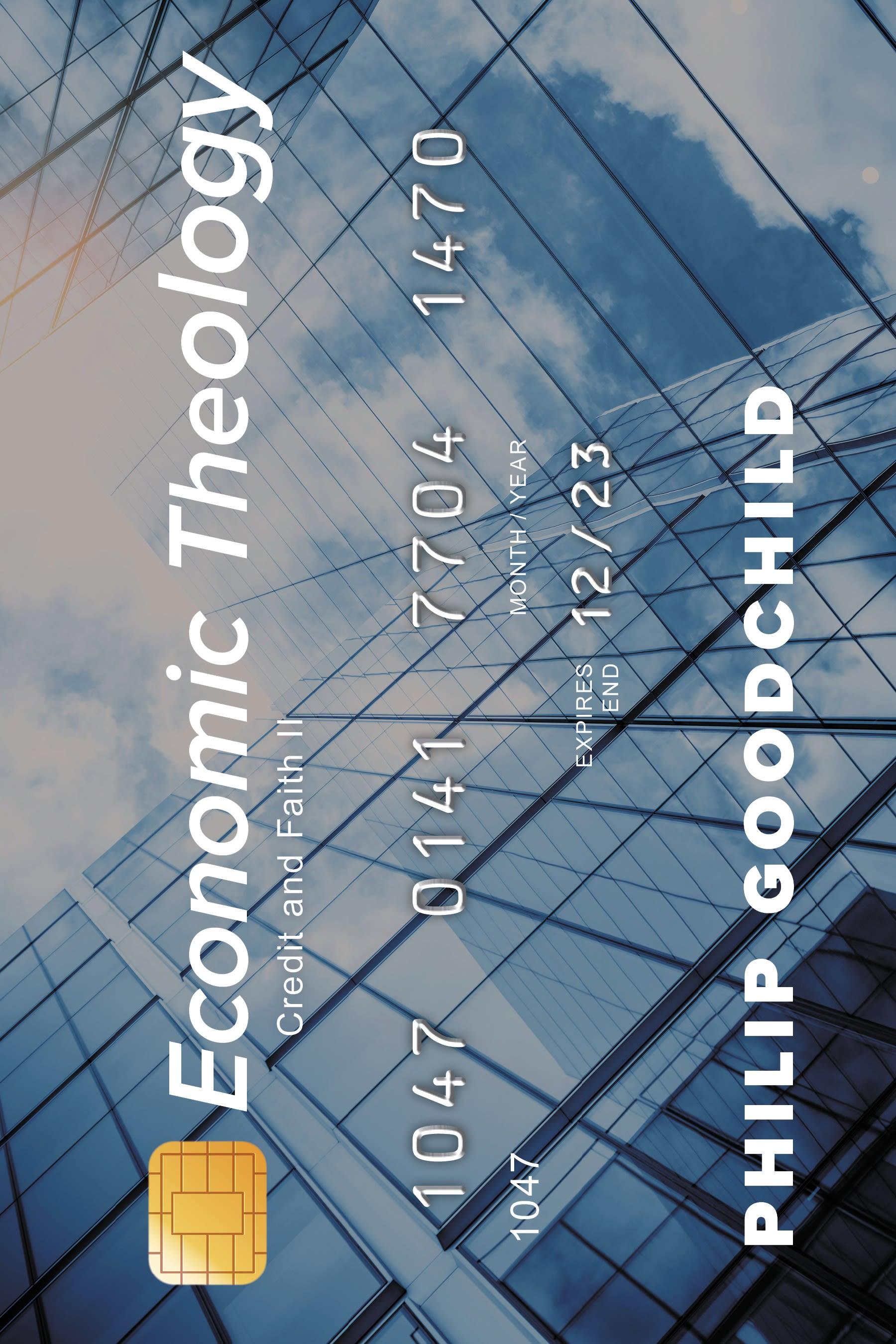
In Economic Theology, Goodchild offers a philosophical analysis of the contemporary economy in terms of the way it structures credit and faith. The Great Financial Crisis of 2007 and onwards has exposed the extent to which the economy functions as a network of credits and debts. Credit and debt may now be understood as the driving force of economic behaviour.
In this analysis, economic theories of markets and money are also ways of ordering trust. Similarly, the institutions of money, finance and banking provide the framework enabling trust and cooperation. Goodchild explores how reliance on such theories and institutions produces disequilibrium dynamics, growing inequalities, increasing enclosure, resource depletion and breakdown. Nevertheless, the failures of the system only intensify efforts to extend the system itself.
Building on and extending Goodchild’s Theology of Money, the author exposes the extent to which humanity has become enslaved within theories and institutions of its own making. As the second volume in his Credit and Faith trilogy, Goodchild explains how the economy itself is a way of shaping time and attention, care and evaluation, trust and cooperation, so directly assuming a theological role. This volume extends the theological critique of the dynamics of financial capitalism.
In this analysis, economic theories of markets and money are also ways of ordering trust. Similarly, the institutions of money, finance and banking provide the framework enabling trust and cooperation. Goodchild explores how reliance on such theories and institutions produces disequilibrium dynamics, growing inequalities, increasing enclosure, resource depletion and breakdown. Nevertheless, the failures of the system only intensify efforts to extend the system itself.
Building on and extending Goodchild’s Theology of Money, the author exposes the extent to which humanity has become enslaved within theories and institutions of its own making. As the second volume in his Credit and Faith trilogy, Goodchild explains how the economy itself is a way of shaping time and attention, care and evaluation, trust and cooperation, so directly assuming a theological role. This volume extends the theological critique of the dynamics of financial capitalism.
Betal nemt med kort, Klarna, Apple Pay eller Google Pay. Ikke tilfreds? Du har altid 14 dages fortrydelsesret. Læs mere i vores vilkår. Har du spørgsmål, så send os en mail på hello@memmo.org.
Memmo gør det nemmere at studere – uanset hvor du er i verden. Hos os samler du dine kursusbøger og smarte studieværktøjer ét sted: resuméer, quizzer, podcasts og flashcards. Og så er der Ted, din studieven, der svarer på alt, du undrer dig over. Over 50 000 studerende studerer allerede her – bygget til at hjælpe dig med at lære hurtigere og stresse mindre.