
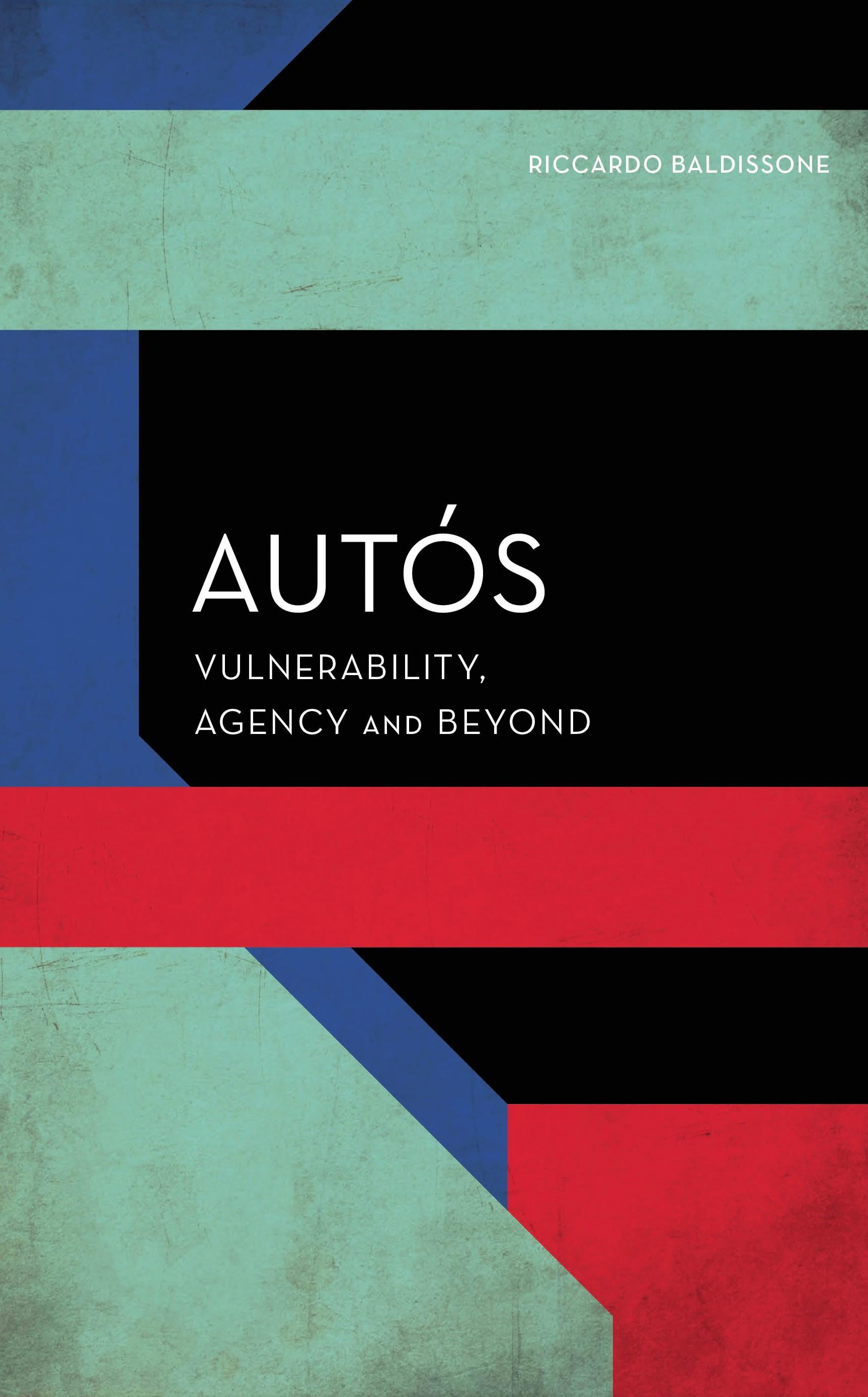
Are we doomed to construct reality with the language of being and individuality? Autós shows a different perspective by reconsidering the European textual production of individuals. Its narration progresses in reverse chronological order to escape teleology: it goes from the modern atomized and self-sufficient subject to her immediate precursor, namely, the isolated faithful of Reformation theology, and to the amazing proliferation of medieval bodies, after the Late Antique narrow individuation of the Christian persona. Roman law mostly escapes the latter’s definitional approach, which first appears in Greek speculation: here, the vocabulary of being and identity takes shape, as exemplified by the new Platonic deployment of the word autós, which has both the sense of ‘same’ and ‘self.’ The Homeric epic instead shows us a discursive regime that precedes the invention of body, mind, being, and self. Taking further old and new examples, the book seeks to provincialize the technologies of the self through a new vocabulary of incorporation, whose sphere of action is not the being of entities, but the performing of practices.
Betal nemt med kort, Klarna, Apple Pay eller Google Pay. Ikke tilfreds? Du har altid 14 dages fortrydelsesret. Læs mere i vores vilkår. Har du spørgsmål, så send os en mail på hello@memmo.org.
Memmo gør det nemmere at studere – uanset hvor du er i verden. Hos os samler du dine kursusbøger og smarte studieværktøjer ét sted: resuméer, quizzer, podcasts og flashcards. Og så er der Ted, din studieven, der svarer på alt, du undrer dig over. Over 50 000 studerende studerer allerede her – bygget til at hjælpe dig med at lære hurtigere og stresse mindre.