
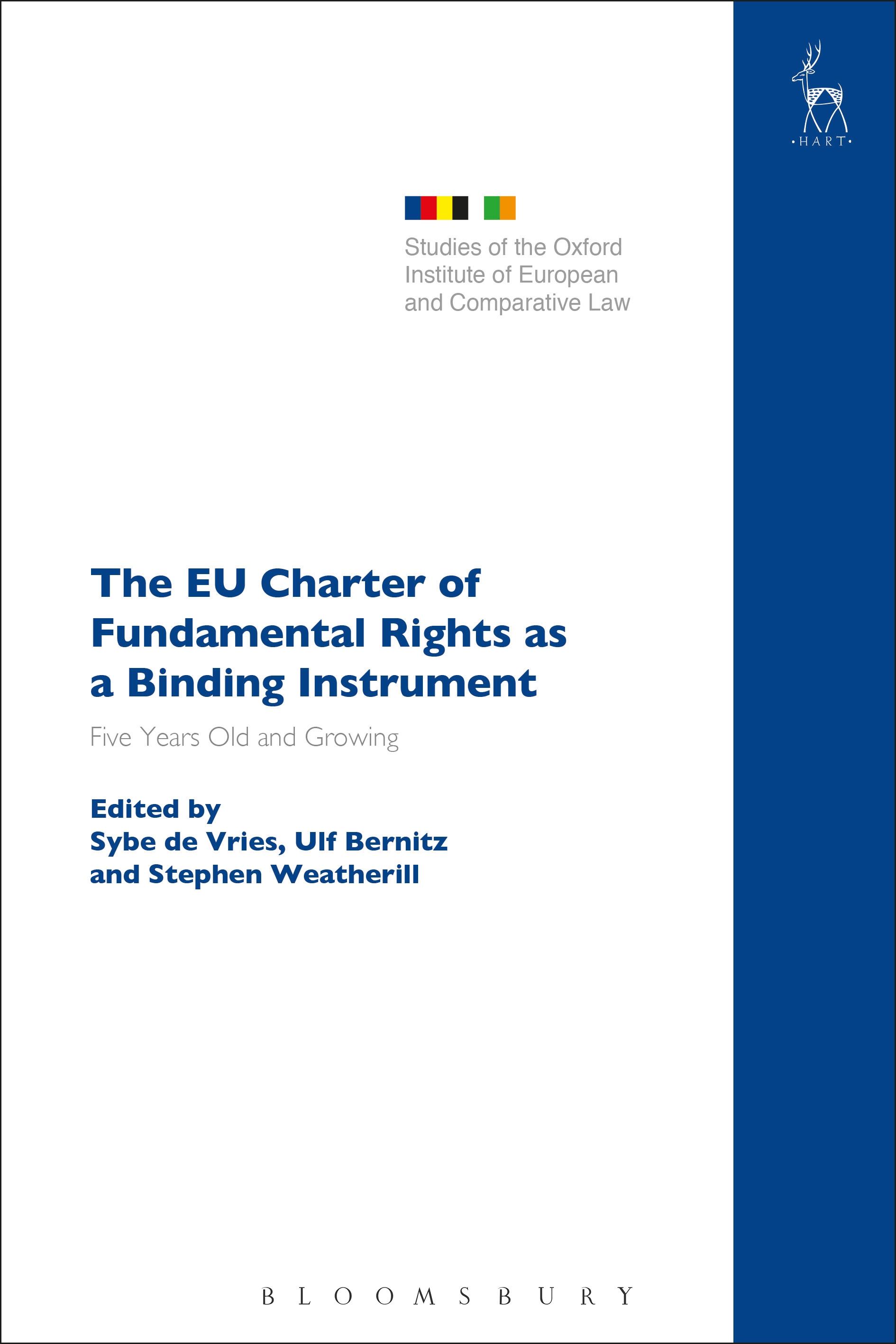
The entry into force of the Treaty of Lisbon in 2009 caused the EU's Charter of Fundamental Rights to be granted binding effect. This raised a host of intriguing questions. Would this transform the EU's commitment to fundamental rights? Should it transform that commitment? How, if at all, can we balance competing rights and principles? (The interaction of the social and the economic spheres offers a particular challenge). How deeply does the EU conception of fundamental rights reach into and bind national law and practice? How deeply does it affect private parties? How much flexibility has been left to the Court in making these interpretative choices? What is the likely effect of another of the reforms achieved by the Lisbon Treaty, the commitment of the EU to accede to the ECHR? This book addresses all of these questions in the light of five years of practice under the Charter as a binding instrument.
Betal nemt med kort, Klarna, Apple Pay eller Google Pay. Ikke tilfreds? Du har altid 14 dages fortrydelsesret. Læs mere i vores vilkår. Har du spørgsmål, så send os en mail på hello@memmo.org.
Memmo gør det nemmere at studere – uanset hvor du er i verden. Hos os samler du dine kursusbøger og smarte studieværktøjer ét sted: resuméer, quizzer, podcasts og flashcards. Og så er der Ted, din studieven, der svarer på alt, du undrer dig over. Over 50 000 studerende studerer allerede her – bygget til at hjælpe dig med at lære hurtigere og stresse mindre.